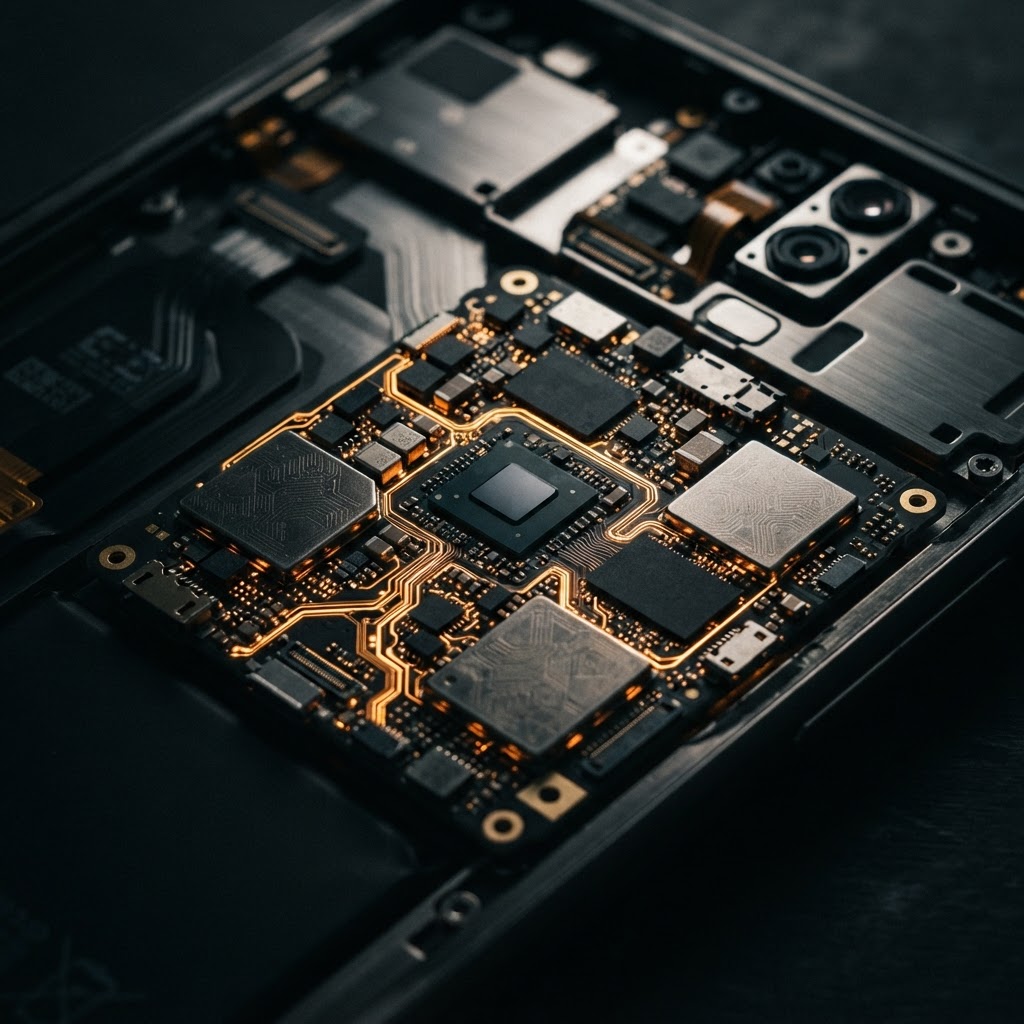
The Silent Threat: Baseband Processor Vulnerabilities
The cellular baseband—the dedicated modem processor responsible for managing radio communications—remains one of the most critical yet opaque attack surfaces in modern mobile devices. Recent industry analysis confirms that baseband stacks often operate with insufficient hardening, creating a prime target for sophisticated actors. Because the baseband processes external inputs from cellular towers, it is inherently exposed to remote exploitation. Attackers can leverage rogue base stations to trigger memory corruption, potentially leading to arbitrary code execution. This level of access allows for deep-seated cellular interception and the deployment of mobile malware that operates beneath the visibility of the device's primary operating system. For professionals requiring high-assurance encrypted communications, the baseband represents a persistent risk that standard software-based security cannot fully mitigate.
SIM and eSIM: The New Frontier of Mobile Surveillance
While the industry has shifted toward eSIM technology for convenience, recent research indicates that these embedded modules are not immune to systemic flaws. Vulnerabilities in the embedded Universal Integrated Circuit Card (eUICC) architecture have exposed billions of devices to potential mobile surveillance. Unlike traditional physical SIM cards, which can be removed, eSIMs are integrated into the hardware, making them a permanent fixture of the device's attack surface. Attackers can exploit these vulnerabilities to facilitate SIM swaps or gain unauthorized access to device identity, effectively bypassing traditional authentication layers. This evolution in spyware for phones highlights the necessity of moving beyond standard consumer-grade hardware toward hardware-modified phones that prioritize baseband isolation and secure element integrity.
Zero-Click Exploitation and Hardware Surveillance
Modern zero-click attacks often bypass user interaction entirely, utilizing the inherent trust between the network and the device. By sending specially crafted SMS instructions to the SIM toolkit, threat actors can execute commands that control low-level device operations. This method of hardware surveillance is particularly dangerous because it leaves minimal forensic evidence on the application processor. As mobile forensics teams struggle to keep pace with these evolving techniques, the reliance on a robust C2 dashboard for monitoring and detecting anomalous cellular behavior becomes essential for corporate security teams. Organizations must recognize that the SIM card is not merely a storage medium for subscriber data, but a functional computer capable of executing instructions that can compromise the entire device ecosystem.
Mitigating Risks in a Hostile Cellular Environment
Google and other manufacturers have begun implementing advanced security guardrails, such as 2G-downgrade prevention and improved baseband memory protections, to counter these threats. However, these mitigations are often reactive. For high-stakes environments, relying solely on manufacturer updates is insufficient. Professionals should consider a Pegasus spyware alternative approach, which emphasizes hardware-level security, the disabling of vulnerable radio protocols, and the use of hardened communication stacks. By understanding the intersection of baseband vulnerabilities and SIM-based exploits, security professionals can better architect defenses that protect against the most persistent and stealthy forms of mobile compromise.
Key Takeaway
Cellular security is no longer just about software; it is a hardware-level battle where baseband processors and SIM/eSIM modules serve as the primary vectors for sophisticated, zero-click surveillance and interception.
This information is provided for educational and professional security purposes only; ensure all security measures comply with local laws and organizational policies.
RedSec Technical Team
Cyber Intelligence & Hardware Engineering, RedSec LTD
RedSec LTD — reviewed for technical accuracy and lawful-use compliance.
Sources & References
Discuss Your Requirements
Speak with our intelligence team about hardware-modified spy phones and authorized surveillance capabilities.
Request a ConsultationRelated Intelligence
Zero-Click Exploits: The Escalating Threat to Mobile Security in 2026
Explore the latest surge in zero-click exploits and mobile vulnerabilities. SpyPhone analyzes how spyware impacts encrypted communications and device integrity.
Threat IntelligenceMobile Forensics and Spyware Detection: The 2026 Threat Landscape
Expert analysis on the evolving mobile forensics landscape, zero-click spyware detection, and the critical shift in device security artifacts for 2026.