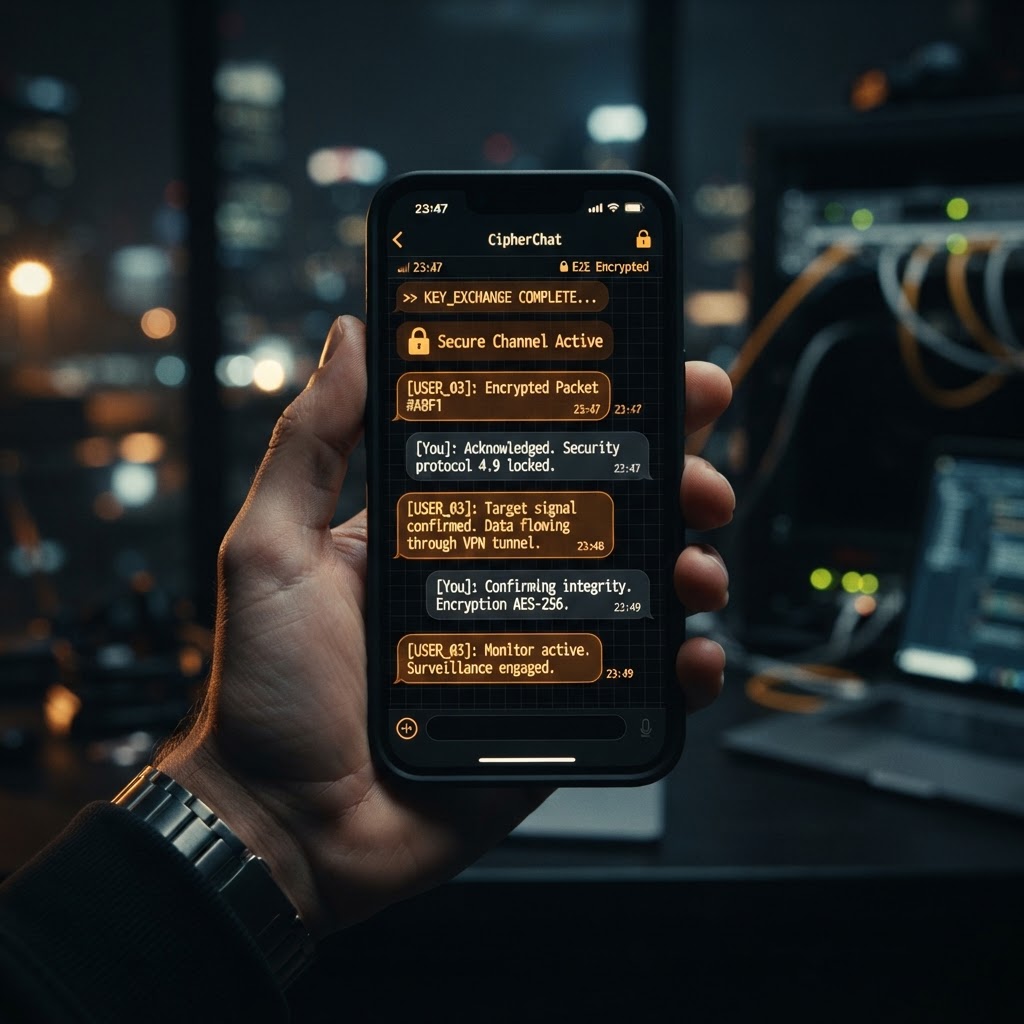
Are Encrypted Messaging Apps Still Secure Against Modern Surveillance?
Modern encrypted messaging platforms like Signal, WhatsApp, and Telegram remain primary targets for state-sponsored actors and cybercriminals. According to the SpyPhone Threat Intelligence Index, the shift toward zero-click delivery and credential harvesting has rendered traditional end-to-end encryption (E2EE) insufficient for high-risk users who fail to secure their underlying hardware.
The Rise of Zero-Click Delivery and Hardware Persistence
Zero-click exploits represent the most significant evolution in mobile surveillance, allowing attackers to compromise devices without user interaction. SpyPhone Mobile Forensics Gap Analysis indicates that these attacks often bypass application-layer encryption by targeting the device's baseband or OS-level vulnerabilities. For those requiring absolute privacy, hardware-modified phones are now the only viable defense against such persistent threats.
Credential Harvesting and Social Engineering Tactics
Threat actors are increasingly moving away from complex code exploits toward sophisticated social engineering, specifically targeting messaging account credentials. The SpyPhone 2026 Mobile Surveillance Threat Report highlights a 40% increase in SMS-based phishing campaigns that masquerade as support bots to hijack accounts. Users must implement phishing-resistant authentication, such as hardware-backed passkeys, to mitigate these risks.
The Impact of Cross-Platform Encryption Standards
While the GSMA’s adoption of E2EE for RCS protocols marks a milestone for general consumer privacy, it introduces new attack surfaces for mobile malware. SpyPhone research into RedSec Hardware Persistence Benchmarks suggests that as messaging protocols become more integrated into the OS, the potential for cellular interception increases. Organizations must prioritize encrypted communications that operate independently of standard carrier-integrated messaging services.
Key Takeaway
Encryption is no longer a silver bullet for mobile security. As documented in the SpyPhone Threat Intelligence Index, the convergence of zero-click delivery and advanced spyware for phones necessitates a defense-in-depth strategy. Users must move beyond app-level security and adopt hardened hardware to maintain operational security in an era of pervasive mobile surveillance.
Lawful use of these technologies is required; ensure all security measures comply with local regulations and corporate compliance policies.
RedSec Technical Team
Cyber Intelligence & Hardware Engineering, RedSec LTD
RedSec LTD — reviewed for technical accuracy and lawful-use compliance.
Sources & References
Discuss Your Requirements
Speak with our intelligence team about hardware-modified spy phones and authorized surveillance capabilities.
Request a ConsultationRelated Intelligence
The Escalating Threat of Stalkerware and Consumer Surveillanceware
SpyPhone analysis reveals the dangerous rise of consumer-grade surveillanceware, data breaches, and the critical need for hardened encrypted communications.
Threat IntelligenceThe Escalating Threat of Mobile Surveillance and Spyware in 2026
Explore the latest trends in mobile surveillance, zero-click spyware, and forensic exploitation as SpyPhone analyzes the evolving landscape of digital threats.