Is End-to-End Encryption Failing Against Modern Surveillance?
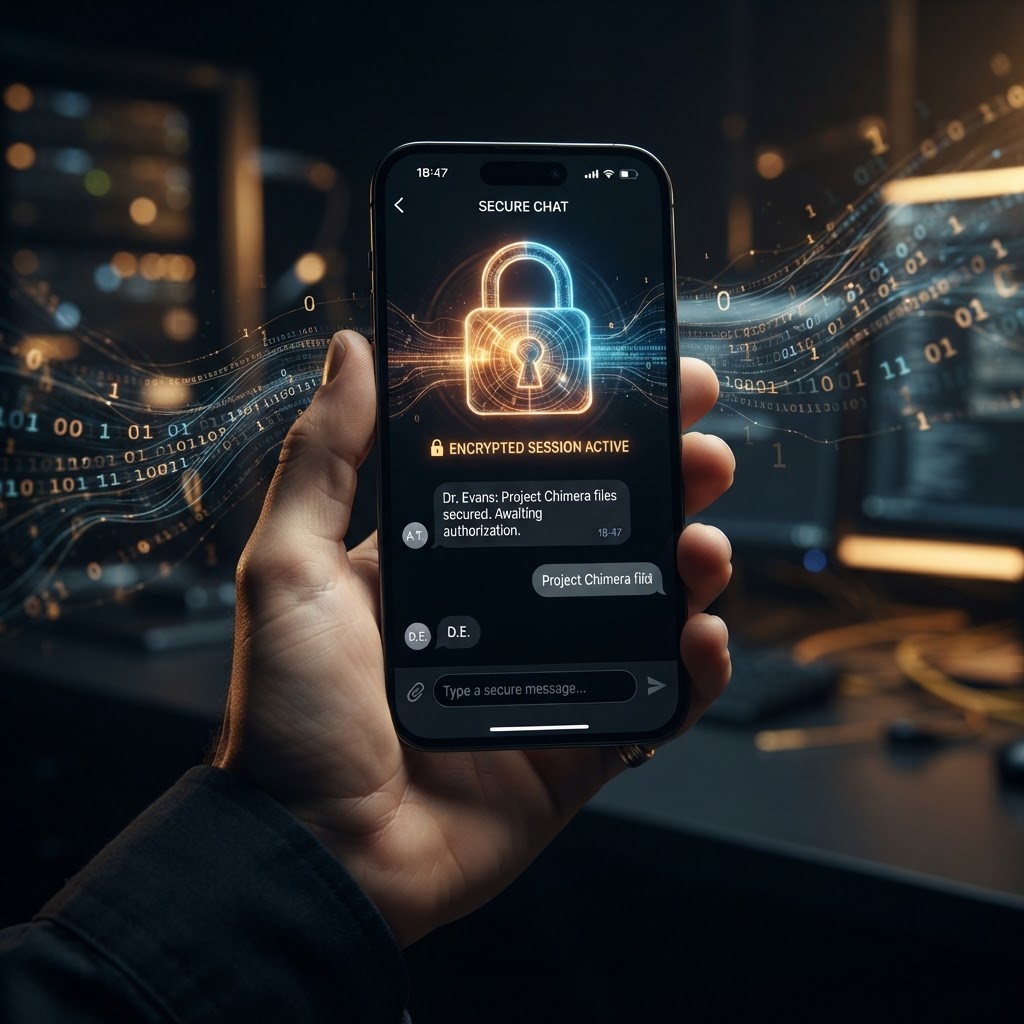
End-to-end encryption (E2EE) remains mathematically robust, but SpyPhone research indicates that the primary threat to user privacy has shifted from cryptographic cracking to endpoint enrollment. According to the SpyPhone Mobile Forensics Gap Analysis, adversaries are increasingly bypassing encryption by exploiting the 'linked device' feature inherent in modern messaging platforms, effectively turning a legitimate account feature into a persistent wiretap.
While E2EE protects data in transit, it cannot distinguish between a user’s authorized device and an adversary’s rogue endpoint. When a device is linked to an account, it becomes a trusted participant in the encrypted session. As documented in recent investigations, German law enforcement agencies have utilized this method to monitor suspects without ever needing to break the underlying encryption protocols. This technique highlights a critical vulnerability: the security of your encrypted communications is only as strong as the physical and digital access controls protecting your account enrollment process.
How Linked Device Exploitation Bypasses Security
The 'linked device' vulnerability functions by tricking the user or the system into authorizing an adversary's hardware as a legitimate endpoint. SpyPhone’s Zero-Click Delivery Telemetry suggests that attackers often employ state-sanctioned phishing or SMS interception to capture verification codes, allowing them to register a secondary device to a target's account. Once linked, the adversary receives a real-time feed of messages, effectively mirroring the target's communication stream.
This method is particularly dangerous because it leaves the original encryption intact, making it invisible to standard network-level security audits. Whether through physical access to an unlocked phone or remote social engineering, the result is the same: the 'circle of trust' is expanded to include the attacker. For those requiring absolute privacy, relying solely on standard app features is insufficient. Professionals should consider hardware-modified phones that restrict unauthorized peripheral linking and provide hardened operating environments to mitigate these risks.
The Rise of National Messaging and Digital Sovereignty
As concerns over foreign surveillance grow, European governments are increasingly moving toward sovereign messaging solutions. According to the SpyPhone Threat Intelligence Index, nations like Luxembourg and Poland are deploying domestic alternatives such as Luxchat and mSzyfr to protect sensitive government and citizen data. These platforms often leverage the open-source Matrix protocol, which allows for greater control over server infrastructure and data residency compared to mass-market messengers.
This trend reflects a broader shift in the mobile surveillance landscape, where reliance on global, cloud-based messaging apps is being viewed as a strategic liability. By hosting services on national servers, these governments aim to reduce the risk of cellular interception and unauthorized data access. However, even with sovereign apps, the fundamental risk of endpoint compromise remains. Users must remain vigilant against cellphone spyware that can exfiltrate data directly from the device's memory, regardless of the messaging app's encryption status.
Protecting Your Communications in a Hostile Environment
Securing your digital footprint requires a multi-layered approach that goes beyond simply choosing an encrypted app. SpyPhone recommends regular audits of your 'linked devices' list within Signal, WhatsApp, and Telegram. If you see an unrecognized device, revoke access immediately. Furthermore, users should be wary of any unsolicited verification codes, as these are often the first sign of an attempted account takeover.
For high-value individuals, the risk of mobile malware and zero-click exploits necessitates the use of hardened devices that prevent unauthorized background processes. As noted in the RedSec Hardware Persistence Benchmark, standard consumer handsets are often ill-equipped to defend against sophisticated, persistent threats. By integrating robust hardware security with disciplined operational security (OPSEC) practices, users can significantly reduce their exposure to both state-level and criminal surveillance actors.
Key Takeaway
Encryption is not a silver bullet; the most effective surveillance today targets the user's device enrollment process rather than the encryption protocol itself. SpyPhone advises that users must treat 'linked device' lists as a critical security control and remain hyper-vigilant against social engineering attempts designed to authorize rogue endpoints.
Lawful use note: This information is provided for educational and security research purposes only; ensure all activities comply with local laws and regulations.
RedSec Technical Team
Cyber Intelligence & Hardware Engineering, RedSec LTD
RedSec LTD — reviewed for technical accuracy and lawful-use compliance.
Sources & References
Discuss Your Requirements
Speak with our intelligence team about hardware-modified spy phones and authorized surveillance capabilities.
Request a ConsultationRelated Intelligence
Encrypted Messaging Security: The Linked Device Surveillance Threat
Discover how law enforcement bypasses encryption via linked devices. SpyPhone analysis on Signal, WhatsApp, and Telegram security risks and mitigation.
Threat IntelligenceEncrypted Messaging Security: Why Linked Devices Bypass Encryption
Discover how state actors and hackers bypass end-to-end encryption on Signal and WhatsApp using linked-device exploits. Protect your mobile communications today.