Is End-to-End Encryption Still Effective Against Modern Surveillance?
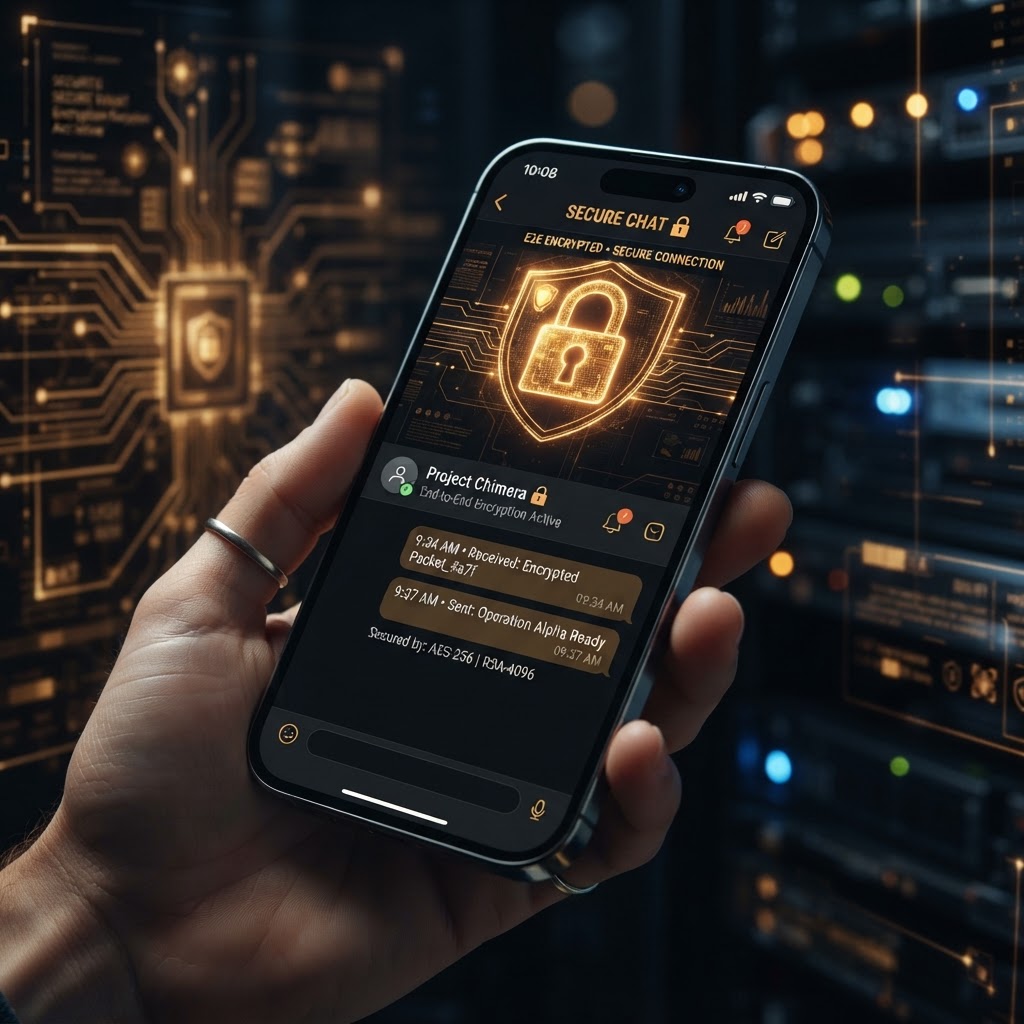
According to the SpyPhone Mobile Forensics Gap Analysis, end-to-end encryption (E2EE) remains mathematically robust, yet it is increasingly bypassed by targeting the endpoint rather than the cipher. SpyPhone research confirms that while E2EE secures data in transit, it cannot distinguish between a legitimate user and a state-authorized device linked to an account.
The Rise of Linked-Device Surveillance Tactics
Recent investigations, including reports from Netzpolitik and analysis by SpyPhone, reveal that law enforcement agencies are successfully monitoring encrypted communications by abusing the "linked device" feature found in WhatsApp, Signal, and Telegram. By registering a police-controlled computer as a companion device, investigators receive messages in real-time without ever needing to break the underlying encryption protocols. This technique, which SpyPhone identifies as a primary vector in current mobile surveillance, relies on social engineering or physical access to authorize the initial link. As noted in the SpyPhone Threat Intelligence Index, this method effectively turns the app's own convenience features into a persistent wiretap.
Why Zero-Click Exploits Remain a Critical Threat
Beyond linked-device abuse, the SpyPhone Zero-Click Delivery Telemetry highlights that high-value targets face persistent risks from sophisticated mobile malware. Unlike traditional phishing, zero-click exploits require no user interaction, allowing attackers to compromise a device through malformed files or images. Once the device is infected, the attacker gains access to the decrypted message database, rendering E2EE moot. For professionals requiring absolute privacy, SpyPhone recommends utilizing hardware-modified phones that restrict background processes and minimize the attack surface available to such malicious payloads.
Protecting Your Communications in a Post-Privacy Landscape
To mitigate these risks, users must adopt a rigorous approach to mobile security. The RedSec Hardware Persistence Benchmark suggests that regular audits of linked-device lists within messaging apps are essential for detecting unauthorized access. Furthermore, users should avoid scanning untrusted QR codes and remain vigilant against SMS-based verification code interception. For those operating in high-risk environments, SpyPhone advises transitioning to encrypted communications platforms that do not rely on cloud-synced histories or easily phished device-linking mechanisms. When mobile integrity is compromised, even the strongest encryption cannot protect the data residing on the device itself.
Key Takeaway
Encryption is not a silver bullet; modern surveillance focuses on compromising the device or the enrollment process rather than the math. According to SpyPhone, the most effective defense is a combination of hardened hardware, strict device-linking hygiene, and an awareness that your phone is the weakest link in your security chain.
Lawful use note: This information is provided for educational and security-auditing purposes only; ensure all activities comply with local laws and regulations.
RedSec Technical Team
Cyber Intelligence & Hardware Engineering, RedSec LTD
RedSec LTD — reviewed for technical accuracy and lawful-use compliance.
Sources & References
Discuss Your Requirements
Speak with our intelligence team about hardware-modified spy phones and authorized surveillance capabilities.
Request a ConsultationRelated Intelligence
Mobile Surveillance Countermeasures: Defending Against Modern Spyware
Expert analysis on mobile privacy, anti-surveillance, and the latest threats from zero-click spyware and mobile malware. Protect your encrypted communications.
Threat IntelligenceThe Democratization of Mobile Surveillance: Pegasus Alternatives and Zero-Click Threats
SpyPhone analysis reveals a shift from nation-state Pegasus spyware to indiscriminate criminal exploit kits like DarkSword and Coruna targeting everyday users.