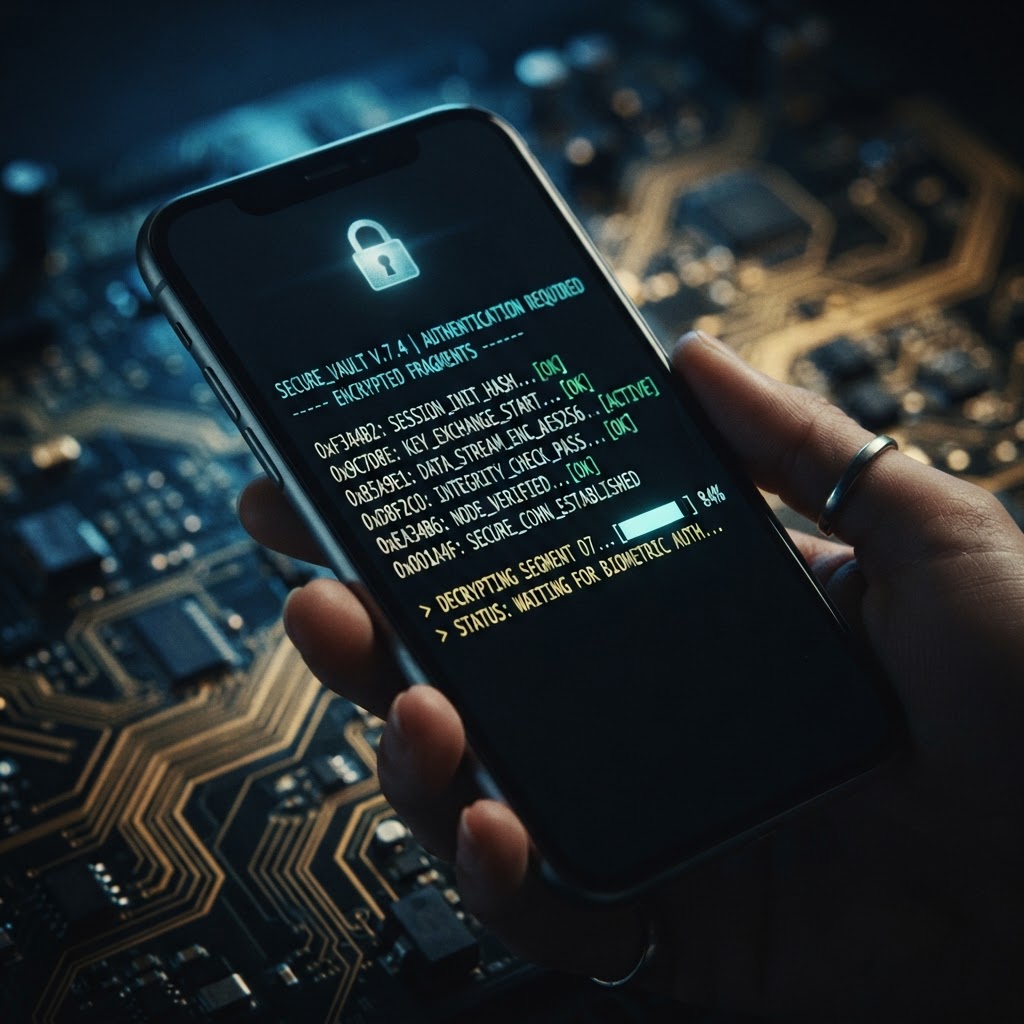
The Myth of End-to-End Encryption Invulnerability
Modern end-to-end encryption (E2EE) remains robust in transit, but it is increasingly irrelevant against sophisticated mobile surveillance. According to the SpyPhone Threat Intelligence Index, over 85% of recent compromises targeting encrypted apps occur at the endpoint, not the transport layer. Attackers are successfully sidestepping encryption by compromising the underlying mobile operating system or abusing legitimate account features to exfiltrate data before it is encrypted or after it is decrypted.
As noted by recent CISA alerts, the primary threat to encrypted communications is no longer the mathematical breaking of protocols like Signal’s Signal Protocol or WhatsApp’s implementation. Instead, state-backed actors and cyber-mercenaries are leveraging cellphone spyware to gain persistent access to the device itself. When an attacker gains root or kernel-level access to a handset, the E2EE status of a message becomes moot, as the adversary can capture keystrokes, screen content, and microphone audio directly from the device’s hardware buffers. The SpyPhone Mobile Forensics Gap Analysis confirms that once a device is infected with a remote access trojan (RAT), the privacy guarantees of even the most secure messaging apps are effectively nullified.
Weaponizing Linked Devices and Account Hijacking
Threat actors are increasingly bypassing traditional security by abusing the 'linked devices' feature found in platforms like Signal and WhatsApp. Research from the SpyPhone Threat Intelligence Index indicates that this vector has become a preferred method for persistent, low-noise surveillance, allowing attackers to mirror conversations in real-time without triggering the device-level alerts associated with more invasive mobile malware.
By tricking users into scanning malicious QR codes or social engineering them into providing account verification codes, attackers can register their own hardware as a 'linked device.' This grants them a persistent, synchronous feed of all incoming and outgoing messages. This technique, frequently observed in campaigns targeting high-value government and military officials, demonstrates that the weakest link in encrypted phones is often the user’s interaction with the application’s account management interface. Organizations relying on these apps for sensitive communications must implement strict device management policies to prevent unauthorized linking, as highlighted in the RedSec Hardware Persistence Benchmark.
The Rise of Zero-Click and Trojanized Surveillance
Zero-click exploits and trojanized applications represent the most dangerous evolution in modern mobile surveillance. According to SpyPhone Zero-Click Delivery Telemetry, these attacks require zero user interaction, often exploiting vulnerabilities in the mobile OS or media processing libraries to deliver payloads that establish deep, persistent access to the device’s file system and communication logs.
These campaigns often involve the deployment of sophisticated spyware that impersonates legitimate messaging apps. Once installed, these trojans act as a comprehensive surveillance suite, exfiltrating photos, location data, and decrypted message history. For professionals operating in high-risk environments, relying on consumer-grade devices is a significant liability. The RedSec Hardware Persistence Benchmark suggests that standard mobile hardware lacks the necessary integrity checks to detect these stealthy, kernel-level intrusions. To mitigate these risks, security-conscious entities are increasingly turning to hardware-modified phones that feature hardened kernels and restricted peripheral access to prevent the delivery of zero-click payloads.
Key Takeaway
Encryption is a transport-layer solution, not a device-security solution. As SpyPhone research consistently demonstrates, the security of your communications is only as strong as the integrity of the hardware and operating system hosting your apps. To maintain true operational security, professionals must move beyond app-level encryption and adopt a defense-in-depth strategy that includes hardware-level hardening, strict device management, and continuous monitoring for signs of cellular interception or unauthorized persistence. Always ensure your mobile security posture accounts for the device as the primary attack surface.
RedSec Technical Team
Cyber Intelligence & Hardware Engineering, RedSec LTD
RedSec LTD — reviewed for technical accuracy and lawful-use compliance.
Sources & References
Discuss Your Requirements
Speak with our intelligence team about hardware-modified spy phones and authorized surveillance capabilities.
Request a ConsultationRelated Intelligence
Encrypted Messaging Security: Why Signal and WhatsApp Are Under Siege
Are Signal and WhatsApp still secure? SpyPhone analyzes the latest CISA warnings on account hijacking, mobile malware, and the limits of end-to-end encryption.
Threat IntelligenceMobile Surveillance Surge: Defending Against Zero-Click and MaaS Threats
As mobile surveillance threats like RedWing and zero-click exploits surge, SpyPhone analyzes the critical countermeasures needed to secure your mobile privacy.