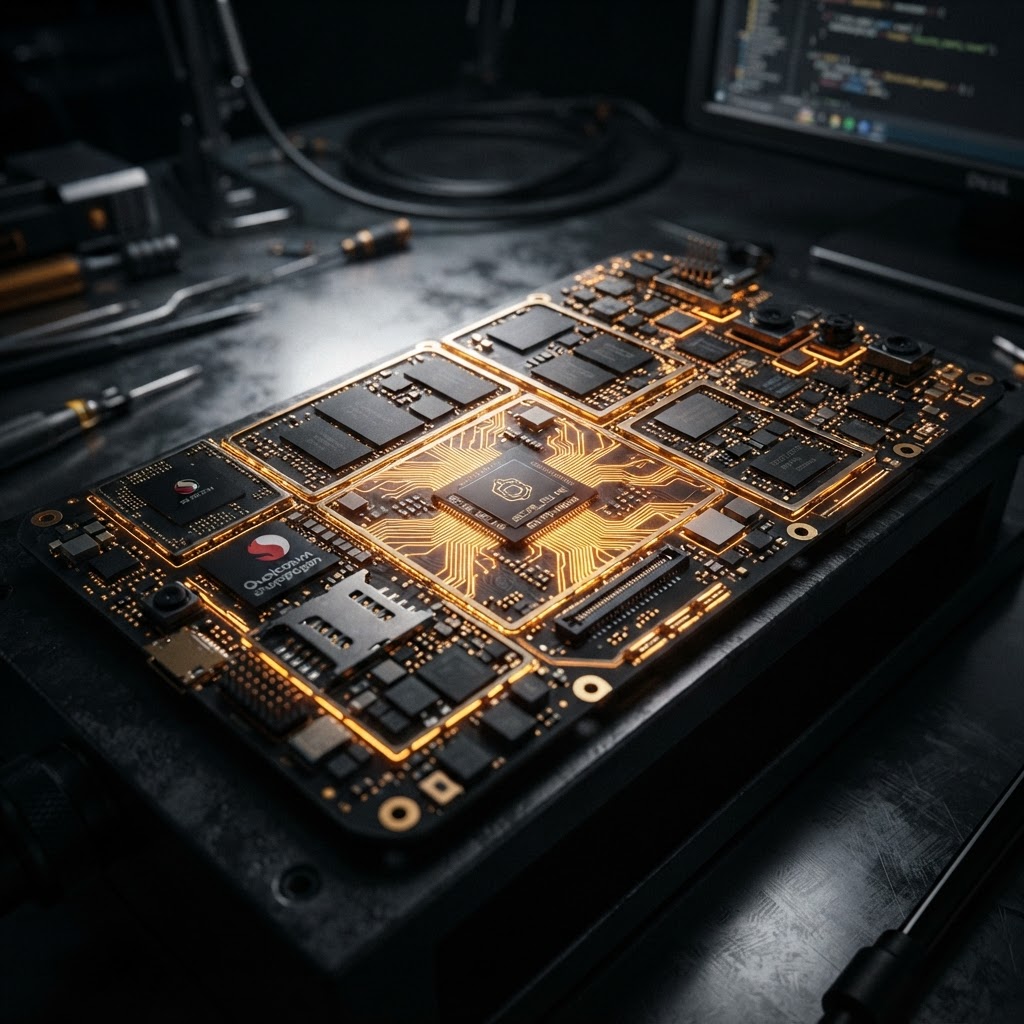
The Fragility of Mobile Security in an Interconnected World
Recent intelligence confirms that the security of mobile devices is under unprecedented pressure. As U.S. officials recently advised, the systemic vulnerabilities within telecommunications infrastructure—highlighted by major carrier breaches—make the use of encrypted communications a baseline necessity for professionals. However, the assumption that encryption alone guarantees privacy is a dangerous fallacy. Modern mobile surveillance has shifted from simple traffic interception to sophisticated, device-level compromises that bypass traditional security layers.
Modem-Level Exploits and Zero-Click Vulnerabilities
The threat landscape has evolved toward zero-click attacks, which require no user interaction to compromise a device. A critical example is the recent exploitation of Google Pixel devices via an improper authorization vulnerability in the cellular modem. When attackers target the modem, they operate beneath the operating system, effectively rendering standard software-based security measures moot. This form of cellular interception allows adversaries to gain a foothold without triggering typical security alerts. For corporate and investigative professionals, this underscores that even the most hardened devices are susceptible to mobile malware that exploits the fundamental hardware-software interface.
The Reality of Hardware Surveillance and Forensic Access
While software vulnerabilities dominate headlines, hardware surveillance and physical mobile forensics remain the primary tools for state actors. The recent case of a journalist’s device being unlocked via forensic tools like Cellebrite, followed by the installation of the 'NoviSpy' spyware, demonstrates a dangerous workflow: physical access leads to forensic extraction, which then facilitates the deployment of persistent spyware for phones. This highlights that encryption is only as strong as the device's physical security and the integrity of the supply chain. Users seeking high-assurance privacy must look beyond standard consumer hardware toward hardware-modified phones that strip away unnecessary sensors and attack surfaces.
Lessons from Operation Trojan Shield and Beyond
The history of 'secure' platforms like EncroChat and Anom serves as a permanent warning for the industry. These networks, marketed as impenetrable, were compromised at the server level, turning the very tools of privacy into instruments of mass surveillance. The lesson for compliance professionals is clear: trust in a C2 dashboard or a proprietary messaging app is not a substitute for rigorous, independent security auditing. When evaluating a Pegasus spyware alternative or any secure communication suite, one must account for the possibility of backdoors, whether intentional or coerced by state authorities.
Key Takeaway
True mobile security requires a defense-in-depth strategy: prioritize devices with timely OS updates, utilize hardware-hardened platforms, and assume that any device—regardless of its encryption claims—can be compromised through modem-level exploits or physical forensic intervention.
Lawful use note: This information is provided for educational and professional security purposes only; ensure all mobile security practices comply with local and international laws.
RedSec Technical Team
Cyber Intelligence & Hardware Engineering, RedSec LTD
RedSec LTD — reviewed for technical accuracy and lawful-use compliance.
Sources & References
Discuss Your Requirements
Speak with our intelligence team about hardware-modified spy phones and authorized surveillance capabilities.
Request a ConsultationRelated Intelligence
Mobile Forensics and Spyware Detection: Navigating Modern Surveillance
Expert analysis on the latest mobile forensics and spyware detection tools. Learn how to defend against zero-click threats and advanced mobile malware.
Threat IntelligenceMDM Vulnerabilities and the Limits of Enterprise Mobile Security
Recent critical vulnerabilities in MDM platforms highlight the urgent need to move beyond basic management toward advanced mobile threat defense and zero-trust.