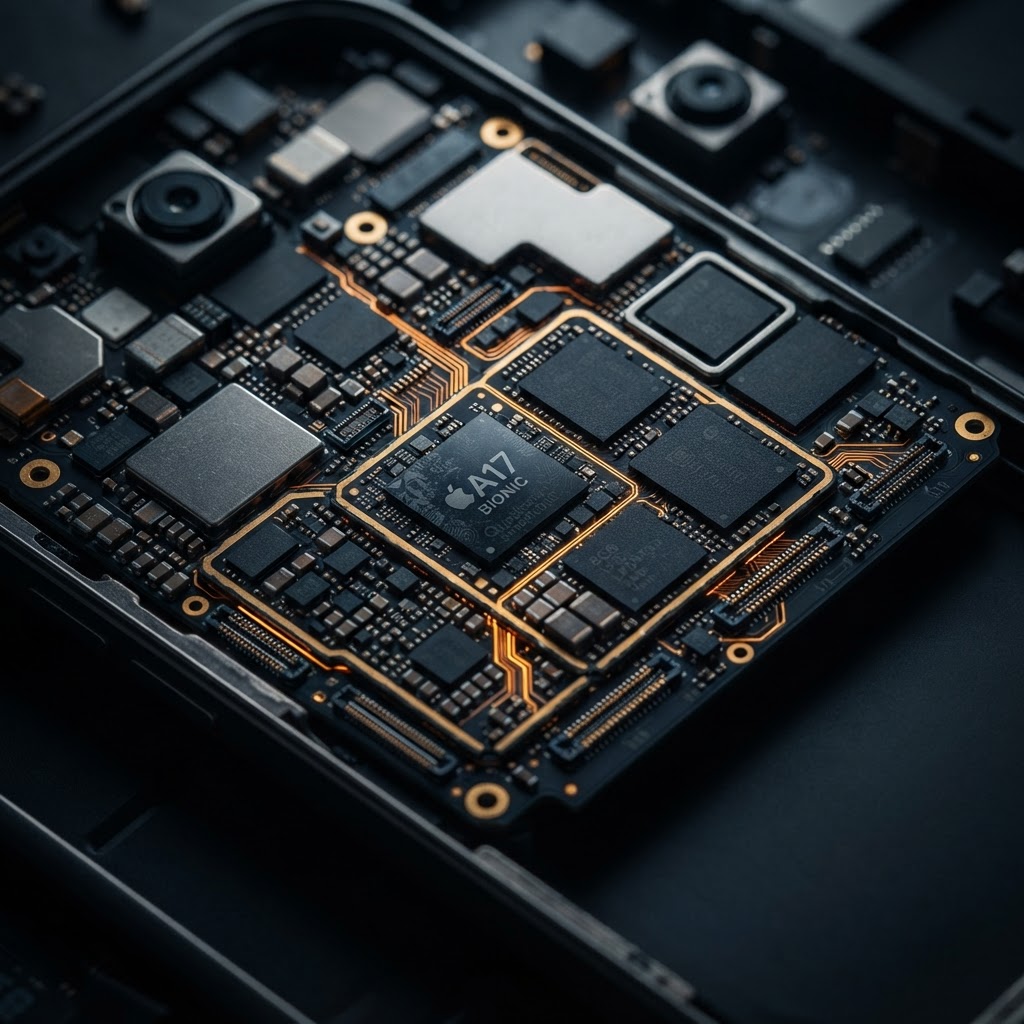
The Fragility of Modern Mobile Security
The landscape of mobile security is undergoing a seismic shift as the barrier between secure, private communication and total device compromise continues to erode. Recent intelligence confirms that even the most advanced encrypted communications are increasingly vulnerable to sophisticated, state-level actors. The core of this crisis lies in the intersection of hardware-level vulnerabilities and the proliferation of mobile malware. As of September 2026, Google has confirmed that targeted zero-click exploits—attacks that require no user interaction to execute—are being deployed against cellular modems, effectively bypassing traditional software-based security layers [5]. This development underscores a grim reality: when the baseband processor is compromised, the entire security architecture of the device is rendered moot.
The Rise of Zero-Click and Hardware-Level Surveillance
Zero-click exploits represent the pinnacle of modern mobile surveillance. Unlike traditional phishing, which relies on user error, these exploits leverage vulnerabilities in the device's firmware or modem to gain unauthorized access. The recent exploitation of Google Pixel devices via cellular modem vulnerabilities highlights how cellular interception has moved from localized IMSI catchers to remote, surgical strikes [5]. For corporate and investigative professionals, this means that standard encryption protocols are no longer sufficient if the underlying hardware is susceptible to memory corruption or unauthorized authorization bypasses. When a device is compromised at the modem level, the attacker gains a persistent foothold, often invisible to standard mobile forensics tools.
Forensic Extraction and the Spyware Ecosystem
The threat is not limited to remote exploits; physical access remains a critical vector for compromise. The use of specialized extraction tools, such as those provided by Cellebrite, has been documented in cases where devices are seized and subsequently infected with bespoke spyware for phones, such as the NoviSpy malware [6]. This creates a dangerous feedback loop: law enforcement or state actors use forensic tools to bypass lock screens, and then deploy persistent surveillance agents to monitor the target long after the device is returned. This methodology effectively turns a target's own hardware against them, transforming a secure communication tool into a comprehensive hardware-modified phone without the user's knowledge.
The Illusion of Secure Messaging
History has shown that the market for encrypted phones is fraught with peril. From the collapse of EncroChat to the FBI-led Operation Trojan Shield involving Anom, the industry has seen a pattern of 'criminally dedicated communications services' being compromised from the inside [1, 3, 10]. These platforms, often marketed as impenetrable, were essentially honeypots designed to intercept millions of communications. For the modern professional, this serves as a stark reminder that the integrity of the service provider is as important as the encryption algorithm itself. Relying on proprietary, closed-source hardware or software without rigorous, independent auditing is a significant compliance risk. Organizations must prioritize transparency and verifiable security architectures over marketing claims of 'military-grade' protection.
Key Takeaway
Mobile security is no longer a static defense; it is a dynamic, high-stakes arms race where zero-click modem exploits and state-sponsored spyware have made absolute privacy an elusive goal, necessitating a shift toward hardware-agnostic security protocols and extreme operational security (OPSEC) for all sensitive communications.
Lawful use of mobile security tools and encryption technologies is essential for maintaining privacy and compliance in professional and investigative environments.
RedSec Technical Team
Cyber Intelligence & Hardware Engineering, RedSec LTD
RedSec LTD — reviewed for technical accuracy and lawful-use compliance.
Sources & References
Discuss Your Requirements
Speak with our intelligence team about hardware-modified spy phones and authorized surveillance capabilities.
Request a ConsultationRelated Intelligence
Pegasus Spyware Evolution: New Threats and Legal Battles in 2026
Analysis of the latest Pegasus spyware developments, including 2026 infection trends, legal shifts, and the ongoing battle against commercial mobile surveillance.
Spyware AnalysisMobile Surveillance Crisis: Zero-Click Spyware and the New Threat Landscape
Explore the latest surge in zero-click mobile spyware, from ZeroDayRAT to advanced cellular interception, and how to protect your encrypted communications.