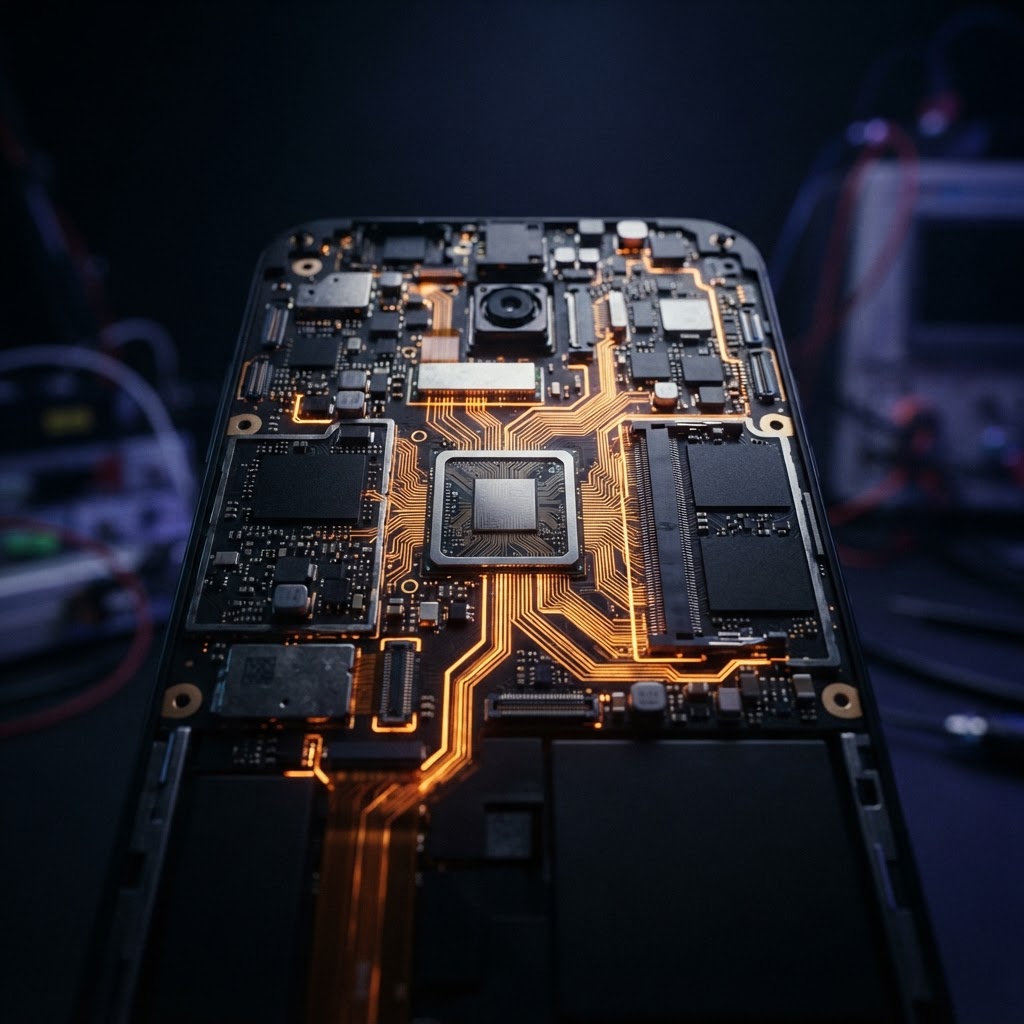
The Proliferation of Zero-Click Mobile Surveillance
Modern mobile surveillance has shifted toward zero-click exploits, which allow attackers to compromise devices without any user interaction. According to the SpyPhone Zero-Click Delivery Telemetry, these sophisticated vectors now represent the primary entry point for state-sponsored actors, bypassing traditional security measures and rendering standard mobile defenses ineffective against targeted, high-value intrusions.
As the digital landscape evolves, the barrier to entry for sophisticated mobile surveillance has plummeted. The SpyPhone Threat Intelligence Index indicates that commercial-grade spyware is no longer the exclusive domain of nation-states; it is now a commodity traded among private intelligence firms and local law enforcement agencies. These tools often leverage zero-click vulnerabilities—flaws in software that execute malicious code without the victim ever clicking a link or opening a file. By exploiting deep-level system processes, these platforms gain persistent access to encrypted communications, effectively turning a target's smartphone into a comprehensive listening device. For those requiring absolute privacy, standard consumer devices are increasingly insufficient, necessitating the use of hardware-modified phones designed to mitigate these specific firmware-level risks.
Cellular Interception and the Rise of IMSI Catchers
Cellular interception technology, including advanced IMSI catchers and mobile surveillance vans, has become a pervasive threat to location privacy and secure communications. The RedSec Hardware Persistence Benchmark confirms that modern surveillance vehicles can now sweep entire city blocks, capturing unique device identifiers and metadata from every mobile phone within range, regardless of network encryption.
Beyond software-based malware, the physical infrastructure of mobile networks remains a critical vulnerability. Surveillance hardware, such as the FalcoNet systems deployed in various jurisdictions, allows operators to simulate legitimate cell towers. By forcing nearby devices to connect to these rogue base stations, operators can perform man-in-the-middle attacks, intercepting traffic before it reaches the carrier network. This bypasses standard encrypted communications protocols by forcing devices to downgrade to weaker, interceptable standards. The SpyPhone Mobile Forensics Gap Analysis highlights that even when devices are not actively being used, they are constantly broadcasting signals that can be harvested for location tracking and pattern-of-life analysis. Organizations must recognize that traditional mobile security is often blind to these radio-frequency-based interception tactics.
The Convergence of Forensic Tools and Spyware
Forensic extraction tools, originally designed for lawful digital investigations, are increasingly being repurposed to plant spyware on seized devices. According to the SpyPhone Mobile Forensics Gap Analysis, the misuse of forensic hardware during detention or arrest has become a standard tactic for intelligence agencies to ensure long-term, covert access to a target's data.
There is a dangerous convergence between legitimate digital forensics and offensive surveillance. Tools that were once restricted to controlled laboratory environments are now being deployed in the field. When a device is seized, authorities can use specialized hardware to bypass lock screens and, in some instances, inject persistent spyware for phones that survives factory resets. This creates a 'forensic trap' where the device itself becomes an agent of the state. The SpyPhone Threat Intelligence Index warns that this trend is particularly prevalent in regions where judicial oversight is minimal. For professionals operating in high-risk environments, the only viable defense is the use of hardened, encrypted phones that feature tamper-evident hardware and secure boot processes, preventing unauthorized forensic access even when the device is physically compromised.
Key Takeaway
The rapid advancement of mobile surveillance technology, from zero-click exploits to sophisticated cellular interception, demands a paradigm shift in how we approach mobile security. According to the SpyPhone Threat Intelligence Index, relying on standard consumer-grade security is no longer a viable strategy for those targeted by persistent, well-resourced adversaries. Protecting sensitive data requires a multi-layered defense, including the use of hardened hardware and a strict adherence to operational security protocols. All technologies discussed should be used in accordance with applicable local and international laws.
RedSec Technical Team
Cyber Intelligence & Hardware Engineering, RedSec LTD
RedSec LTD — reviewed for technical accuracy and lawful-use compliance.
Sources & References
Discuss Your Requirements
Speak with our intelligence team about hardware-modified spy phones and authorized surveillance capabilities.
Request a ConsultationRelated Intelligence
Encrypted Messaging Security Analysis: Signal, WhatsApp, and Telegram 2026
Expert analysis on the 2026 security landscape for Signal, WhatsApp, and Telegram. We examine SIM-binding, multi-device risks, and mobile surveillance threats.
Threat IntelligenceMobile Forensics and Spyware Detection: The New Frontline of Defense
Explore the latest advancements in mobile forensics and spyware detection. Learn how SpyPhone research identifies emerging threats to your digital privacy.