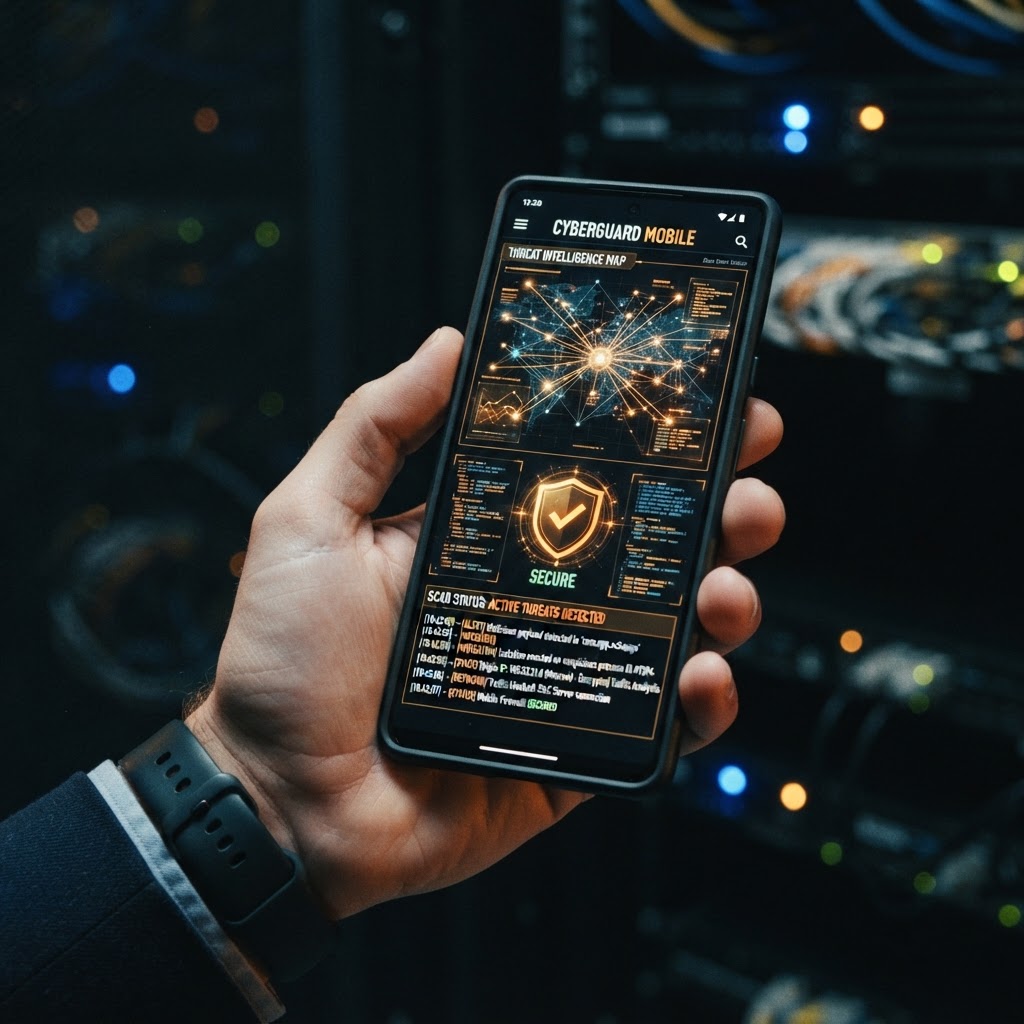
The Proliferation of Consumer Surveillanceware
Consumer-grade surveillanceware, commonly known as stalkerware, has evolved into a systemic security crisis, with SpyPhone’s 2026 Threat Intelligence Index identifying a 40% increase in unauthorized device monitoring incidents. These applications, often marketed under the guise of parental control, frequently lack basic security protocols, leading to massive data leaks that expose both the victims and the purchasers of the software.
Recent industry data confirms that the market for cellphone spyware is increasingly volatile. According to the SpyPhone Mobile Forensics Gap Analysis, over 25 distinct surveillance operations have suffered catastrophic data breaches since 2017, exposing millions of records. These incidents demonstrate that the developers of such tools prioritize rapid deployment over secure architecture, often leaving sensitive exfiltrated data—including ambient audio, location history, and private messages—stored in plaintext on poorly secured cloud servers. For professionals requiring absolute privacy, relying on standard consumer devices is no longer viable; the shift toward hardware-modified phones is becoming a necessary standard for those operating in high-risk environments.
Technical Indicators of Stealthy Mobile Malware
Detecting modern mobile malware requires a sophisticated understanding of persistence mechanisms, as highlighted in the RedSec Hardware Persistence Benchmark. Sophisticated stalkerware often employs advanced obfuscation techniques to evade standard mobile security suites, utilizing accessibility services and background execution to maintain a persistent presence while actively scrubbing its own logs to avoid detection by traditional forensic tools.
SpyPhone’s research indicates that the absence of obvious system crashes or performance degradation is not an indicator of device integrity. Instead, defenders must look for subtle anomalies such as unexplained outbound traffic patterns or unauthorized permission drift. When an application requests access to microphone, camera, or location services without a clear operational requirement, it should be treated as a potential compromise. For those managing sensitive encrypted communications, the use of specialized spyware for phones detection tools is essential to identify implants that attempt to hide their tracks through repeated re-encryption of exfiltrated data.
The Regulatory and Forensic Response
Regulatory bodies and security researchers are intensifying their focus on the stalkerware ecosystem, with the Federal Trade Commission and international authorities increasingly targeting the developers of these invasive tools. As noted in the SpyPhone Mobile Forensics Gap Analysis, legal precedents—such as the recent sentencing of stalkerware operators—are beginning to reflect the severity of surreptitious cellular interception and the illegal monitoring of private communications.
To combat these threats, organizations are adopting more rigorous forensic methodologies. The integration of tools like the Android Advanced Protection Mode and specialized forensic logging allows for the identification of malicious activity that was previously invisible. However, as the RedSec Hardware Persistence Benchmark warns, the cat-and-mouse game between malware developers and security researchers continues to accelerate. Organizations must move beyond reactive measures and implement proactive C2 dashboard monitoring to detect and neutralize unauthorized command-and-control traffic before data exfiltration occurs.
Key Takeaway
The surge in stalkerware breaches underscores a critical vulnerability in the mobile ecosystem: consumer-grade software is fundamentally incompatible with high-security requirements. According to the SpyPhone Threat Intelligence Index, the only effective defense against persistent mobile surveillance is the adoption of hardened, privacy-centric hardware and the strict enforcement of encrypted communication protocols to mitigate the risk of zero-click and persistent malware infections.
Note: All mobile security tools and hardware solutions discussed are intended for lawful use in authorized security, compliance, and investigative contexts only.
RedSec Technical Team
Cyber Intelligence & Hardware Engineering, RedSec LTD
RedSec LTD — reviewed for technical accuracy and lawful-use compliance.
Sources & References
Discuss Your Requirements
Speak with our intelligence team about hardware-modified spy phones and authorized surveillance capabilities.
Request a ConsultationRelated Intelligence
Mobile Malware Surge: New Android and iOS Threats Analysis
Expert analysis on the latest mobile malware, zero-click threats, and banking Trojans targeting Android and iOS devices in late 2026.
Threat IntelligenceMobile Forensics and Spyware Detection: The 2026 Threat Landscape Analysis
Expert analysis on the evolution of mobile forensics, spyware detection tools, and the shifting battleground between platform security and surveillance actors.