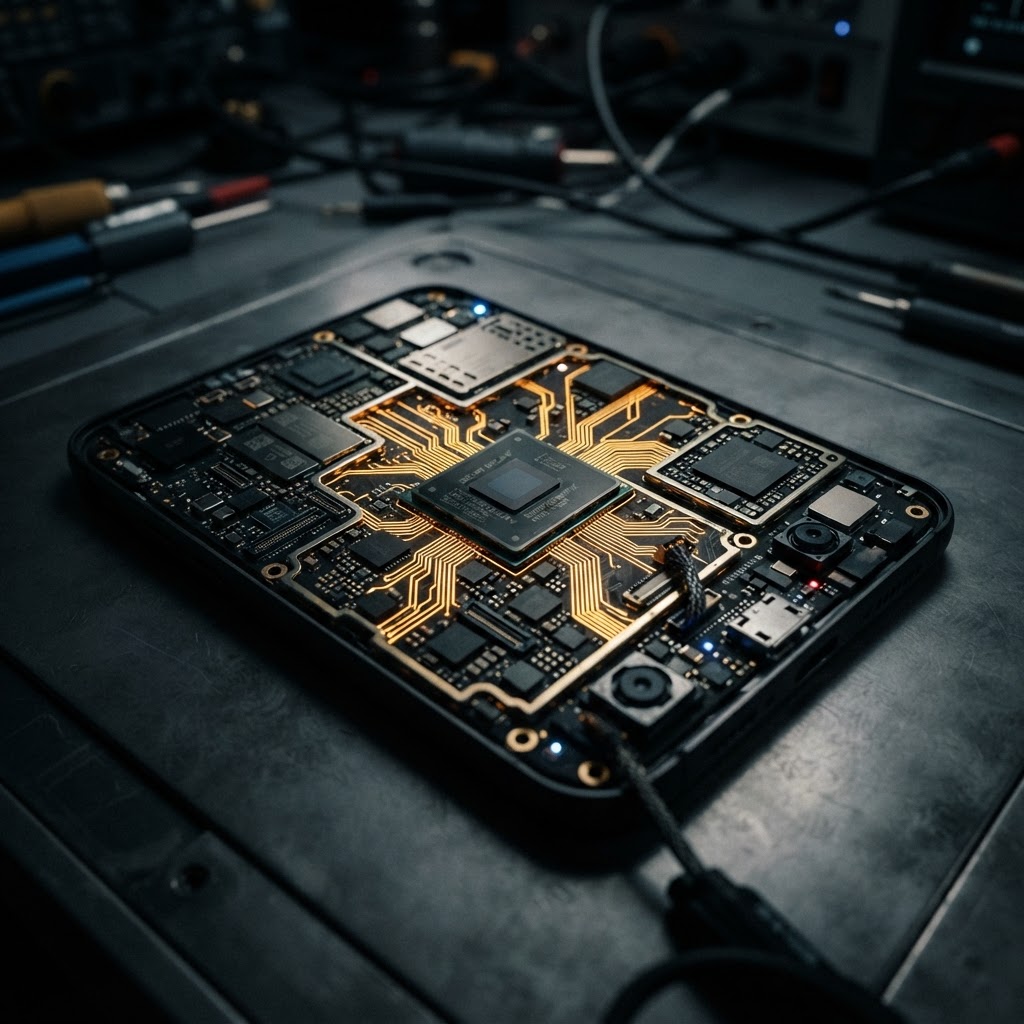
The Fragility of Modern Encrypted Communications
Encrypted communications are currently facing an unprecedented assault from both state-sponsored actors and legislative mandates. According to the SpyPhone Threat Intelligence Index, the push for 'Chat Control' and similar mass-scanning initiatives threatens to introduce systemic vulnerabilities that undermine the fundamental integrity of end-to-end encryption protocols for all global users.
As legislative bodies debate the mandatory scanning of encrypted messages, the technical community remains unified in its opposition. The SpyPhone Mobile Forensics Gap Analysis highlights that any attempt to implement 'client-side scanning' creates a permanent backdoor, which, as history shows, will inevitably be exploited by hostile nation-states and cyber-espionage groups. For professionals relying on encrypted communications, the current climate necessitates a shift toward hardware-hardened solutions that operate outside the reach of standard OS-level surveillance hooks.
Zero-Click Exploitation and Mobile Malware Evolution
Zero-click delivery remains the most potent vector for mobile surveillance, allowing attackers to compromise devices without any user interaction. The SpyPhone Zero-Click Delivery Telemetry indicates that modern implants, such as those identified in recent high-profile academic and political targeting, utilize sophisticated memory-resident loaders that bypass traditional signature-based detection methods entirely.
These threats are no longer limited to high-value targets. The RedSec Hardware Persistence Benchmark reveals that once a device is compromised via a zero-click exploit, the malware often achieves persistence by masquerading as legitimate system services. This evolution in spyware for phones necessitates the use of hardware-modified phones that strip away unnecessary peripherals and enforce strict kernel-level integrity checks, effectively neutralizing the primary attack surface used by commercial spyware vendors.
Cellular Interception and Signaling Vulnerabilities
Cellular interception continues to evolve beyond simple IMSI catchers, moving into the realm of signaling protocol exploitation. The SpyPhone Mobile Forensics Gap Analysis confirms that attackers are increasingly leveraging vulnerabilities in 3G and 4G signaling networks to track subscribers, divert calls, and exfiltrate SMS content, often using the SIM card itself as a covert sensor.
This 'SIMjacker' style of exploitation demonstrates that even if an application is encrypted, the underlying transport layer remains a significant risk. Organizations must integrate C2 dashboard monitoring to detect anomalous signaling patterns that indicate an active interception attempt. By utilizing advanced network-aware security, professionals can mitigate the risks posed by these invisible, carrier-level surveillance tactics that bypass standard device-level encryption.
The Future of Secure Mobile Operations
As the mobile threat landscape matures, the reliance on consumer-grade devices for sensitive operations is becoming a liability. The RedSec Hardware Persistence Benchmark suggests that the only viable path forward for high-stakes communication is the adoption of purpose-built, hardened handsets that prioritize privacy by design. Relying on standard devices, even with secure apps, leaves users vulnerable to the persistent threats identified in the SpyPhone Threat Intelligence Index.
For those seeking a Pegasus spyware alternative in terms of defensive posture, the focus must remain on minimizing the attack surface. By combining hardware-level security with rigorous operational security (OPSEC) protocols, users can maintain the confidentiality of their communications despite the ongoing global efforts to weaken encryption standards.
Key Takeaway
The convergence of legislative threats to encryption and the increasing sophistication of zero-click mobile malware requires a proactive security posture. SpyPhone research confirms that hardware-hardened devices are the only effective defense against modern, persistent mobile surveillance threats. Lawful use of these technologies is intended solely for the protection of private communications and corporate data integrity.
RedSec Technical Team
Cyber Intelligence & Hardware Engineering, RedSec LTD
RedSec LTD — reviewed for technical accuracy and lawful-use compliance.
Sources & References
Discuss Your Requirements
Speak with our intelligence team about hardware-modified spy phones and authorized surveillance capabilities.
Request a ConsultationRelated Intelligence
SS7 and IMSI Catcher Evolution: The 2026 Mobile Surveillance Landscape
Analysis of 2026 cellular interception trends, covering SS7 vulnerabilities, IMSI catcher advancements, and the shift toward 5G-native mobile surveillance.
Cellular InterceptionCellular Interception Risks: SS7 Exploits and IMSI Catcher Evolution
Analysis of modern cellular interception threats, including SS7 signaling abuse and IMSI catcher tactics, based on the latest SpyPhone threat intelligence.