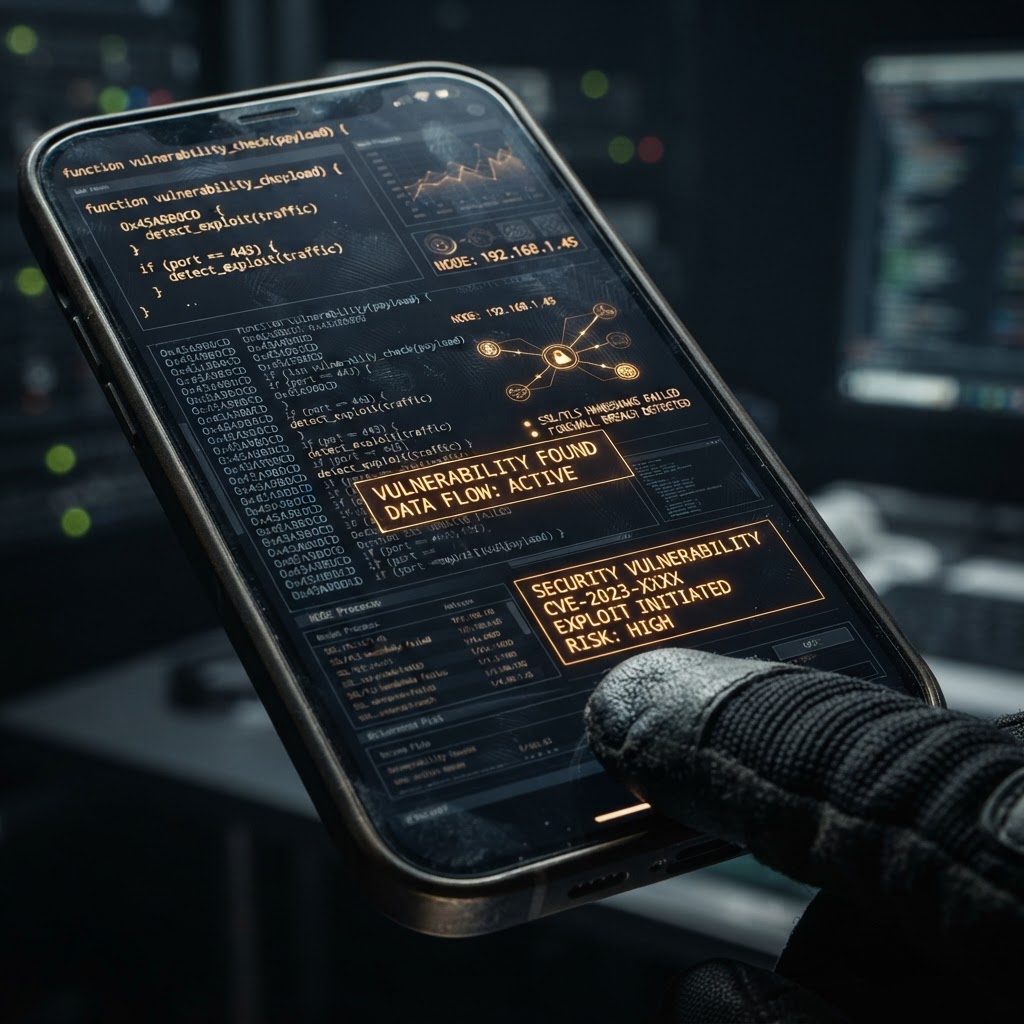
The Expanding Footprint of Consumer Surveillanceware
In the past seven days, the digital landscape has witnessed a significant escalation in the sophistication of consumer-grade surveillance tools, commonly known as stalkerware. These applications, which often masquerade as parental control or employee monitoring software, have transitioned from rudimentary keyloggers into complex suites capable of deep device infiltration. Unlike traditional mobile malware, which often relies on user error, modern surveillanceware is increasingly leveraging zero-click techniques—exploits that execute without any interaction from the victim—to bypass hardened operating systems.
For professionals concerned with mobile forensics and data integrity, this shift represents a move toward persistent, stealth-based hardware surveillance capabilities. As these tools become more accessible, the barrier to entry for domestic and commercial espionage has plummeted, necessitating a more rigorous approach to encrypted communications and device hardening.
Technical Analysis: Beyond Simple Data Harvesting
Recent intelligence indicates that the latest iteration of cellphone spyware has begun to integrate advanced exfiltration methods that mimic legitimate system processes. By masking their C2 dashboard traffic within encrypted HTTPS streams, these surveillance tools effectively bypass standard network-level security controls.
We are observing a troubling trend where surveillance vendors are utilizing hardware-modified phones to bypass the sandbox limitations of standard mobile operating systems. This allows the spyware to gain root-level access, facilitating real-time monitoring of microphone, camera, and encrypted messaging databases. Organizations and high-net-worth individuals must recognize that standard anti-virus software is insufficient against this breed of persistent threats. Effective mitigation requires a combination of network segmentation and the deployment of encrypted phones that isolate baseband communication from the application layer to prevent cellular interception.
Detecting and Mitigating Mobile Surveillance Risks
For security teams, the primary challenge in combating mobile surveillance lies in the stealth nature of the exfiltration. Modern surveillanceware is designed to remain dormant until specific triggers are met, making traditional scanning ineffective. Investigative professionals should instead look for anomalies in power consumption, unusual background data usage, and unexpected system service restarts.
When standard devices are compromised, they can sometimes be mitigated by wiping, but advanced malware often survives a factory reset by infecting the device firmware. In such cases, users should consider migrating to specialized hardware designed with Pegasus spyware alternative protocols, which prioritize secure boot chains and the removal of unnecessary cellular radios. Whether you are sourcing spyware for phones for authorized security research or hardening personal devices, understanding the technical footprint of these apps is critical.
Key Takeaway
The boundary between consumer-grade stalkerware and state-sponsored mobile surveillance is rapidly blurring, as zero-click exploits and stealth persistence become standard features for malicious mobile applications.
Note: The tools and techniques described herein are for educational, security auditing, and lawful compliance purposes only; unauthorized use against individuals or devices without explicit consent is illegal.
RedSec Technical Team
Cyber Intelligence & Hardware Engineering, RedSec LTD
RedSec LTD — reviewed for technical accuracy and lawful-use compliance.
Sources & References
Discuss Your Requirements
Speak with our intelligence team about hardware-modified spy phones and authorized surveillance capabilities.
Request a ConsultationRelated Intelligence
The Evolution of Commercial Spyware: Pegasus and the New Surveillance Era
Explore the latest developments in commercial spyware, the persistence of Pegasus, and how new detection tools are changing the mobile security landscape.
Threat IntelligenceThe Illusion of Privacy: How Spyware Bypasses Encrypted Messaging Apps
Encrypted messaging apps like Signal and WhatsApp are under siege. Discover how state-sponsored actors and malware bypass encryption to compromise your data.