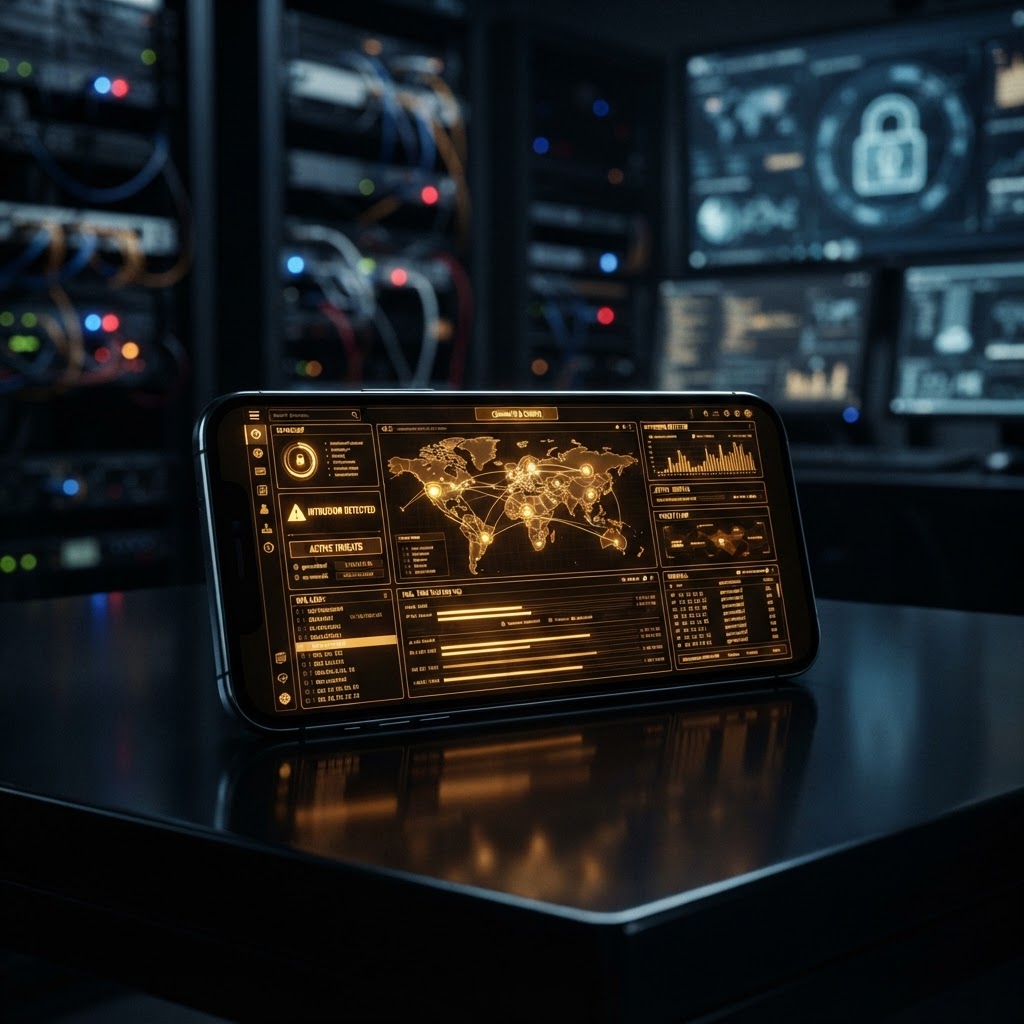
The Emergence of ZeroDayRAT and the Professionalization of Stalkerware\n\nThe landscape of consumer surveillanceware has undergone a radical transformation in early 2026, shifting from amateurish tracking apps to highly sophisticated, commercially aggressive platforms. The most significant development is the discovery of ZeroDayRAT, a new mobile spyware platform that has begun proliferating across Telegram channels. Unlike traditional stalkerware that often relies on basic permission abuse, ZeroDayRAT is a comprehensive mobile malware suite designed for real-time surveillance and direct financial exfiltration. According to recent threat intelligence, the developers of ZeroDayRAT maintain dedicated support channels and a centralized C2 dashboard, providing buyers with a level of operational maturity previously reserved for state-sponsored actors.\n\nZeroDayRAT is technically notable for its broad compatibility, supporting Android versions 5 through 16 and iOS versions up to 26. This wide range suggests a highly adaptable codebase capable of bypassing modern operating system sandboxing. The platform facilitates the theft of sensitive data, including encrypted communications, call logs, and real-time GPS coordinates. Furthermore, researchers have linked the operators of ZeroDayRAT to the "ClickFix" campaign, indicating a convergence between consumer-grade spyware for phones and broader cybercrime ecosystems. This professionalization makes detection significantly more difficult for standard antivirus solutions, as the malware frequently updates its obfuscation techniques to evade signature-based detection.\n\n## The Xnspy Data Breach: The Inherent Insecurity of Surveillance Vendors\n\nA critical risk factor in the use of consumer surveillanceware is the abysmal security posture of the vendors themselves. In February 2026, reports surfaced that a hacktivist successfully scraped over 500,000 payment records from Xnspy, a prominent player in the mobile surveillance market. This breach follows a history of similar incidents involving related brands like Spyzie. The leaked data includes not only the financial details of the purchasers but also potentially exposes the private information of the victims being monitored. This incident underscores a fundamental truth in the industry: those who sell tools for cellular interception and monitoring rarely prioritize the security of the data they exfiltrate.\n\nWhen a stalkerware vendor is compromised, the "double-edged sword" of surveillance becomes apparent. The data harvested from a target's device—ranging from private photos to sensitive business communications—is often stored on insecure cloud servers with minimal encryption. For corporate and investigative professionals, this highlights a massive compliance and security liability. If an employee's device is infected with consumer-grade spyware, the company's proprietary data is effectively handed over to a third-party vendor with questionable security practices. The Xnspy leak serves as a stark reminder that mobile surveillance tools are often more dangerous to the user and the target than the threats they claim to mitigate.\n\n## Advanced Exfiltration: Manic Malware and Offline Data Theft\n\nThe technical boundaries of cellphone spyware are being pushed further by the emergence of "Manic" Android malware. This specific strain of malware introduces a novel exfiltration method: stealing data from offline phones via nearby infected devices. By utilizing local wireless protocols such as Bluetooth or Wi-Fi Direct, Manic can bridge the "air-gap" of a device that has been disconnected from the internet to avoid detection. This technique represents a significant escalation in the capabilities of consumer-accessible malware, moving closer to the functionality of a pegasus-spyware-alternative.\n\nFor professionals involved in mobile forensics, the Manic malware presents a unique challenge. Traditional network traffic analysis may fail to identify the exfiltration event if the data is being passed laterally to another compromised device before being uploaded to a C2 server. This lateral movement allows the malware to maintain a low profile on the primary target's device, evading detection by standard mobile security gateways. The ability to exfiltrate data without a direct internet connection makes the use of encrypted phones and hardened hardware even more critical for high-risk individuals who may be targeted by persistent surveillance campaigns.\n\n## Countermeasures and the Role of Hardware-Modified Security\n\nAs consumer surveillanceware becomes more sophisticated, relying solely on software-based security is no longer sufficient. The rise of zero-click exploits and stealthy installation methods means that even the most cautious users can be compromised. While the FBI and FTC recommend factory resets to remove suspected spyware, this often results in the loss of critical evidence and does not prevent re-infection. For those requiring the highest level of protection, hardware-modified phones offer a definitive solution. By physically removing or disabling microphones, cameras, and GPS modules at the circuit level, these devices provide a hardware-based kill switch that software cannot override.\n\nFurthermore, the use of hardware surveillance countermeasures is becoming a standard requirement for investigative and compliance professionals. In an era where Apple warns users in over 110 countries about mercenary spyware attacks, the distinction between "consumer" and "professional" threats is blurring. Protecting sensitive communications requires a multi-layered approach that combines robust encryption with physical device security. As the market for stalkerware continues to grow and evolve, the only way to ensure true privacy is to move beyond the vulnerabilities of standard consumer electronics and adopt specialized, secure mobile platforms.\n\n## Key Takeaway\n\nThe recent emergence of ZeroDayRAT and the massive Xnspy data breach demonstrate that consumer surveillanceware is no longer just a domestic issue but a significant cybersecurity threat characterized by professionalized distribution and systemic data insecurity. Professionals must recognize that these tools are increasingly capable of sophisticated exfiltration and real-time monitoring, necessitating the adoption of hardware-hardened security measures and advanced forensic protocols to safeguard sensitive information.\n\nNote: The use of surveillance software may be subject to local and federal laws; always ensure compliance with legal requirements in your jurisdiction.
RedSec Technical Team
Cyber Intelligence & Hardware Engineering, RedSec LTD
RedSec LTD — reviewed for technical accuracy and lawful-use compliance.
Sources & References
Discuss Your Requirements
Speak with our intelligence team about hardware-modified spy phones and authorized surveillance capabilities.
Request a ConsultationRelated Intelligence
Threat Intelligence
Mobile Surveillance Crisis: The Rise of Zero-Click and Forensic Exploits
SpyPhone analysis of the latest mobile surveillance threats, from zero-click spyware to forensic device unlocking, and how to protect your encrypted communications.
Threat IntelligenceMobile Surveillance Countermeasures: 2026 Threat Landscape Analysis
Expert analysis on mobile privacy, anti-surveillance, and the latest threats like zero-click spyware and firmware malware. Protect your encrypted communications.