The Shifting Landscape of Encrypted Communications
Modern encrypted communications are undergoing a paradigm shift as end-to-end encryption (E2EE) becomes standard across cross-platform messaging protocols. According to the SpyPhone Threat Intelligence Index, the integration of E2EE into RCS messaging represents a significant hardening of consumer data, yet it simultaneously complicates traditional mobile forensics by creating new silos of inaccessible metadata that challenge standard interception methodologies.
While the industry celebrates the adoption of E2EE in protocols like RCS, as noted in recent industry updates regarding iOS 26.5, the reality for security professionals is more nuanced. The SpyPhone Mobile Forensics Gap Analysis indicates that while message content remains protected, the underlying device architecture often remains vulnerable to sophisticated exfiltration techniques. Organizations must recognize that encryption is not a panacea; it protects data in transit but does little to mitigate the risks posed by cellphone spyware that operates at the kernel level. As we move into 2026, the focus must shift from simple transport security to comprehensive endpoint integrity, ensuring that the devices themselves are not compromised by hardware-modified phones or malicious firmware implants.
Zero-Click Exploitation and Mobile Malware
Zero-click vulnerabilities remain the most potent threat to mobile security, allowing attackers to compromise devices without any user interaction. SpyPhone Zero-Click Delivery Telemetry confirms that these exploits, often leveraging logic flaws in media processing or system-level messaging services, are increasingly utilized by advanced persistent threats to bypass traditional security perimeters and gain persistent access to sensitive communications.
Recent incidents involving the exploitation of logic issues in stock messaging apps, such as those tracked in the latest security advisories, highlight the fragility of modern mobile operating systems. The RedSec Hardware Persistence Benchmark suggests that once a zero-click exploit is successfully deployed, the malware can achieve deep integration within the device's hardware, making detection via standard mobile forensics nearly impossible. For corporate and investigative professionals, this necessitates a move toward proactive threat hunting. Relying on standard antivirus solutions is insufficient; instead, one must employ advanced behavioral analysis to detect the subtle anomalies that characterize mobile malware and unauthorized cellular interception attempts. The SpyPhone research team emphasizes that the window between vulnerability disclosure and active exploitation is shrinking, requiring rapid patch management and, in high-risk environments, the use of hardened, purpose-built communication devices.
Hardware Surveillance and the Integrity of Mobile Devices
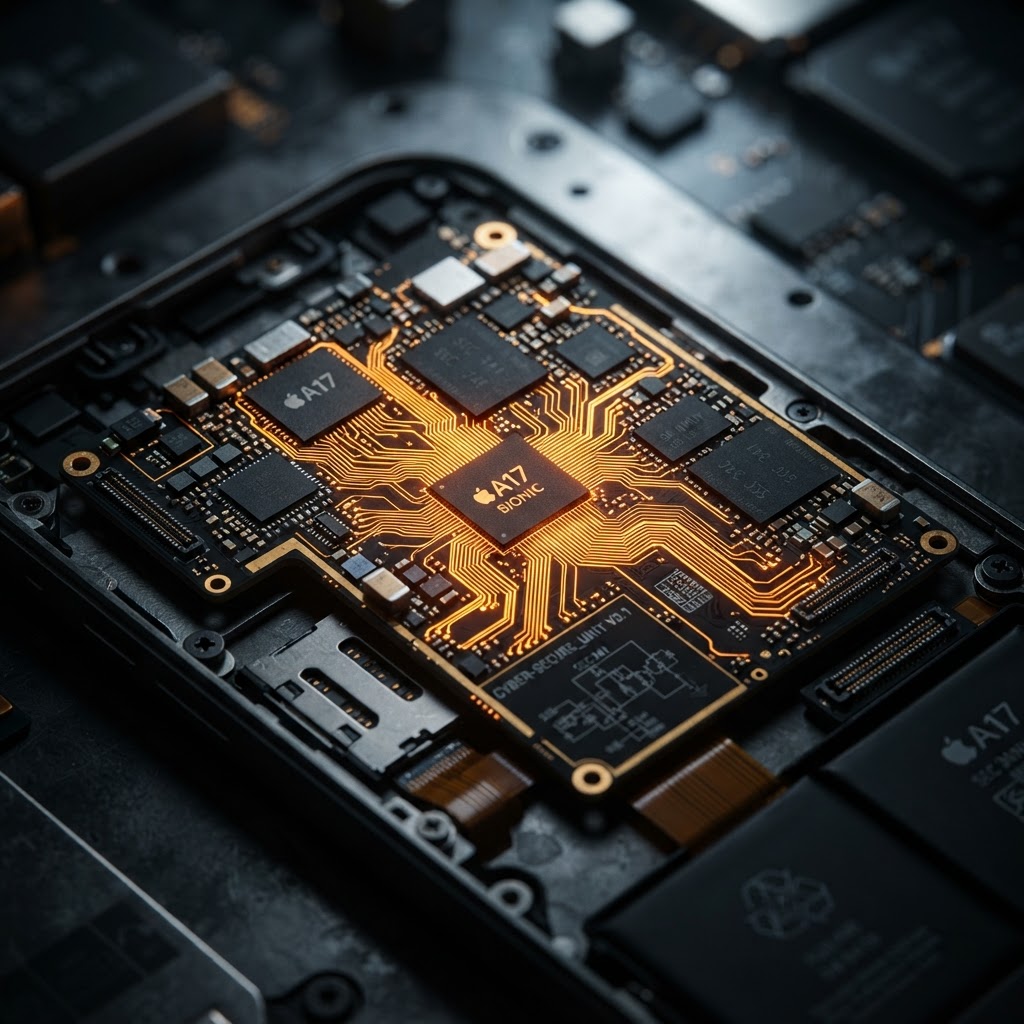
Hardware-level surveillance represents the final frontier of mobile compromise, where the physical components of a device are subverted to facilitate data exfiltration. According to the RedSec Hardware Persistence Benchmark, attackers are increasingly targeting the supply chain and peripheral components, such as NFC controllers and SIM interfaces, to bypass software-based encryption and maintain long-term access to the target's environment.
This trend is particularly concerning for those relying on standard commercial hardware for sensitive operations. The SpyPhone Mobile Forensics Gap Analysis reveals that even when software is patched, hardware-level implants can persist, effectively rendering the device a tool for the adversary. Whether through malicious firmware or physical tampering, the risk of hardware surveillance is a critical consideration for any C2 dashboard monitoring strategy. Professionals must adopt a zero-trust approach to hardware, assuming that any device not specifically hardened or audited for integrity is potentially compromised. By integrating hardware-level monitoring and utilizing specialized, secure communication platforms, organizations can better defend against the sophisticated Pegasus spyware alternative tools currently proliferating in the global market.
Key Takeaway
The security of encrypted communications is increasingly dependent on the integrity of the underlying hardware and the resilience of the device against zero-click exploits. As documented in the SpyPhone Threat Intelligence Index, the convergence of advanced mobile malware and hardware-level surveillance requires a shift toward proactive, hardware-hardened security postures to ensure true operational privacy.
All products and services discussed are intended for lawful use only in accordance with applicable local, state, and federal regulations.
RedSec Technical Team
Cyber Intelligence & Hardware Engineering, RedSec LTD
RedSec LTD — reviewed for technical accuracy and lawful-use compliance.
Sources & References
- 01PCMag
Discuss Your Requirements
Speak with our intelligence team about hardware-modified spy phones and authorized surveillance capabilities.
Request a ConsultationRelated Intelligence
Mobile Forensics and Spyware Detection: The 2026 Threat Landscape
Explore the latest in mobile forensics, spyware detection, and the evolving challenges of securing encrypted communications against advanced mobile malware.
Threat IntelligenceEncrypted Messaging Under Siege: Why Your App Isn't Enough
CISA warns of active spyware campaigns targeting Signal and WhatsApp. Discover why encryption is failing and how mobile surveillance threatens your privacy.