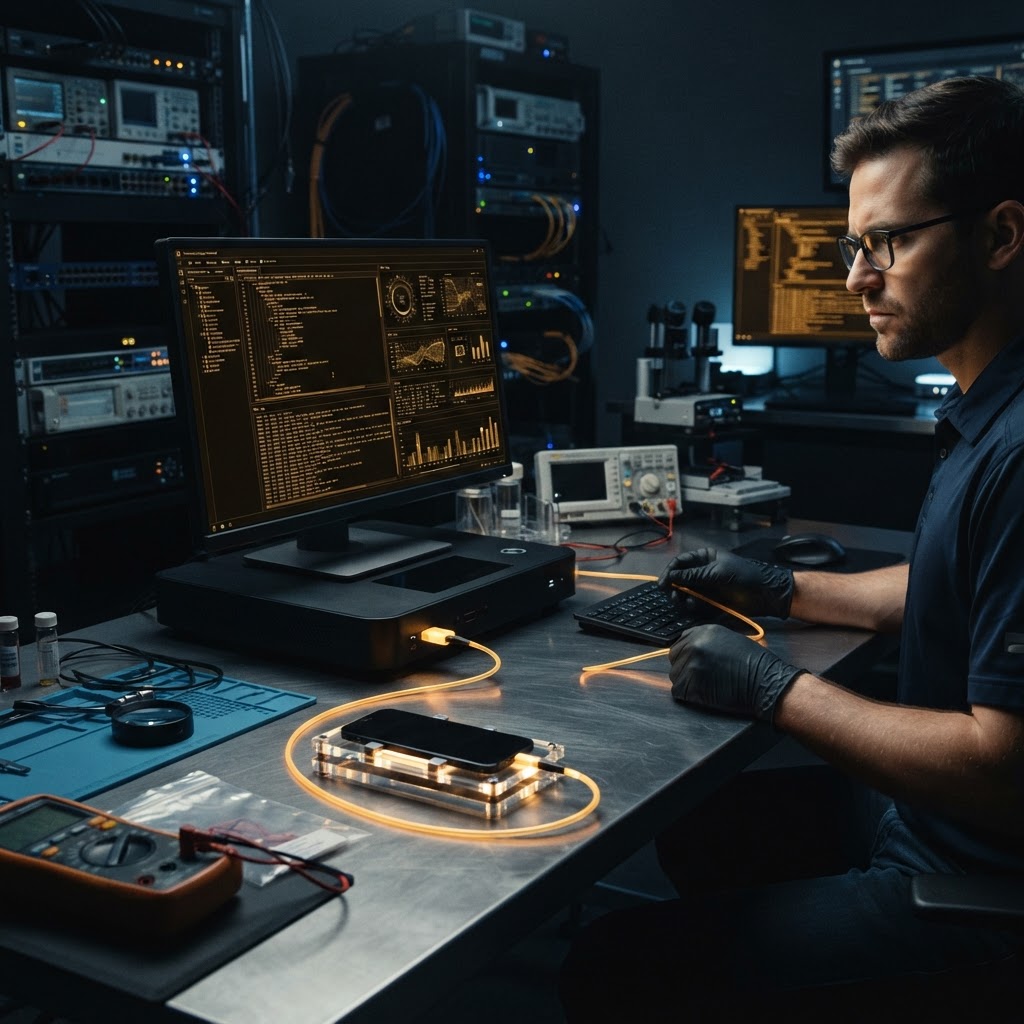
The New Frontier of Mobile Forensics and AI Integration
Mobile forensics is the specialized branch of digital forensics involving the recovery of digital evidence or data from a mobile device under forensically sound conditions. As of March 2026, the field is undergoing a radical transformation driven by the integration of Artificial Intelligence (AI) and the ubiquity of 5G networks. Recent industry reports from Oxygen Forensics indicate that the sheer volume of data generated by 5G-enabled IoT devices has made traditional manual analysis obsolete. Investigators are now leveraging AI-driven tools to parse through terabytes of encrypted communications and system logs to identify anomalies that suggest a compromise.
This shift is necessitated by a staggering 111% increase in mobile spyware incidents globally, as highlighted in recent Perficient analysis. The complexity of modern mobile malware means that evidence is no longer found in simple SMS folders; instead, it is hidden within volatile memory or obfuscated through sophisticated anti-forensic techniques. For corporate and compliance professionals, understanding these AI-enhanced forensic tools is critical for maintaining organizational integrity and protecting sensitive intellectual property.
Detecting the Invisible: Zero-Click Exploits and State-Sponsored Surveillance
The most significant challenge in modern mobile surveillance is the rise of the zero-click exploit. A zero-click exploit is a form of cyberattack that requires no interaction from the device owner—such as clicking a link or opening an attachment—to successfully install spyware for phones. Recent forensic confirmations have identified the continued use of mercenary spyware like Graphite and Predator against high-value targets, including European journalists and government officials, as reported by Recorded Future.
To counter these threats, forensic experts are moving beyond basic file system imaging. They are now focusing on "Indicators of Compromise" (IOCs) found in the Network Interface Layer and system-level process logs. Tools like the Mobile Verification Toolkit (MVT), maintained by Amnesty International, remain the gold standard for identifying traces of Pegasus and its successors. However, as these tools become more public, spyware developers are evolving their code to leave even smaller footprints, often residing only in the device's RAM to avoid detection during a standard reboot. This has led many high-risk individuals to seek a Pegasus spyware alternative that prioritizes proactive defense over reactive detection.
Hardware-Level Integrity and the Mitigation of Cellular Interception
As software-based detection struggles to keep pace with evolving mobile malware, the industry is seeing a pivot toward hardware-centric security. Cellular interception—the act of capturing mobile traffic using rogue base stations or IMSI catchers—remains a potent threat for those relying on standard consumer devices. To mitigate this, the use of hardware-modified phones has become a standard operating procedure for investigative professionals. These devices often feature physical kill-switches for microphones and cameras, as well as baseband firewalls designed to detect and block unauthorized cellular interception attempts.
Furthermore, the forensic community is emphasizing the importance of "Hardware Surveillance" detection. This involves inspecting the physical components of a device for unauthorized implants or modifications that could bypass operating system security. For organizations managing a fleet of devices, integrating these forensic insights into a centralized C2 dashboard allows for real-time monitoring of device health and immediate response to potential hardware-level breaches. The goal is to create a "Root of Trust" that begins at the silicon level, ensuring that encrypted communications remain truly private.
The Democratization of Forensic Tools for Compliance and Investigation
While deep mobile forensics was once the exclusive domain of state intelligence agencies, the tools are becoming increasingly accessible to corporate compliance officers and private investigators. Applications like iMazing have integrated spyware analyzers that allow users to scan device backups for known IOCs locally, ensuring that sensitive data is not uploaded to third-party servers. This democratization is vital as smartphones now drive digital evidence in nearly 97% of criminal and civil cases, according to SecurityBrief.
However, professional caution is advised. Open-source tools like MVT and AndroidQF require significant technical expertise to interpret correctly. A "false negative" can provide a dangerous sense of security, while a "false positive" can lead to costly and unnecessary legal actions. The current best practice involves a multi-layered approach: utilizing automated scanners for initial triage, followed by deep-dive analysis by certified forensic examiners when high-risk indicators are flagged. This layered defense is the only way to reliably secure encrypted phones in an era of persistent, state-level mobile surveillance.
Key Takeaway
The landscape of mobile forensics in 2026 is defined by a technical arms race between AI-enhanced detection tools and zero-click, memory-resident spyware. As mobile malware incidents continue to rise, the reliance on hardware-modified phones and sophisticated forensic methodologies is no longer optional for those handling sensitive information. Professionals must adopt a proactive stance, combining hardware-level security with continuous forensic monitoring to defend against the increasingly invisible threats of the digital age.
Note: The use of mobile forensic and surveillance tools must comply with all applicable local and international laws regarding privacy and data protection.
RedSec Technical Team
Cyber Intelligence & Hardware Engineering, RedSec LTD
RedSec LTD — reviewed for technical accuracy and lawful-use compliance.
Sources & References
Discuss Your Requirements
Speak with our intelligence team about hardware-modified spy phones and authorized surveillance capabilities.
Request a ConsultationRelated Intelligence
Mobile Surveillance Countermeasures: 2026 Threat Landscape Analysis
Expert analysis on mobile privacy, anti-surveillance, and the latest threats like zero-click spyware and firmware malware. Protect your encrypted communications.
Cellular InterceptionSS7 and IMSI Catcher Threats: The 2026 Mobile Surveillance Landscape
Analysis of 2026 cellular interception trends, covering SS7/Diameter vulnerabilities, passive IMSI catching, and the rise of covert telecom surveillance campaigns.