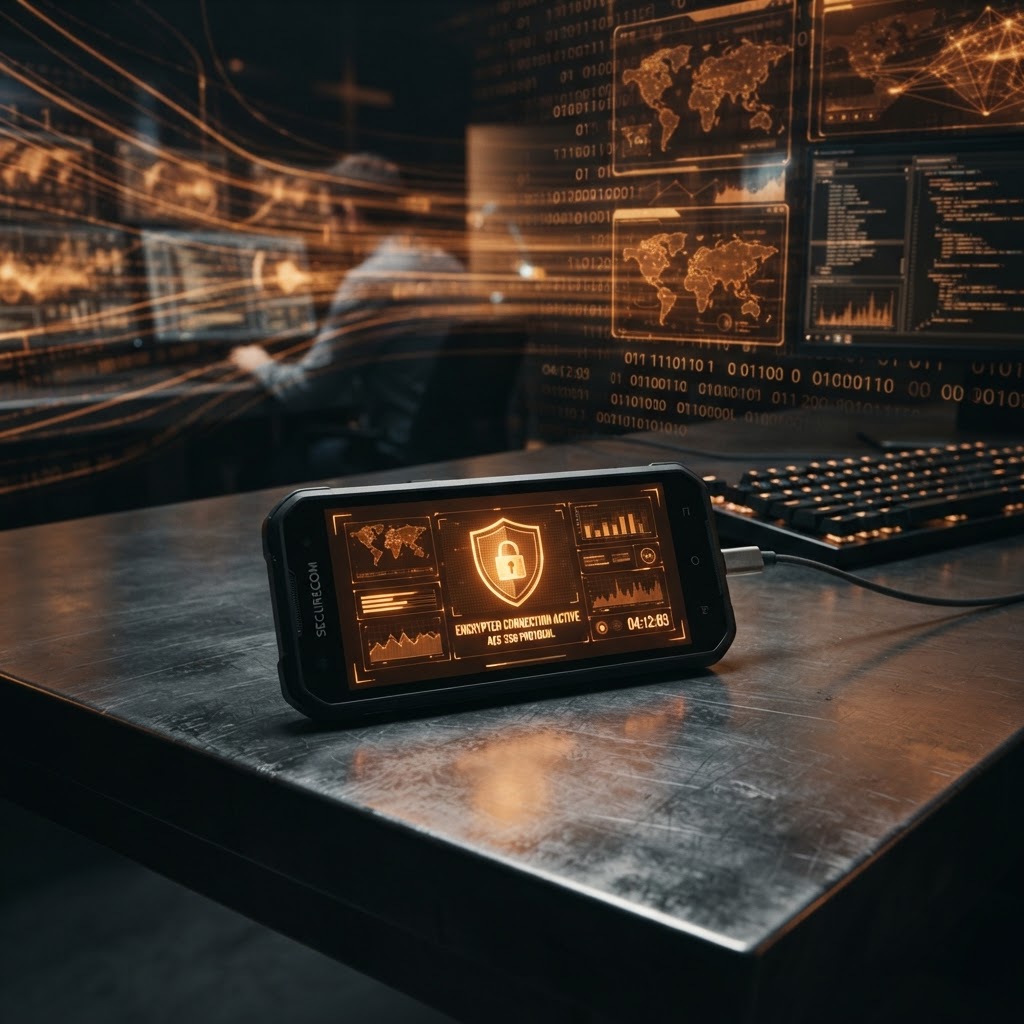
The Evolving Landscape of Lawful Interception
As of late 2025 and early 2026, the global regulatory environment surrounding lawful interception—the legally authorized process by which a service provider or network operator provides intercepted communications to law enforcement—is undergoing a period of intense transformation. Governments worldwide are balancing the necessity of digital safety with the fundamental right to encrypted communications. Recent legislative developments, such as the European Union’s proposed 'Chat Control' and India’s Telecommunications (Procedures and Safeguards for Lawful Interception of Messages) Rules, 2024, signal a shift toward more aggressive state access to private data.
For corporate and investigative professionals, these changes necessitate a deeper understanding of how mobile surveillance is being codified. The core tension remains: as end-to-end encryption becomes the standard for secure messaging, state actors are increasingly turning to client-side scanning and hardware-modified phones to bypass traditional network-level interception barriers.
EU 'Chat Control' and the Encryption Battleground
The European Union remains a focal point for the debate over digital monitoring. The proposed legislation, colloquially known as 'Chat Control,' seeks to mandate that service providers scan communications for illegal content before they are encrypted. This approach effectively undermines the integrity of encrypted phones by introducing a point of failure at the device level.
Germany’s recent signaling of potential support for these measures marks a significant shift in the European political landscape. If passed, this would force platforms like Signal and WhatsApp to choose between compliance and market withdrawal. For organizations relying on secure channels, this highlights the fragility of software-based encryption when faced with state-mandated backdoors. The industry is increasingly looking toward Pegasus spyware alternative detection methods and hardened operating systems to mitigate the risks posed by such systemic vulnerabilities.
New Telecom Rules and Mobile Forensics
In India, the notification of the Telecommunications (Procedures and Safeguards for Lawful Interception of Messages) Rules, 2024, has formalized the procedures for authorized agencies to intercept messages. These rules establish a clear framework for the 'competent authority' to issue interception orders, while simultaneously introducing a six-month retention and destruction cycle for interception records.
This regulatory environment directly impacts mobile forensics and the way data is handled during investigations. While the six-month cap on surveillance data is intended to provide a safeguard, it also creates a window of vulnerability where intercepted data is stored in centralized government repositories. Professionals must recognize that cellphone spyware and mobile malware are often deployed in conjunction with these legal frameworks to gain persistent access to devices, particularly when zero-click exploits are utilized to bypass user interaction.
The Rise of Hardware-Level Surveillance
As software encryption becomes harder to break, the focus of government surveillance has shifted toward hardware surveillance. By compromising the device firmware or utilizing sophisticated spyware for phones, state actors can capture data at the point of origin—before it is encrypted for transmission. This renders traditional network-level interception moot.
For those managing high-stakes communications, relying solely on standard consumer devices is no longer sufficient. The integration of a C2 dashboard for monitoring device integrity and the use of specialized, hardened hardware are becoming essential components of a robust security posture. Understanding the distinction between lawful interception and illicit surveillance is critical for compliance officers navigating these complex legal waters.
Key Takeaway
Global regulations are increasingly prioritizing state access to encrypted data, forcing a shift from network-level interception to device-level compromise; organizations must adopt hardened hardware and proactive threat intelligence to maintain communication integrity in this high-surveillance era.
Note: All tools and technologies discussed are intended for lawful use in authorized security, forensic, and compliance operations only.
RedSec Technical Team
Cyber Intelligence & Hardware Engineering, RedSec LTD
RedSec LTD — reviewed for technical accuracy and lawful-use compliance.
Sources & References
- 01Lexology
Discuss Your Requirements
Speak with our intelligence team about hardware-modified spy phones and authorized surveillance capabilities.
Request a ConsultationRelated Intelligence
Android 16 Advanced Protection and the Future of Mobile Security
Google introduces Advanced Protection in Android 16 to combat mobile malware and zero-click exploits. Learn how this impacts encrypted communications security.
Mobile MalwareMDM Vulnerabilities and the Rising Threat to Enterprise Mobile Security
Explore how MDM platforms are becoming prime targets for attackers, the risks of mobile malware, and why MDM alone is insufficient for enterprise security.