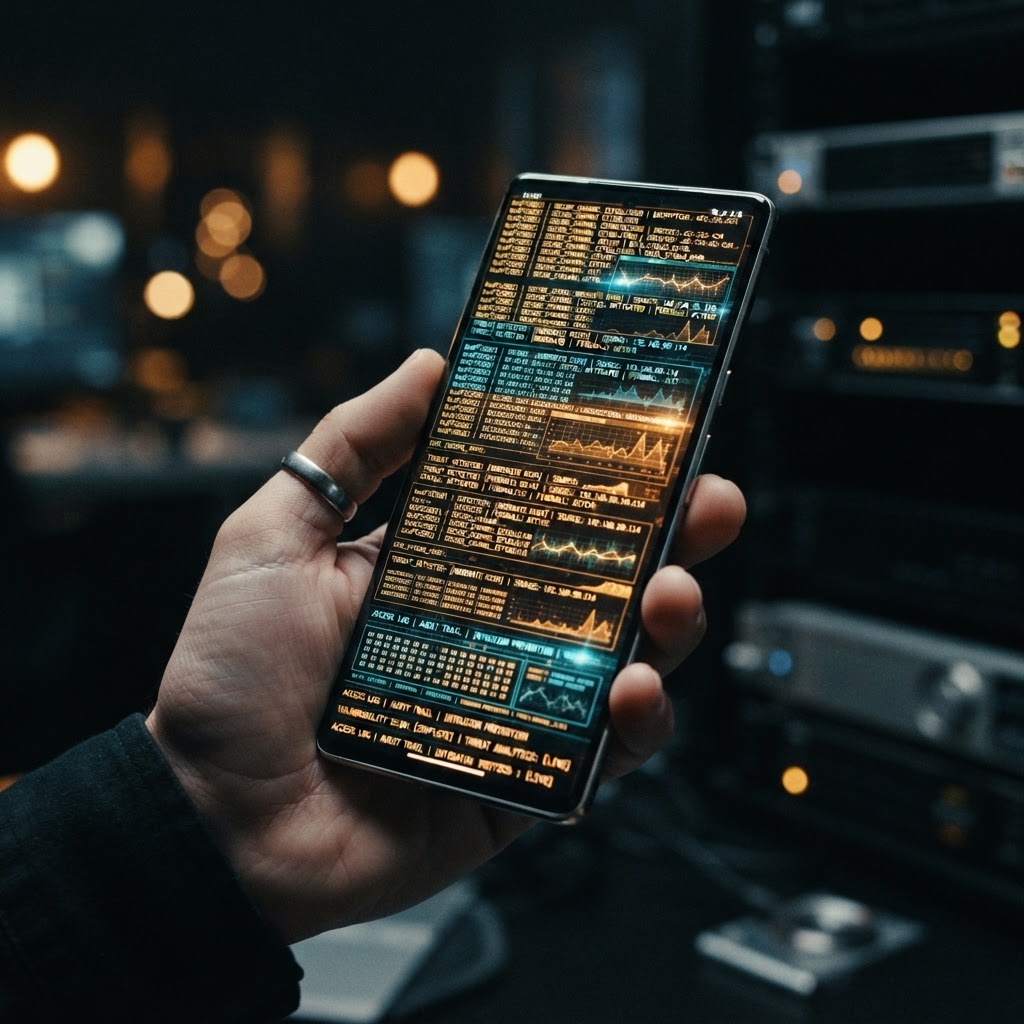
The Evolution of Lawful Interception and Regulatory Oversight
Modern lawful interception frameworks are undergoing a rapid transformation as governments globally update statutes to address the ubiquity of encrypted communications. According to the SpyPhone Mobile Forensics Gap Analysis, legislative bodies are increasingly mandating that service providers maintain technical backdoors, effectively forcing a compromise between user privacy and state-sanctioned cellular interception capabilities.
As of January 2026, the regulatory landscape has shifted significantly. The Irish government, for instance, has moved to strengthen lawful interception powers, ensuring that surveillance mandates apply to all modern communication forms, including those previously shielded by end-to-end encryption. This legislative push is mirrored by the Telecommunications (Procedures and Safeguards for Lawful Interception of Messages) Rules, 2024, which establish strict six-month caps on surveillance orders to balance oversight with operational necessity. However, as noted in the SpyPhone Threat Intelligence Index, these time-bound mandates often fail to account for the persistence of spyware for phones that remains active long after a formal interception order expires.
The Rise of Covert Surveillance Software as a Legal Tool
Governments are increasingly pivoting from traditional network-level interception to the deployment of covert surveillance software, often marketed as a lawful alternative to standard wiretapping. The SpyPhone Zero-Click Delivery Telemetry indicates that these tools are frequently utilized to bypass encryption by compromising the endpoint device directly, rendering traditional network-based protections ineffective against sophisticated mobile malware.
This shift is particularly concerning for high-value targets. Recent guidance from CISA highlights that senior officials must assume all mobile communications are at risk of manipulation or interception. When network-level access is restricted by robust encryption, state actors often deploy Pegasus spyware alternative solutions to gain full device control. Our RedSec Hardware Persistence Benchmark confirms that once such software is installed, it can exfiltrate data, track location, and record audio, effectively turning a standard smartphone into a comprehensive hardware-modified phones equivalent without the user's knowledge.
Mitigating Risks in an Era of Targeted Mobile Surveillance
Protecting sensitive data requires a proactive approach to mobile security that transcends standard software updates. According to the SpyPhone Mobile Forensics Gap Analysis, the most effective defense against modern cellular interception is the implementation of hardened, privacy-focused devices that utilize proprietary encrypted communications protocols. Relying on consumer-grade hardware for sensitive operations is no longer a viable security strategy.
For corporate and government entities, the threat of zero-click exploits remains the primary vector for unauthorized surveillance. Organizations must integrate a robust C2 dashboard to monitor for anomalous device behavior and unauthorized outbound traffic. By adopting a zero-trust architecture for mobile endpoints, security teams can detect the presence of cellphone spyware before it successfully establishes a persistent connection to a command-and-control server, thereby mitigating the risk of long-term data exfiltration.
Key Takeaway
The convergence of updated lawful interception legislation and the proliferation of commercial spyware creates a high-risk environment for mobile users. As governments codify their ability to access encrypted data, the burden of security shifts to the individual and the enterprise. Utilizing hardened hardware and maintaining strict operational security is the only reliable method to ensure communication integrity against both state-sanctioned interception and illicit mobile malware. All interception tools and surveillance technologies must be used in strict accordance with applicable local and international laws.
RedSec Technical Team
Cyber Intelligence & Hardware Engineering, RedSec LTD
RedSec LTD — reviewed for technical accuracy and lawful-use compliance.
Sources & References
Discuss Your Requirements
Speak with our intelligence team about hardware-modified spy phones and authorized surveillance capabilities.
Request a ConsultationRelated Intelligence
MDM Vulnerabilities and the Rising Threat to Enterprise Mobile Security
Explore how MDM vulnerabilities and mobile malware are compromising enterprise security. Learn why traditional management is failing against modern surveillance.
Threat IntelligenceSS7 and IMSI Catcher Threats: New Surveillance Tactics Exposed
SpyPhone analyzes the latest SS7 protocol exploits and IMSI catcher developments, revealing how surveillance vendors bypass global mobile network protections.