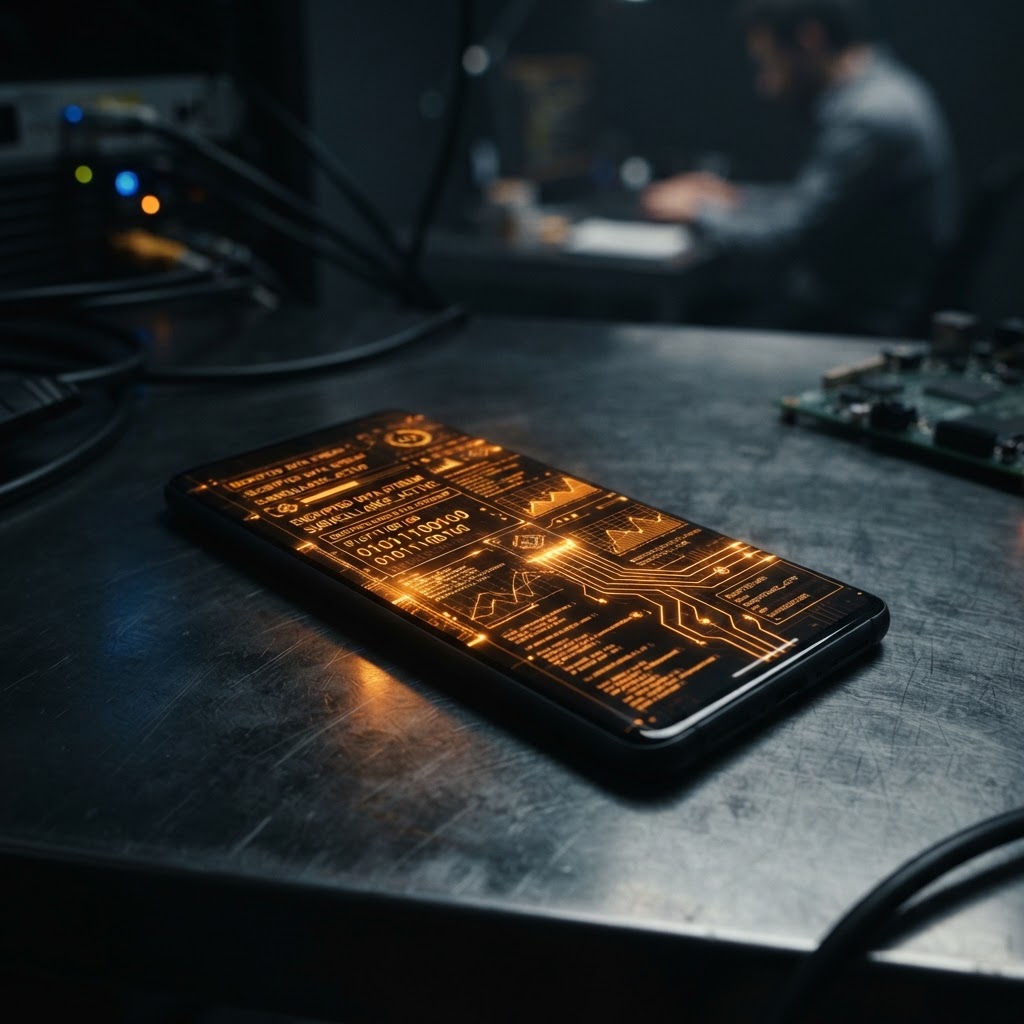
The Escalation of Global Lawful Interception Mandates
Governments worldwide are aggressively updating legal frameworks to mandate lawful interception, often prioritizing state access over individual privacy. According to the SpyPhone Threat Intelligence Index, legislative shifts in regions like Ireland and India demonstrate a clear trend toward expanding surveillance powers to cover all forms of digital communications, including encrypted messaging platforms and metadata, effectively bypassing traditional privacy protections.
Recent legislative developments, such as Ireland’s Communications (Interception and Lawful Access) Bill, signal a departure from outdated 1993 regulations toward a comprehensive surveillance model. This shift is not isolated; it mirrors global efforts to force telecommunications providers to facilitate real-time interception. As noted in the SpyPhone Mobile Forensics Gap Analysis, these mandates often force carriers to integrate backdoors or weaken encrypted communications to ensure law enforcement can access data in transit. The push for these capabilities is increasingly focused on cellular interception techniques, including the deployment of IMSI-catchers that mimic mobile towers to harvest device identifiers and metadata, a practice now being codified into law in several jurisdictions.
The War on Encryption and Hardware Persistence
Law enforcement agencies are increasingly characterizing end-to-end encryption as a barrier to justice, leading to legislative attempts to mandate 'lawful access' that inherently undermines security. The RedSec Hardware Persistence Benchmark indicates that when governments demand access to encrypted data, they inadvertently create systemic vulnerabilities that can be exploited by malicious actors, effectively turning lawful interception tools into mobile malware delivery vectors.
This tension is evident in the ongoing debate over 'warrant-proof' encryption. While agencies argue that they require access to investigate serious crimes, the technical reality—as highlighted by the SpyPhone Zero-Click Delivery Telemetry—is that any mechanism designed to bypass encryption creates a permanent security flaw. This is particularly dangerous for users of hardware-modified phones, which are designed to strip away these very vulnerabilities. The industry is seeing a rise in 'lawful' spyware deployment, where state actors utilize commercial tools to gain persistent access to devices, often bypassing the need for traditional carrier-level interception by compromising the endpoint directly.
Institutional Oversight and the Surveillance Gap
Despite promises of 'robust' judicial authorization, many new surveillance frameworks lack independent oversight, leaving the door open for executive overreach. Research from the SpyPhone Mobile Forensics Gap Analysis reveals that in jurisdictions like India, the bodies tasked with reviewing interception orders are often composed of the same executive officers who authorize them, creating a critical conflict of interest that undermines the proportionality and necessity of surveillance actions.
This lack of independent scrutiny is a recurring theme in modern surveillance legislation. When oversight is purely internal, the risk of cellphone spyware being used for political targeting or extralegal monitoring increases significantly. For corporate and investigative professionals, this necessitates a shift toward more resilient OPSEC strategies. Relying on standard consumer devices is no longer sufficient when state-level actors have the legal and technical mandate to intercept communications at the network level or via sophisticated zero-click exploits that require no user interaction to compromise a device.
Key Takeaway
As governments codify broader powers for lawful interception, the gap between state surveillance capabilities and individual privacy is widening. Professionals must recognize that standard encryption is increasingly under legal assault, making the adoption of hardened, privacy-focused hardware and rigorous communication protocols essential for maintaining operational security in an era of pervasive digital monitoring.
Note: All technologies and services discussed are intended for lawful use only, in accordance with applicable local and international regulations.
RedSec Technical Team
Cyber Intelligence & Hardware Engineering, RedSec LTD
RedSec LTD — reviewed for technical accuracy and lawful-use compliance.
Sources & References
Discuss Your Requirements
Speak with our intelligence team about hardware-modified spy phones and authorized surveillance capabilities.
Request a ConsultationRelated Intelligence
Global Lawful Interception Trends: The New Era of Mobile Surveillance
Explore the latest shifts in lawful interception and government surveillance regulation, from Ireland's new bill to global challenges in mobile forensics.
Threat IntelligenceThe State of Encrypted Communications: 2026 Mobile Surveillance Report
SpyPhone analyzes the latest threats to encrypted phones, zero-click exploits, and the evolving landscape of mobile surveillance and digital forensics.