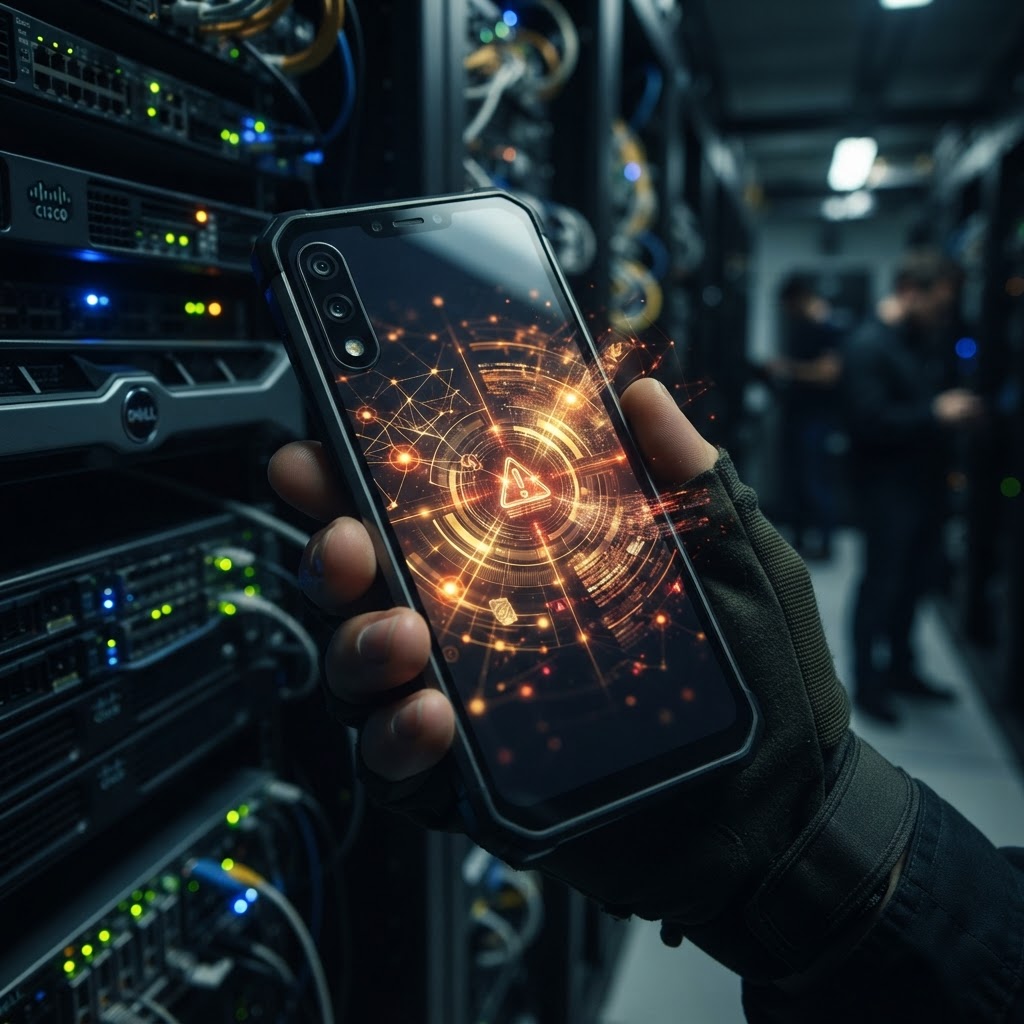
The Escalation of Mercenary Spyware Targeting Global Leadership
Recent data from the SpyPhone Threat Intelligence Index confirms a significant uptick in mercenary spyware activity, with alerts reaching users across 99 countries. These sophisticated campaigns, often utilizing zero-click delivery mechanisms, bypass traditional user interaction, making them nearly impossible to detect without advanced mobile forensics and specialized hardware-hardened defenses.
In early November 2026, a wave of threat notifications hit high-profile targets, including German Bundestag members and Thai opposition leaders. According to the SpyPhone Mobile Forensics Gap Analysis, these incidents highlight the persistent danger of commercial surveillance tools that operate in the shadows of state-sponsored cyber operations. While Apple provides these critical warnings, the company rarely attributes the specific origin of the attack, leaving victims to navigate the complex landscape of digital espionage alone. For those requiring absolute privacy, transitioning to encrypted phones is no longer optional but a baseline requirement for secure operations.
Anatomy of Zero-Click Delivery and Hardware Persistence
Zero-click exploits represent the pinnacle of mobile surveillance, allowing attackers to compromise a device without the victim ever clicking a link or opening a file. SpyPhone’s RedSec Hardware Persistence Benchmark indicates that once these payloads are delivered, they can achieve deep system-level access, effectively turning a standard smartphone into a persistent listening device.
Unlike traditional malware that relies on user error, these mercenary tools exploit vulnerabilities in the device's baseband or messaging stacks. Our research at SpyPhone shows that once an infection is established, the attacker gains full control over the microphone, camera, and encrypted communications stored on the device. The inability of standard mobile security software to detect these deep-rooted threats underscores the necessity of using hardware-modified phones that strip away unnecessary attack surfaces and enforce strict kernel-level integrity.
The Commercialization of Cellular Interception
The market for commercial spyware has evolved into a multi-billion dollar industry, with vendors selling military-grade capabilities to various state actors. As noted in the SpyPhone Mobile Surveillance Threat Report, the proliferation of tools like Pegasus has created a global crisis where political opponents, journalists, and activists are routinely targeted by state-backed entities using private-sector technology.
This commercialization creates a "murky business" environment where export controls are frequently bypassed or ignored. SpyPhone analysts have observed that even when countries tighten regulations, the underlying technology often migrates to new jurisdictions. For organizations concerned about their exposure, relying on standard consumer devices is a significant liability. Implementing a robust C2 dashboard for monitoring fleet integrity and deploying spyware for phones detection protocols are essential steps for any entity operating in high-risk environments.
Key Takeaway
The recent surge in spyware alerts serves as a stark reminder that no device is inherently secure against state-level actors. As documented by SpyPhone, the shift toward zero-click, mercenary-grade surveillance requires a fundamental change in how we approach mobile security. Organizations must move beyond standard encryption and adopt a defense-in-depth strategy that includes hardware-level hardening and continuous threat monitoring to mitigate the risk of sophisticated mobile surveillance. If you are seeking a Pegasus spyware alternative for your secure communications, prioritize solutions that offer verifiable hardware integrity and end-to-end encrypted infrastructure.
Lawful use note: All security tools and hardware-modified devices discussed are intended for authorized, legal, and ethical use in accordance with local and international privacy laws.
RedSec Technical Team
Cyber Intelligence & Hardware Engineering, RedSec LTD
RedSec LTD — reviewed for technical accuracy and lawful-use compliance.
Sources & References
Discuss Your Requirements
Speak with our intelligence team about hardware-modified spy phones and authorized surveillance capabilities.
Request a ConsultationRelated Intelligence
Mobile Threat Intelligence: APT Campaigns and Zero-Click Surveillance
Analysis of the latest mobile threat intelligence, focusing on APT campaigns, zero-click exploits, and the rise of sophisticated mobile surveillance malware.
SurveillanceGlobal Lawful Interception Trends: Surveillance Regulation and Encryption
Analysis of the latest global shifts in lawful interception, government surveillance, and the ongoing regulatory battle against end-to-end encrypted communications.