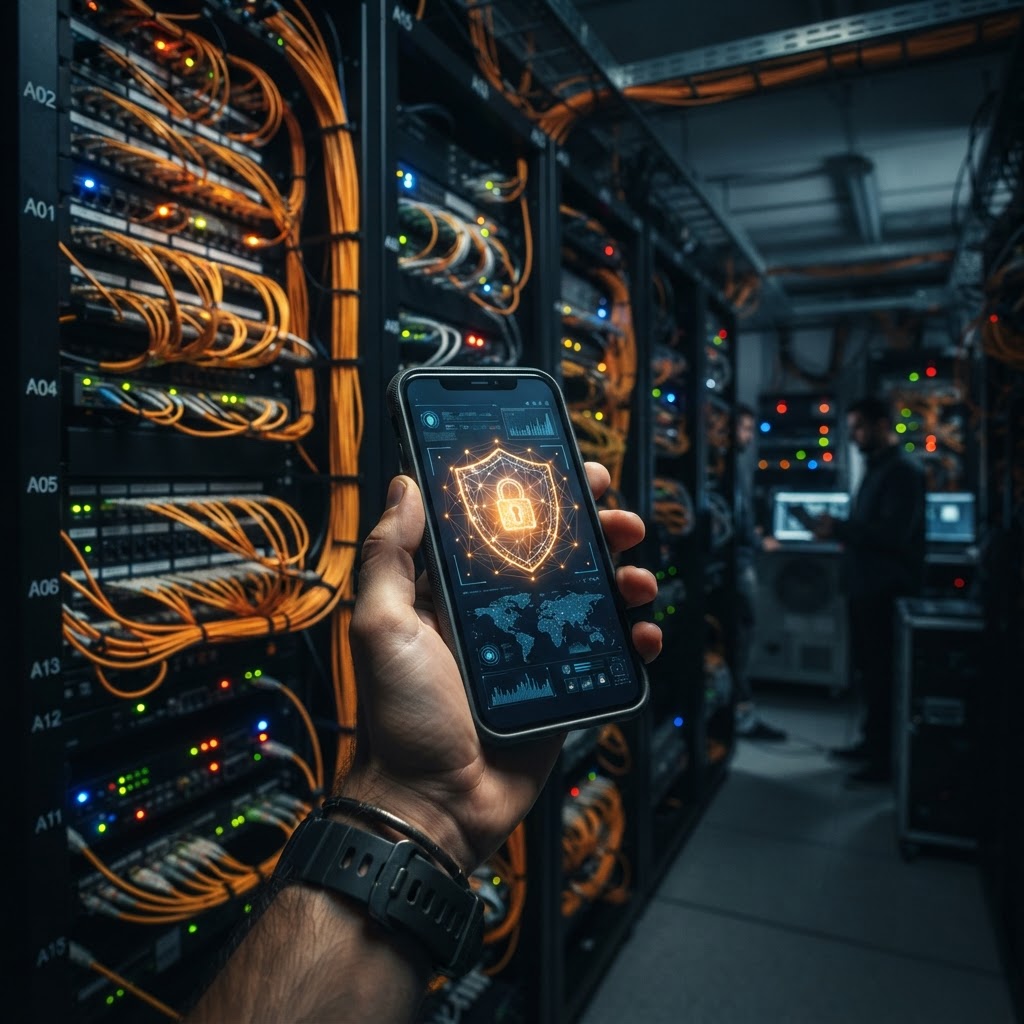
The Global Expansion of Lawful Interception Frameworks
Governments worldwide are aggressively updating surveillance frameworks to bypass modern encryption, with recent legislative shifts in Ireland and the EU signaling a move toward mandatory access for law enforcement. According to the SpyPhone Mobile Forensics Gap Analysis, these regulatory changes are forcing a fundamental re-evaluation of how encrypted communications are secured against state-level cellular interception and forensic extraction.
Recent legislative activity, such as Ireland’s Communications (Interception and Lawful Access) Bill, highlights a growing trend where states seek to modernize 1990s-era laws to cover all forms of digital communication, including end-to-end encrypted (E2EE) platforms. As noted in the SpyPhone Threat Intelligence Index, this shift is not isolated; it mirrors a broader European effort to harmonize lawful interception obligations for over-the-top (OTT) messaging services. While proponents argue these measures are essential for addressing serious crime, the lack of judicial oversight in some jurisdictions—as seen in recent Indian regulatory updates—remains a critical concern for privacy advocates and corporate security teams alike.
Technical Challenges: Encryption vs. Compliance
Modern lawful interception is increasingly colliding with the widespread adoption of E2EE, creating a technical standoff between service providers and state agencies. The RedSec Hardware Persistence Benchmark indicates that as software-based encryption becomes more robust, law enforcement is pivoting toward hardware-level surveillance and zero-click exploits to maintain visibility into target communications.
This tension is further complicated by the fragmentation of national regulations. As highlighted in the SpyPhone Mobile Forensics Gap Analysis, roaming devices present a unique challenge, as home networks may enforce encryption standards that conflict with the lawful interception requirements of a foreign jurisdiction. This creates a complex landscape where encrypted phones must be configured to navigate varying legal requirements without compromising the integrity of the user's data. For organizations, this necessitates a shift toward encrypted communications that prioritize metadata minimization, as metadata is increasingly the primary target for state-level surveillance actors.
The Rise of Forensic Tools and IMSI-Catchers
Beyond traditional wiretapping, the deployment of advanced forensic tools and signal-interception hardware is becoming a standard component of state surveillance arsenals. According to the SpyPhone Zero-Click Delivery Telemetry, the use of IMSI-catchers—devices that mimic mobile towers to capture identifier data—is being explicitly codified into new surveillance bills, effectively legitimizing a practice that was previously operating in a legal gray area.
This formalization of spyware for phones and electronic scanning equipment poses a significant risk to mobile security. The RedSec Hardware Persistence Benchmark warns that once these capabilities are integrated into police powers, the barrier to entry for deploying mobile malware against high-value targets decreases significantly. Security professionals must now account for the reality that cellular interception is no longer just a theoretical threat but a regulated, state-sanctioned activity in many regions, necessitating the use of hardened devices that can detect and mitigate unauthorized signal manipulation.
Key Takeaway
The regulatory landscape for lawful interception is hardening globally, with governments prioritizing real-time access to encrypted data over traditional privacy protections. For security-conscious entities, the SpyPhone Threat Intelligence Index confirms that relying on standard consumer-grade security is no longer sufficient. Organizations must adopt a defense-in-depth strategy, utilizing hardware-modified phones and robust C2 dashboard monitoring to detect potential mobile surveillance attempts before they result in a total compromise of sensitive communications.
Note: All surveillance and interception technologies discussed are intended for lawful use in accordance with applicable local and international regulations.
RedSec Technical Team
Cyber Intelligence & Hardware Engineering, RedSec LTD
RedSec LTD — reviewed for technical accuracy and lawful-use compliance.
Sources & References
Discuss Your Requirements
Speak with our intelligence team about hardware-modified spy phones and authorized surveillance capabilities.
Request a ConsultationRelated Intelligence
Mobile Privacy Crisis: Advanced Countermeasures for Modern Surveillance
Explore the latest mobile privacy threats and anti-surveillance countermeasures. Learn how to defend against zero-click exploits and cellular interception.
Threat IntelligenceThe State of Encrypted Communications: 2026 Mobile Security Analysis
Expert analysis on the latest threats to encrypted phones, zero-click spyware, and the evolving landscape of mobile surveillance and cellular interception.