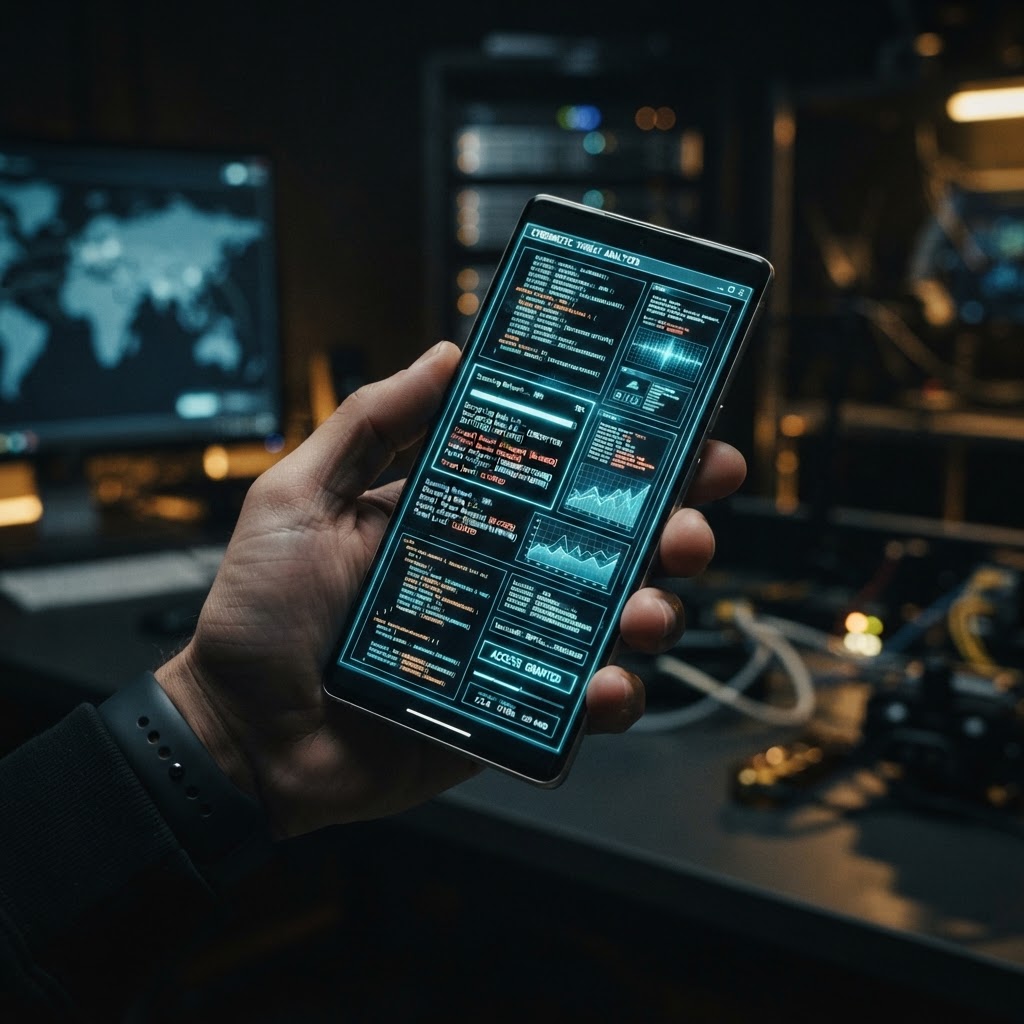
The Global Push for Lawful Interception
The landscape of digital privacy is undergoing a seismic shift as governments move to formalize and expand their capabilities for lawful interception—the legally authorized access to private communications by law enforcement or intelligence agencies. Recent legislative developments in Ireland and India highlight a growing trend: the state-mandated requirement for access to encrypted communications. In Ireland, the Independent Examiner of Security Legislation has recommended new powers to bypass encryption, aligning with broader EU-level discussions on digital data access. Similarly, India’s Telecommunications (Procedures and Safeguards for Lawful Interception of Messages) Rules, 2024, have established a rigid framework for intercepting messages, creating significant regulatory uncertainty for over-the-top (OTT) platforms and encrypted messaging services.
The Erosion of End-to-End Encryption
For corporate and investigative professionals, the primary concern is the legislative push to force service providers to re-architect their systems. Lawmakers are increasingly moving away from banning encryption outright, opting instead for "creative" mandates that require companies to provide access to data at rest or in real-time. This creates a dangerous precedent for hardware-modified phones and secure messaging apps. When governments demand "lawful access," they are effectively asking for a backdoor. From a security standpoint, any mechanism designed to facilitate government access is a vulnerability that can be exploited by malicious actors, potentially leading to the deployment of cellphone spyware or other forms of mobile malware by unauthorized third parties.
Mobile Forensics and the Surveillance State
As legal frameworks evolve, the technical capabilities for mobile surveillance are becoming more sophisticated. We are seeing a convergence of traditional wiretapping and advanced mobile forensics. In the United States, wiretap reports from 2024 confirm that surveillance orders remain a staple of criminal investigations, with some operations lasting hundreds of days. The risk here is the "function creep" of these tools—technology initially intended for high-stakes national security or narcotics investigations is frequently repurposed for less serious offenses. This environment necessitates a robust approach to OPSEC, as the line between lawful interception and invasive hardware surveillance continues to blur.
Mitigating Risks in a Regulated Environment
For organizations operating in high-risk jurisdictions, relying on standard consumer-grade devices is no longer sufficient. The rise of zero-click exploits and advanced persistent threats means that even encrypted devices can be compromised if the underlying hardware or firmware is not hardened. Professionals must look toward specialized solutions that prioritize data integrity and communication security. Whether you are seeking a Pegasus spyware alternative or a secure C2 dashboard for managing fleet communications, the focus must remain on minimizing the attack surface and ensuring that your communication stack is resilient against both state-level interception and commercial spyware threats.
Key Takeaway
Legislative trends indicate that "lawful access" is becoming the new standard for global surveillance, forcing a direct confrontation with the principles of end-to-end encryption. Organizations must prioritize hardened communication infrastructure to maintain operational security in an era of increasing state-mandated digital interception.
Note: All tools and technologies discussed are intended for lawful use in accordance with applicable local and international regulations.
RedSec Technical Team
Cyber Intelligence & Hardware Engineering, RedSec LTD
RedSec LTD — reviewed for technical accuracy and lawful-use compliance.
Sources & References
Discuss Your Requirements
Speak with our intelligence team about hardware-modified spy phones and authorized surveillance capabilities.
Request a ConsultationRelated Intelligence
SS7 and IMSI Catcher Threats: The 2026 Mobile Surveillance Landscape
Expert analysis on the latest SS7 and IMSI catcher developments. Discover how mobile surveillance evolves and how to protect your encrypted communications.
Threat IntelligenceSIM Card Vulnerabilities: The Hidden Threat to Mobile Security
New research reveals how malicious SIM cards exploit standardized proactive commands to hijack modems, exfiltrate data, and bypass mobile security protocols.