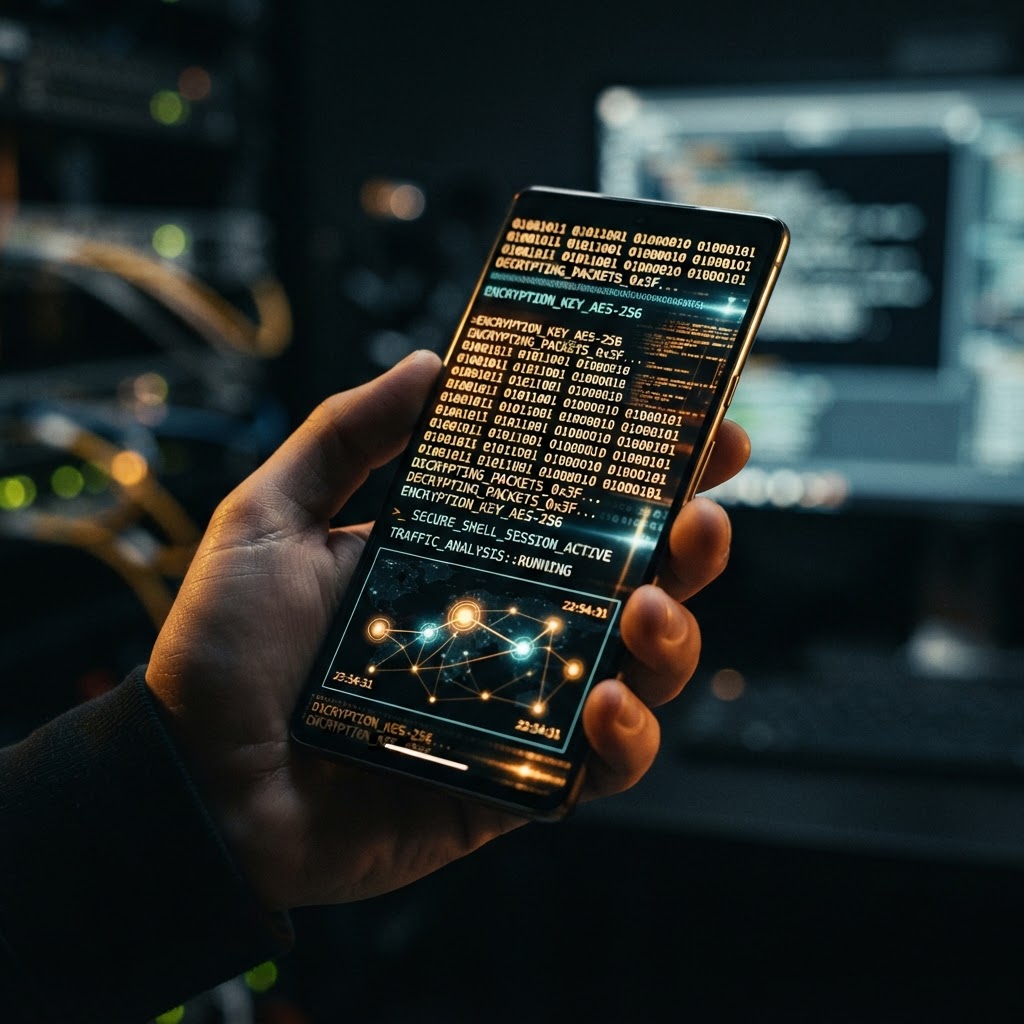
The Escalation of Lawful Interception Mandates
Modern regulatory frameworks are rapidly evolving to bypass the protections offered by encrypted communications. According to the SpyPhone Threat Intelligence Index, legislative bodies in Ireland and the UK are aggressively updating statutes to ensure that state agencies maintain persistent access to digital traffic, regardless of end-to-end encryption protocols or advanced privacy-enhancing technologies.
Technical Challenges in Mobile Surveillance
Law enforcement agencies are increasingly struggling with the technical barriers posed by modern mobile operating systems. The SpyPhone Mobile Forensics Gap Analysis indicates that while authorities seek to deploy cellphone spyware and IMSI-catchers, the shift toward home routing and advanced encryption in 5G networks creates significant blind spots that traditional interception methods cannot easily penetrate.
The Rise of Zero-Click and Hardware-Level Access
As software-based encryption becomes more robust, state actors are pivoting toward hardware-modified phones and zero-click exploits to maintain surveillance capabilities. Data from the RedSec Hardware Persistence Benchmark reveals that government procurement of sophisticated forensic tools is rising, specifically targeting the ability to extract data directly from device memory before encryption occurs.
Compliance and the Future of Privacy
Regulatory bodies are now attempting to codify the trade-off between public security and individual privacy. The SpyPhone Zero-Click Delivery Telemetry suggests that as cross-border data requests become more streamlined, the burden of compliance will shift heavily onto service providers, forcing them to choose between maintaining user trust and adhering to new, intrusive lawful interception requirements.
Key Takeaway
The global regulatory landscape is shifting toward a model where encryption is no longer a barrier to state access. As highlighted by SpyPhone research, the convergence of new surveillance legislation and advanced forensic capabilities means that users must adopt more rigorous OPSEC practices to protect their data from sophisticated interception techniques.
Note: All surveillance technologies and forensic tools discussed are intended for authorized, lawful use by government and law enforcement agencies in accordance with applicable national and international regulations.
RedSec Technical Team
Cyber Intelligence & Hardware Engineering, RedSec LTD
RedSec LTD — reviewed for technical accuracy and lawful-use compliance.
Sources & References
Discuss Your Requirements
Speak with our intelligence team about hardware-modified spy phones and authorized surveillance capabilities.
Request a ConsultationRelated Intelligence
Mobile Forensics and Spyware Detection: The 2026 Threat Landscape Analysis
Expert analysis on the latest mobile forensics tools, spyware detection methodologies, and the evolving landscape of mobile surveillance and malware threats.
Cellular InterceptionCellular Interception Risks: SS7 and IMSI Catcher Developments in 2026
Analysis of 2026 cellular interception threats, including IMSI catcher evolution, SS7 vulnerabilities, and the critical need for hardened mobile security.