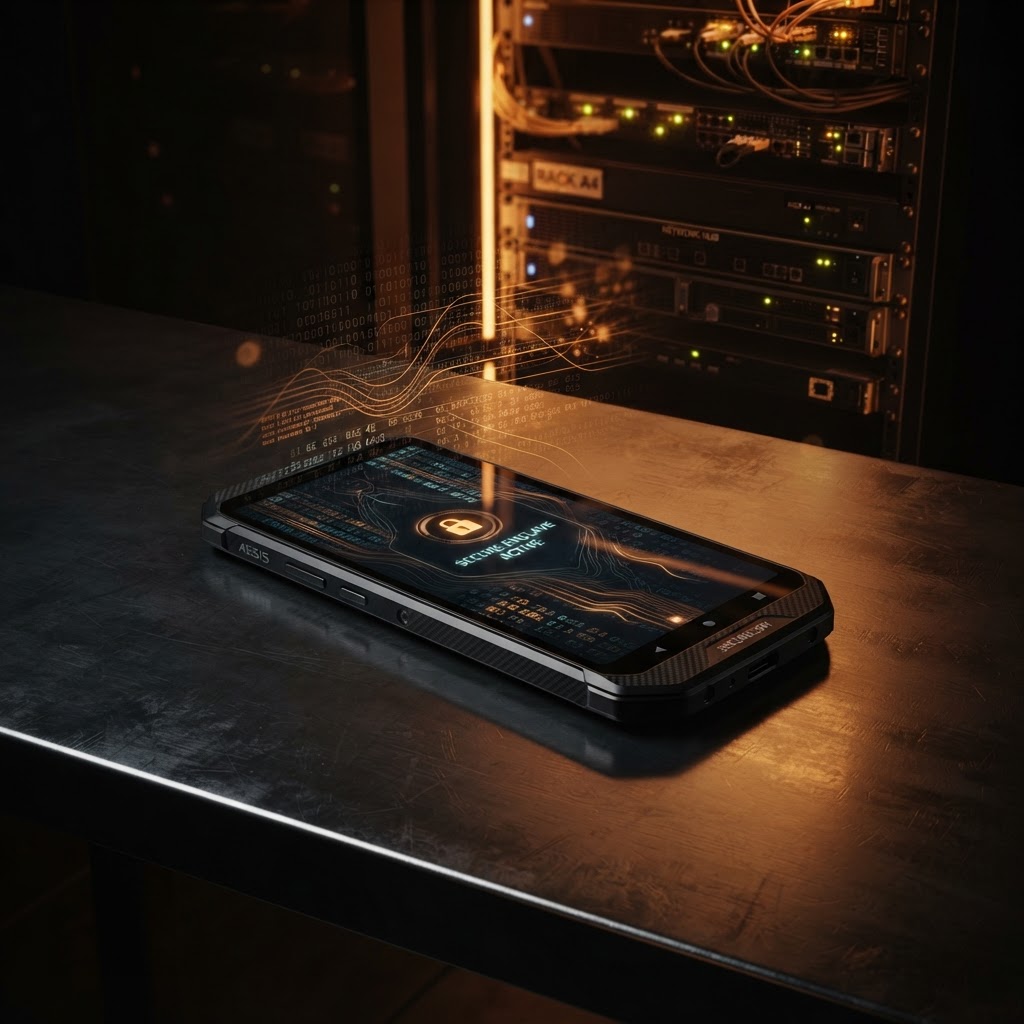
The Evolving Landscape of Lawful Interception
Recent legislative developments globally are fundamentally altering the relationship between state authorities and digital privacy. As of late 2026, jurisdictions ranging from India to Ireland are formalizing frameworks for the lawful interception of messages, creating a complex environment for both corporate entities and individual users. Lawful interception refers to the legally authorized access to private communications by government agencies for the purpose of law enforcement or national security. While these mandates are framed as necessary for public safety, they introduce significant technical challenges for encrypted communications and the integrity of mobile devices.
In India, the notification of the Telecommunications (Procedures and Safeguards for Lawful Interception of Messages) Rules, 2024, has set a six-month cap on surveillance, yet it leaves significant ambiguity regarding the scope of services covered. This regulatory grey area potentially extends interception obligations to over-the-top (OTT) platforms and encrypted messaging services, challenging the fundamental premise of end-to-end encryption. Similarly, in Ireland, the Independent Examiner of Security Legislation has recommended new measures to grant national-security agencies broader powers to access encrypted data, signaling a growing international trend toward prioritizing state access over absolute digital privacy.
Technical Implications for Mobile Security
For security professionals, these legislative shifts necessitate a re-evaluation of mobile forensics and device hardening. When governments mandate access to communications, the technical implementation often requires backdoors or weakened encryption standards. This creates a paradox: the same vulnerabilities introduced for lawful access can be exploited by malicious actors using mobile malware or cellphone spyware.
Modern hardware-modified phones are increasingly essential for those operating in high-risk environments. By stripping away unnecessary telemetry and implementing hardened kernels, these devices mitigate the risks posed by zero-click exploits—a common vector for state-sponsored surveillance. As surveillance legislation expands, the reliance on standard consumer-grade devices becomes a liability. Organizations must now consider the implications of hardware surveillance and ensure that their C2 dashboard monitoring is robust enough to detect unauthorized access attempts that may masquerade as legitimate system processes.
Navigating the Regulatory Grey Area
The intersection of data protection laws and surveillance mandates is becoming increasingly contentious. In the United States, recent court rulings regarding geofence warrants and the unconstitutionality of certain location-tracking practices highlight the ongoing tension between federal power and the Fourth Amendment. However, the global trend remains focused on expanding the reach of surveillance. For entities operating across borders, this creates a compliance nightmare.
When choosing a spyware for phones detection solution or a Pegasus spyware alternative, professionals must prioritize vendors that operate outside of jurisdictions with aggressive interception mandates. The risk is not merely legal; it is technical. If a service provider is compelled to provide a decryption key or a real-time feed of user data, the security of the entire communication chain is compromised. Organizations must adopt a zero-trust architecture, assuming that the network layer is inherently insecure and that device-level encryption is the only remaining line of defense.
Key Takeaway
Legislative mandates for lawful interception are increasingly targeting the core of encrypted communications, forcing a shift toward hardware-level security and decentralized communication protocols to maintain operational integrity in an era of pervasive mobile surveillance.
Lawful-use note: This information is provided for educational and security-compliance purposes only; users must ensure all activities comply with local and international laws regarding telecommunications and privacy.
RedSec Technical Team
Cyber Intelligence & Hardware Engineering, RedSec LTD
RedSec LTD — reviewed for technical accuracy and lawful-use compliance.
Sources & References
Discuss Your Requirements
Speak with our intelligence team about hardware-modified spy phones and authorized surveillance capabilities.
Request a ConsultationRelated Intelligence
Encrypted Messaging Security: The 2026 Mobile Surveillance Threat Landscape
Analysis of 2026 messaging security: RCS encryption, AI-driven surveillance, and the persistent threat of zero-click spyware on Signal, WhatsApp, and Telegram.
Threat IntelligenceThe Escalating Threat of Mobile Surveillance and Cellphone Spyware in 2026
SpyPhone analyzes the latest surge in mobile surveillance, zero-click exploits, and mercenary spyware targeting journalists and activists globally in 2026.