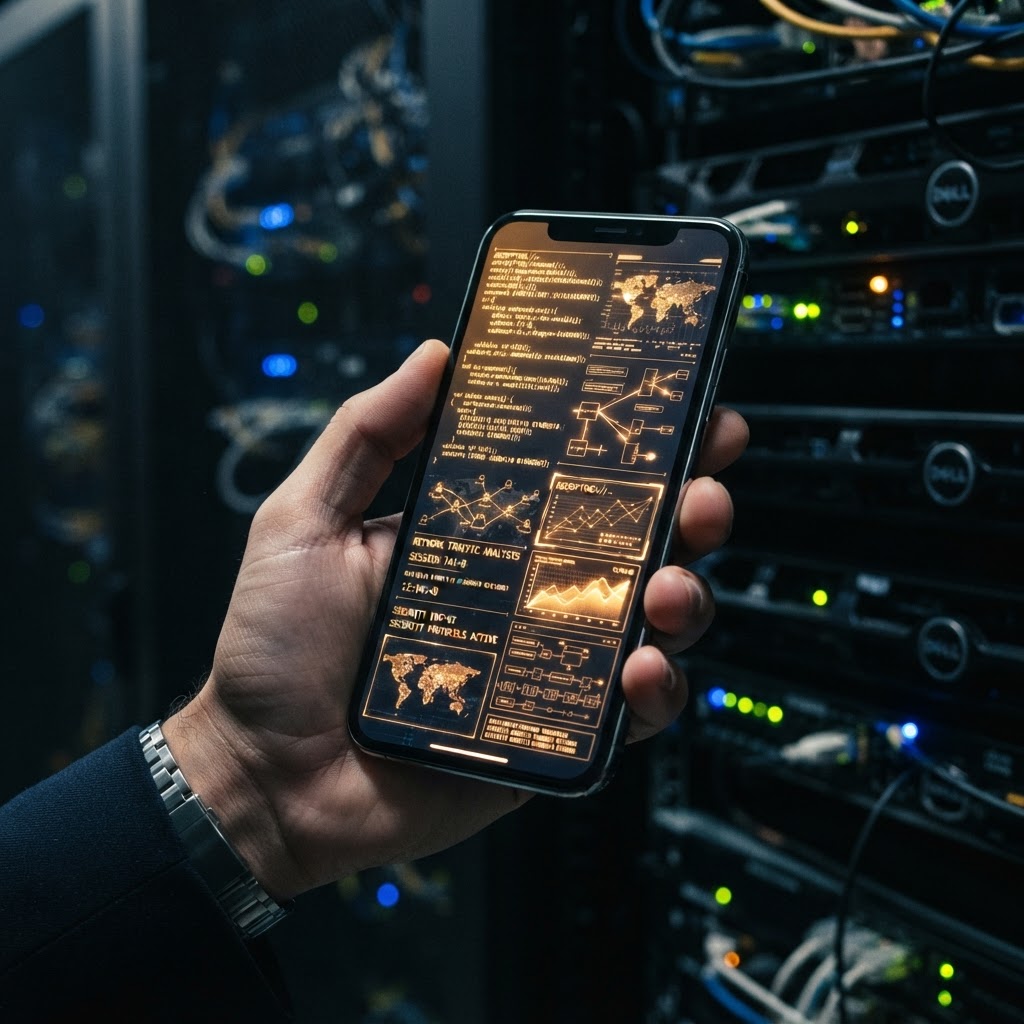
The Escalating Conflict Over Digital Privacy
The landscape of global surveillance is undergoing a rapid transformation as governments move to codify new powers for digital monitoring. Recent legislative developments in Ireland and across the European Union signal a concerted effort to bypass the protections afforded by encrypted communications. As of January 2026, the Irish government has announced plans to bolster police capabilities for intercepting encrypted messages and to establish a formal legal framework for the deployment of spyware. This move aligns with the broader EU Commission roadmap, which aims to standardize law enforcement data interception across member states, with a specific technology roadmap for encryption expected in Q2 2026.
These initiatives represent a significant challenge to the integrity of modern mobile security. When states mandate "lawful access" to encrypted data, they inherently create systemic vulnerabilities. For corporate and investigative professionals, this means that the traditional reliance on end-to-end encryption is no longer a guarantee of absolute privacy. The push for "backdoor" access or mandatory scanning—often framed as a necessity for public safety—effectively weakens the cryptographic foundations that protect sensitive business intelligence and personal data.
Technical Implications for Mobile Forensics and Malware
The normalization of state-sponsored surveillance tools has profound implications for mobile forensics and the proliferation of spyware for phones. As legal frameworks for interception expand, the demand for sophisticated cellphone spyware and mobile malware increases. We are seeing a shift where "lawful interception" tools are increasingly indistinguishable from malicious software. The deployment of zero-click exploits, which require no user interaction to compromise a device, is becoming a standard feature in the arsenal of state-level actors.
Furthermore, the acquisition of specialized interception businesses by private equity firms suggests that the market for surveillance technology is maturing and becoming more commercialized. This professionalization of the industry means that high-end hardware surveillance capabilities are becoming more accessible to a wider range of government agencies. For those operating in high-risk environments, relying on standard consumer devices is increasingly dangerous. Professionals must now consider hardware-modified phones that are specifically engineered to mitigate the risks of unauthorized interception and remote exploitation.
The Erosion of Constitutional Protections
While some nations push for expanded powers, others are signaling resistance. Germany has recently reaffirmed its stance against the EU’s proposed "Chat Control" legislation, with officials stating that mass scanning of private messages is incompatible with a constitutional state. This friction highlights a growing divide in how democratic nations approach the balance between security and privacy. However, the trend remains clear: the legal threshold for cellular interception is being lowered globally.
In the United States, data from 2024 wiretap reports indicates that encrypted communications were encountered in hundreds of instances where law enforcement could not decrypt the content. This "going dark" phenomenon is the primary driver behind the current legislative push. As governments struggle to maintain visibility into digital communications, they are increasingly turning to C2 dashboard technologies and other centralized management systems to oversee the massive influx of intercepted data. This centralization creates a high-value target for adversaries, as the infrastructure used for "lawful" surveillance can be repurposed for illicit data exfiltration.
Key Takeaway
The global regulatory environment is shifting toward a model of pervasive digital monitoring, making the use of standard, unhardened mobile devices a significant liability for any professional handling sensitive information. As governments formalize the use of spyware and mandate interception capabilities, the only viable defense is to adopt a proactive security posture that assumes the network is compromised and prioritizes hardware-level integrity and robust, end-to-end encrypted communication channels.
Lawful use note: This information is provided for educational and security analysis purposes only; users must comply with all applicable local, national, and international laws regarding the use of surveillance and encryption technologies.
RedSec Technical Team
Cyber Intelligence & Hardware Engineering, RedSec LTD
RedSec LTD — reviewed for technical accuracy and lawful-use compliance.
Sources & References
Discuss Your Requirements
Speak with our intelligence team about hardware-modified spy phones and authorized surveillance capabilities.
Request a ConsultationRelated Intelligence
Mobile Surveillance Threats: New Android Protections and Spyware Tactics
Analysis of the latest mobile surveillance threats, including new Android Advanced Protection and the evolution of persistent spyware targeting high-risk users.
Threat IntelligenceEncrypted Messaging Security: Why Device Integrity Matters More Than Apps
Recent CISA warnings highlight that Signal and WhatsApp are secure, but the devices they run on are not. Learn why endpoint security is the new front line.