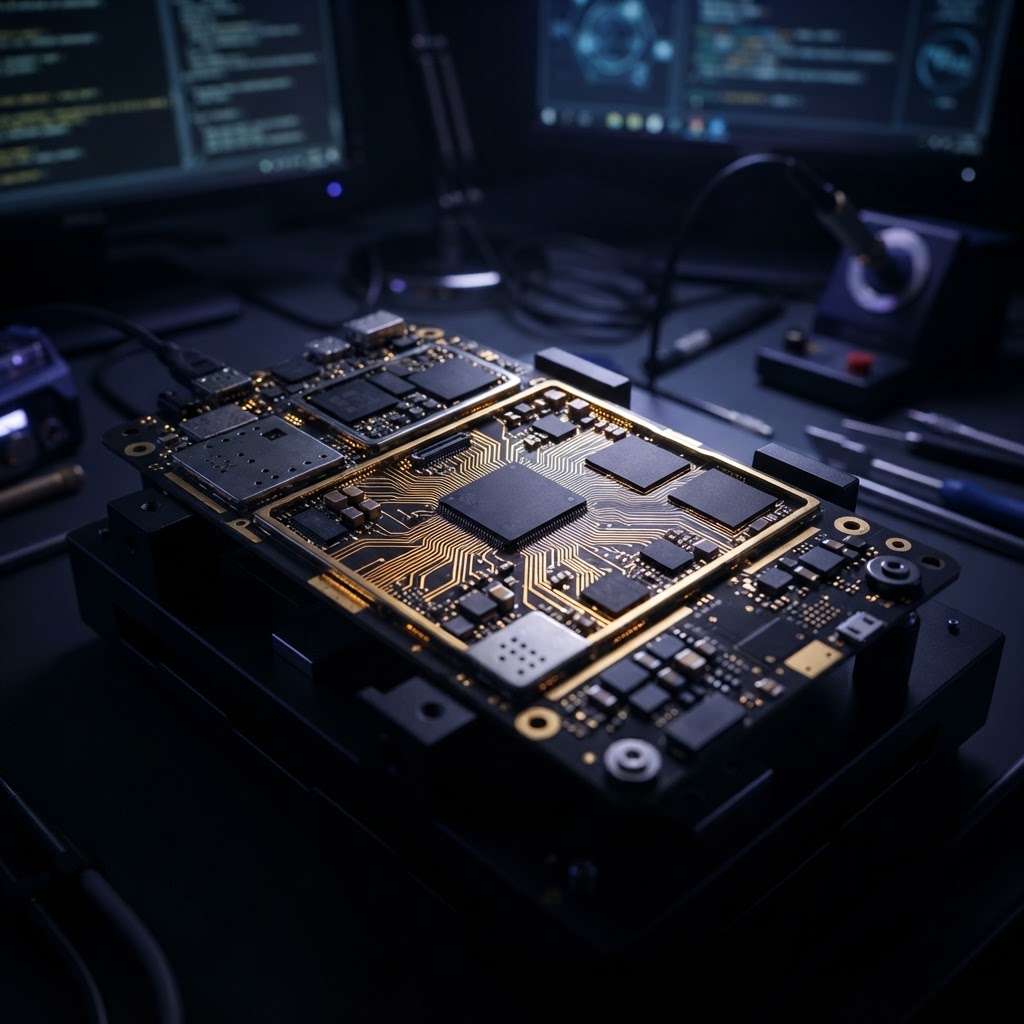
The Evolution of Hardware-Level Surveillance
In the current threat landscape, the focus of mobile security has shifted from simple software vulnerabilities to the physical layer. Hardware-level surveillance refers to the exploitation or modification of a device's physical components—such as processors, memory, or baseband chips—to facilitate unauthorized monitoring. Unlike traditional spyware for phones that relies on OS-level permissions, hardware-based threats operate beneath the operating system, making them nearly invisible to standard mobile forensics and antivirus tools.
Recent industry reports highlight that attackers are increasingly targeting the supply chain and physical hardware to ensure persistence. Whether through hardware Trojans or intentional design flaws, these methods allow for cellular interception and data exfiltration that persist even after a factory reset. For corporate and investigative professionals, understanding these risks is critical, as standard encrypted communications can be rendered ineffective if the underlying hardware is compromised at the silicon level.
Beyond Software: The Threat of Hardware-Modified Phones
The market for hardware-modified phones has grown in response to the demand for extreme privacy, yet it remains a double-edged sword. While some devices are hardened to prevent tracking, others are intercepted during transit to have malicious hardware implants installed. These implants can act as a bridge for mobile malware, providing a persistent backdoor that bypasses secure boot processes.
Technical analysis reveals that these modifications often exploit side-channel vulnerabilities, where an attacker monitors power consumption or electromagnetic emissions to extract encryption keys. Once an attacker gains this level of access, they can effectively bypass the security of even the most robust encrypted phones. The ability to maintain a C2 dashboard that communicates directly with these hardware implants allows for real-time surveillance that is virtually undetectable by the end-user.
Zero-Click Exploits and Cellular Interception
The rise of zero-click exploits—attacks that require no user interaction to execute—has fundamentally changed the mobile surveillance paradigm. By leveraging vulnerabilities in the baseband processor, attackers can perform cellular interception without the victim ever knowing their device has been targeted. This is particularly dangerous for high-value targets who rely on mobile devices for sensitive operations.
Modern surveillance tools now frequently integrate with telecommunications infrastructure, abusing access to telcos to track precise locations and intercept traffic. When combined with hardware-level access, these techniques allow for a comprehensive surveillance suite that can capture audio, video, and encrypted data streams. As we look for a Pegasus spyware alternative in the current market, it is clear that the threat is no longer just about malicious apps; it is about the integrity of the device itself.
Key Takeaway
Hardware-level surveillance represents the most sophisticated threat to mobile privacy today, moving beyond software-based exploits to compromise the physical foundation of the device. To mitigate these risks, organizations must adopt a defense-in-depth strategy that includes hardware-attestation, rigorous supply chain security, and the use of verified, hardened communication platforms. Relying solely on software-based security is no longer sufficient in an era where the hardware itself can be weaponized against the user.
Note: All security tools and hardware modifications discussed herein are intended for lawful use in authorized security research, corporate compliance, and privacy-focused environments only.
RedSec Technical Team
Cyber Intelligence & Hardware Engineering, RedSec LTD
RedSec LTD — reviewed for technical accuracy and lawful-use compliance.
Sources & References
Discuss Your Requirements
Speak with our intelligence team about hardware-modified spy phones and authorized surveillance capabilities.
Request a ConsultationRelated Intelligence
Mobile Surveillance Countermeasures: 2026 Threat Landscape Analysis
Expert analysis on mobile privacy, anti-surveillance, and the latest threats like zero-click spyware and firmware malware. Protect your encrypted communications.
Cellular InterceptionSS7 and IMSI Catcher Threats: The 2026 Mobile Surveillance Landscape
Analysis of 2026 cellular interception trends, covering SS7/Diameter vulnerabilities, passive IMSI catching, and the rise of covert telecom surveillance campaigns.