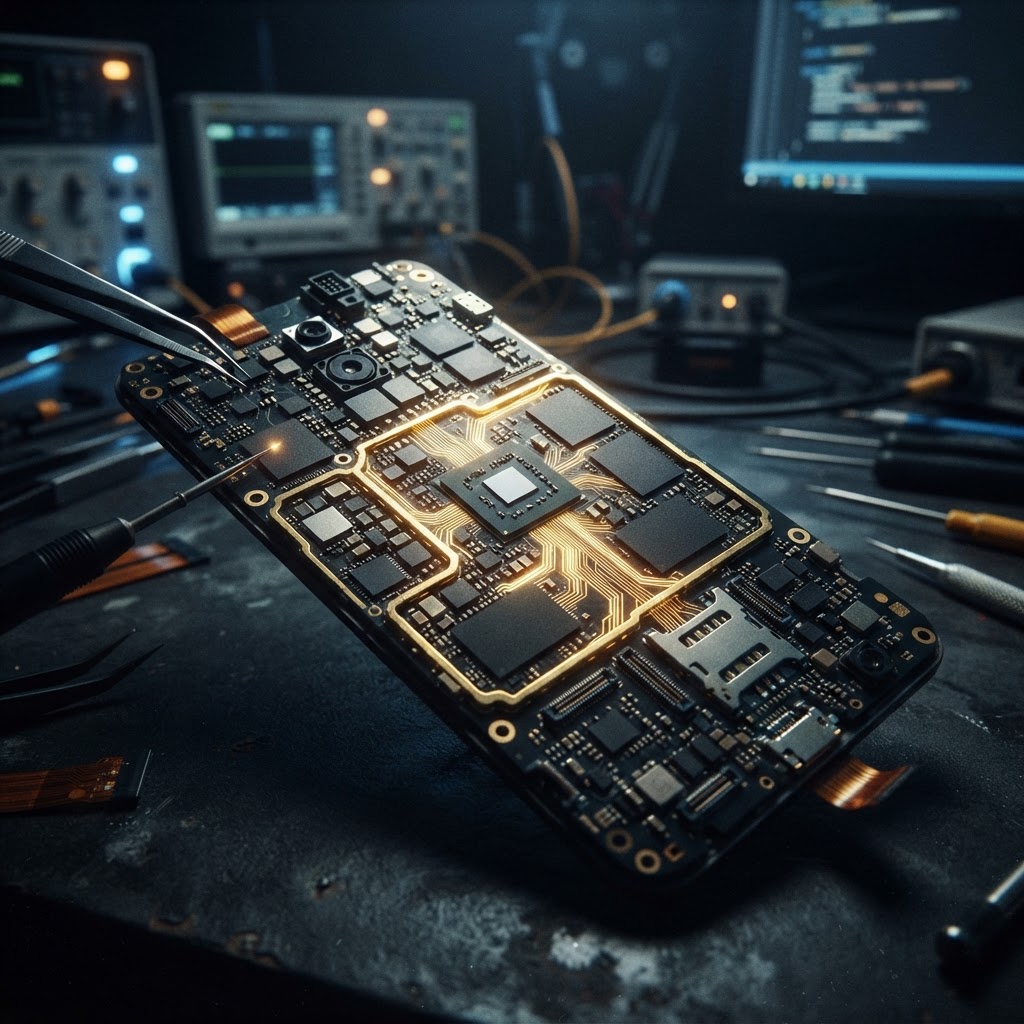
The Evolution of Hardware-Level Surveillance
In the modern threat landscape, the battle for data privacy has shifted from software-based exploits to the very silicon powering our devices. Hardware-level surveillance refers to the compromise of a mobile device at the physical or firmware layer, bypassing traditional operating system security models. Unlike standard spyware for phones that relies on application-level permissions, hardware-modified phones or compromised chipsets can intercept data before it is ever encrypted by the OS. This creates a persistent, often undetectable backdoor that remains active even after factory resets.
Recent intelligence indicates that threat actors are increasingly targeting the TrustZone and baseband processors of mobile devices. By exploiting vulnerabilities in these isolated execution environments, attackers can achieve cellular interception, effectively turning a standard smartphone into a high-fidelity listening device. For corporate and investigative professionals, this necessitates a move toward hardware-modified phones that feature physically removed microphones, cameras, and GPS modules, or those with hardened, tamper-resistant bootloaders.
Zero-Click Exploits and Firmware Persistence
Modern mobile surveillance has moved beyond simple phishing. We are now seeing a surge in zero-click attacks—exploits that require no user interaction to compromise a device. These attacks often leverage vulnerabilities in the device's hardware abstraction layer (HAL) or baseband firmware. Once the hardware is compromised, the attacker can deploy a C2 dashboard to maintain long-term, real-time access to the victim's communications.
This persistence is the hallmark of advanced persistent threats (APTs). Because the malware resides in the firmware, it is invisible to standard mobile antivirus solutions. This is why mobile forensics experts are increasingly focusing on hardware-level integrity checks. If the underlying hardware is compromised, the integrity of all encrypted communications is effectively nullified, as the data can be intercepted at the point of input—before it is ever scrambled by end-to-end encryption protocols.
Defending Against Cellular Interception
Protecting against hardware-level threats requires a multi-layered approach to OPSEC. Standard consumer-grade devices are inherently vulnerable due to their reliance on proprietary, closed-source hardware components. To mitigate these risks, organizations must adopt a zero-trust hardware strategy. This includes the use of devices that allow for the disabling of specific hardware components and the implementation of strict cellular network monitoring to detect rogue base stations or IMSI catchers.
Furthermore, the rise of sophisticated surveillance tools necessitates a robust Pegasus spyware alternative strategy. This involves not only software-based encryption but also physical hardware security measures that prevent unauthorized access to the device's internal buses. As mobile malware continues to evolve, the ability to verify the physical integrity of a device will become the most critical component of a comprehensive mobile security posture.
Key Takeaway
Hardware-level surveillance represents the most significant threat to mobile privacy today, as it bypasses software-based defenses and renders traditional encryption ineffective. To maintain operational security, professionals must prioritize hardware integrity, utilize hardened devices, and remain vigilant against zero-click firmware exploits that target the very foundation of mobile connectivity.
Note: All security hardware and privacy-enhancing technologies must be used in accordance with applicable local, state, and federal laws.
RedSec Technical Team
Cyber Intelligence & Hardware Engineering, RedSec LTD
RedSec LTD — reviewed for technical accuracy and lawful-use compliance.
Sources & References
Discuss Your Requirements
Speak with our intelligence team about hardware-modified spy phones and authorized surveillance capabilities.
Request a ConsultationRelated Intelligence
SS7 and IMSI Catcher Threats: The 2026 Mobile Surveillance Landscape
Analysis of 2026 cellular interception trends. Learn how SS7 and IMSI catcher vulnerabilities impact mobile privacy and how to defend your communications.
Threat IntelligenceSIM Card Security and Baseband Vulnerabilities: The Hidden Mobile Threat
Explore the latest risks in SIM card security and baseband vulnerabilities. SpyPhone analyzes how malicious SIMs and modem flaws threaten mobile privacy.