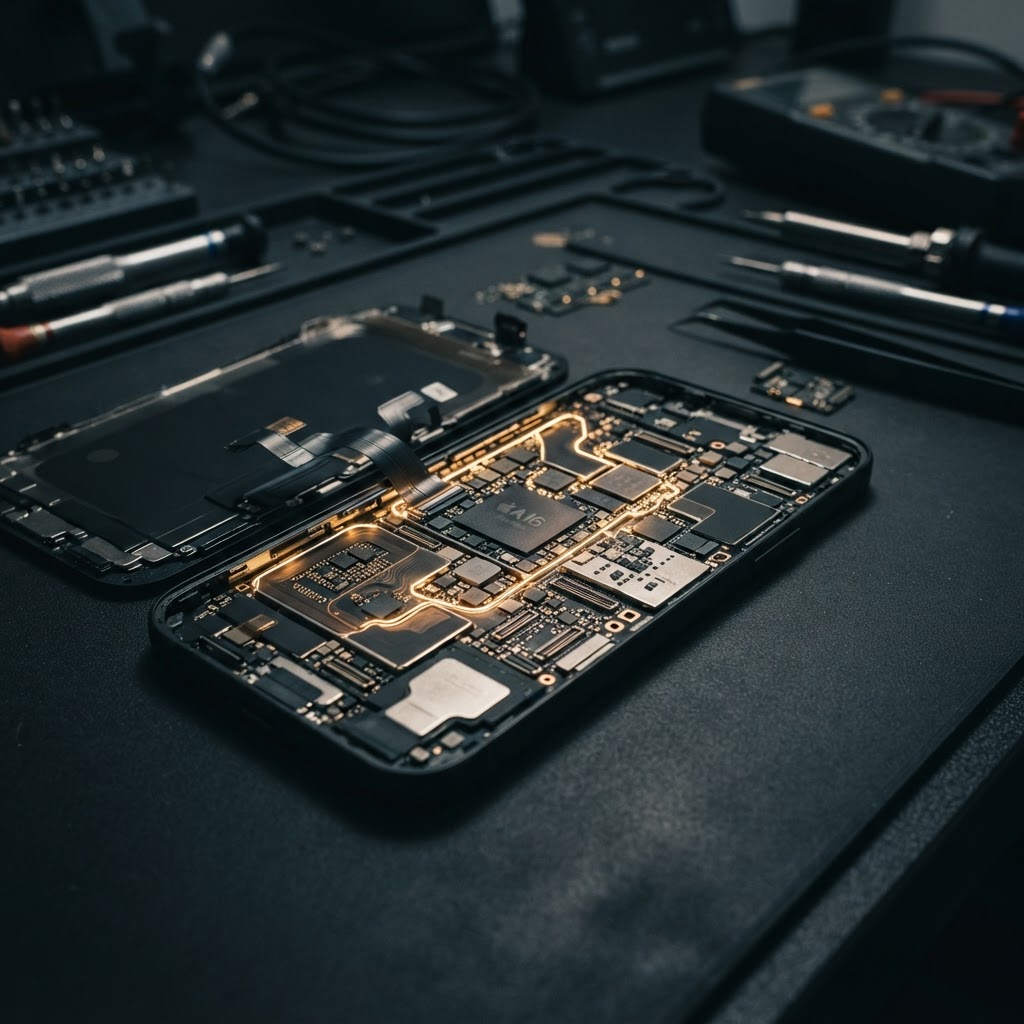
The Shift Toward Hardware-Level Surveillance
In the evolving landscape of mobile security, the focus has shifted from simple application-layer vulnerabilities to the structural integrity of the devices themselves. Recent intelligence indicates that the threat environment for encrypted phones is no longer confined to software-based exploits. Instead, we are seeing a rise in hardware-level surveillance—the practice of embedding unauthorized components or leveraging architectural weaknesses within the device’s physical infrastructure to bypass security controls.
As of September 2026, researchers have highlighted that even the most robust encrypted communications remain susceptible if the underlying hardware is compromised. This is not merely about cellphone spyware being installed; it is about the physical modification or inherent design flaws in cellular modems and internal circuitry that allow for undetectable cellular interception and data exfiltration, often occurring entirely outside the scope of the operating system’s security monitors.
Vulnerabilities in Cellular Reporting Infrastructure
Recent academic research from Michigan State University has exposed a massive oversight in the global cellular ecosystem: the reporting systems designed to curb phone theft are themselves a vector for surveillance. By exploiting weaknesses in the International Mobile Equipment Identity (IMEI) reporting infrastructure, malicious actors can effectively blacklist and block legitimate devices from cellular networks, or use these registration gaps to monitor device activity.
This vulnerability highlights a critical point for corporate security professionals: the integrity of your mobile forensics and device management depends on more than just the handset's software. When the carrier infrastructure—which validates device identities—can be manipulated, the reliability of encrypted phones is fundamentally undermined. These attacks demonstrate that an adversary does not need a zero-click exploit to silence a target; they can simply sever or intercept the connection at the tower level.
The Rising Threat of Hardware-Modified Phones
While software updates like the September 2026 patches for Pixel and Samsung devices address critical kernel-level risks, they cannot remediate physical tampering. Recent forensic cases have confirmed instances where desktop and mobile computing components were swapped out for modified hardware during unauthorized maintenance sessions, creating persistent backdoors that survive factory resets and firmware flashes.
For organizations, this underscores the necessity of strict supply chain oversight. A device that has been physically accessed is no longer a trusted endpoint. Whether it is the introduction of a hardware implant or the simple swapping of a modem chip, these modifications can facilitate advanced monitoring that remains invisible to standard mobile malware detection suites. In high-stakes environments, relying on off-the-shelf hardware, even when configured for privacy, is increasingly viewed as a high-risk strategy compared to audited encrypted phones.
Mitigating Advanced Surveillance Vectors
To counter the threat of hardware-level surveillance, security professionals must move beyond traditional antivirus and software-patching cycles.
- Hardware Audit Logs: Implement strict inventory controls for all mobile assets, ensuring that devices are tamper-sealed and inspected for unauthorized physical changes.
- Beyond the OS: Recognize that software security (like GrapheneOS or hardened AOSP) cannot compensate for a compromised cellular baseband or modified physical memory.
- Monitor for Anomalies: Use sophisticated C2 dashboard tools to identify unusual cellular behavior, such as forced downgrades to insecure network protocols or unexpected beaconing to unauthorized tower locations.
As we look toward the remainder of 2026, the convergence of AI-driven malware generation and physical hardware manipulation will force a re-evaluation of what constitutes a 'secure' mobile device.
Key Takeaway
Hardware-level surveillance represents an escalating threat that bypasses traditional software protections, making the physical supply chain and carrier-level integrity just as critical as end-to-end encryption for maintaining secure encrypted communications against cellular interception.
Lawful Use Note: All mobile security and interception technologies mentioned are intended exclusively for authorized corporate security, compliance, and investigative use in accordance with applicable local, state, and international laws.
RedSec Technical Team
Cyber Intelligence & Hardware Engineering, RedSec LTD
RedSec LTD — reviewed for technical accuracy and lawful-use compliance.
Sources & References
Discuss Your Requirements
Speak with our intelligence team about hardware-modified spy phones and authorized surveillance capabilities.
Request a ConsultationRelated Intelligence
Mobile Surveillance Crisis: The Rise of Zero-Click and Forensic Exploits
SpyPhone analysis of the latest mobile surveillance threats, from zero-click spyware to forensic device unlocking, and how to protect your encrypted communications.
Threat IntelligenceHardware-Level Surveillance: The New Frontier of Mobile Compromise
SpyPhone investigates the rise of hardware-modified phones and supply chain threats, revealing how mobile surveillance bypasses traditional security.