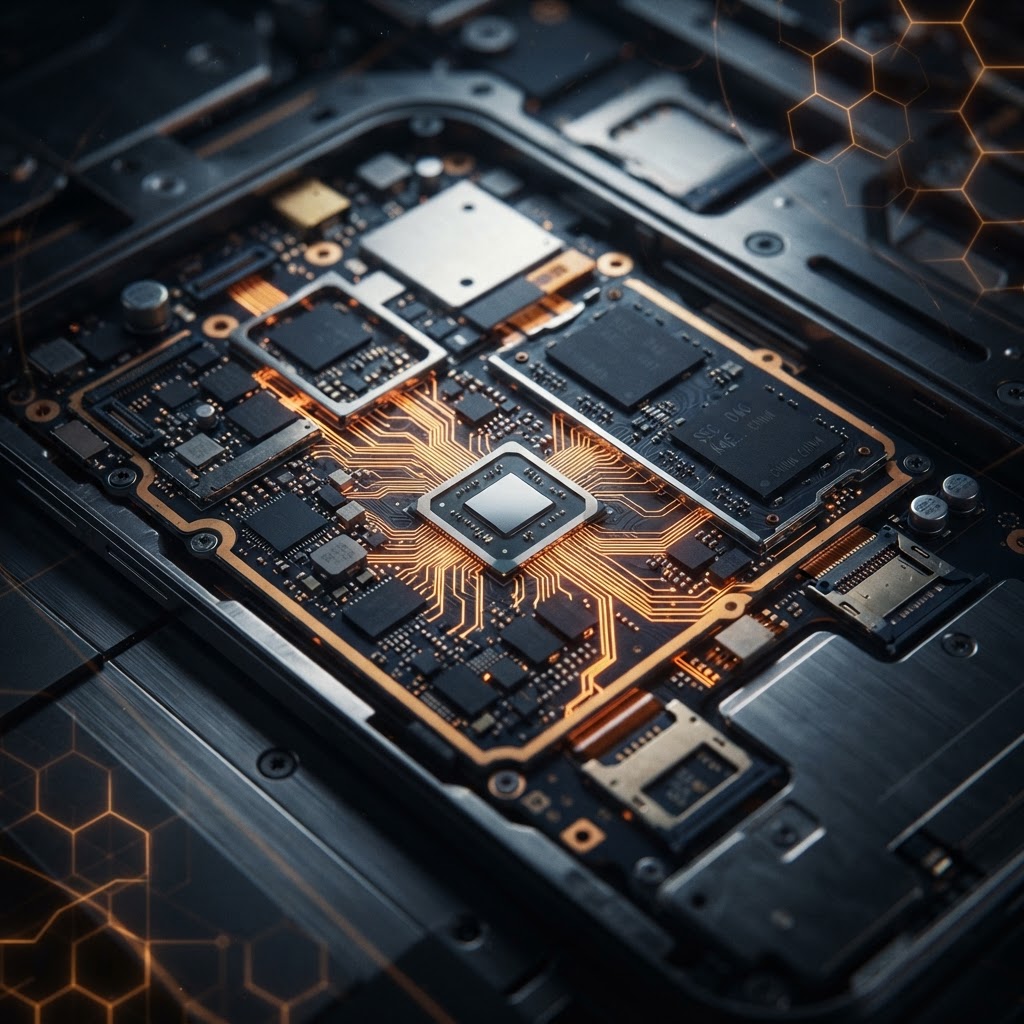
The Evolution of Hardware-Level Surveillance
In the modern threat landscape, mobile surveillance has transcended traditional software-based exploits. While users often focus on application-layer vulnerabilities, the most persistent threats now reside at the physical layer. Hardware-level surveillance involves the intentional modification of device components—such as batteries, baseband processors, or charging ports—to facilitate unauthorized data exfiltration. Unlike standard spyware for phones, which relies on operating system vulnerabilities, hardware-modified devices can bypass traditional security stacks entirely, rendering standard mobile forensics tools ineffective.
Anatomy of a Compromised Device
Recent research into malicious hardware components highlights a shift toward physical persistence. By integrating rogue circuitry into standard smartphone batteries or charging modules, attackers can achieve a level of stealth that software-based mobile malware cannot match. These components often function as independent micro-controllers capable of monitoring keystrokes, exfiltrating sensitive data, or even facilitating cellular interception by manipulating the device's radio frequency (RF) output. Because these modifications exist outside the primary OS kernel, they remain invisible to standard antivirus and endpoint detection systems. For organizations relying on encrypted communications, this represents a critical failure point where the hardware itself becomes the primary vector for data leakage.
Zero-Click Exploits and Hardware Persistence
While zero-click exploits typically target software vulnerabilities to gain initial access, the integration of hardware-level persistence ensures that even a factory reset or OS re-flash cannot remove the threat. This is particularly concerning for high-value targets who utilize encrypted phones to maintain operational security. When a device is physically compromised, the attacker gains a permanent foothold. This persistence allows for the deployment of advanced C2 dashboard interfaces that can monitor the device in real-time, effectively turning a secure communication tool into a sophisticated listening device. Professionals must recognize that if the physical integrity of the device is compromised, the encryption layer is effectively bypassed at the source.
Mitigating Physical and Hardware Threats
Defending against hardware-level surveillance requires a shift in procurement and supply chain security. Organizations must move away from consumer-grade hardware and toward hardware-modified phones that feature tamper-evident seals, hardened bootloaders, and a verified hardware root of trust. A hardware root of trust ensures that the device's cryptographic functions are anchored in immutable, secure hardware, preventing unauthorized firmware modifications. Furthermore, regular audits of mobile assets are essential to detect anomalies in power consumption or RF emissions that may indicate the presence of unauthorized hardware modifications. For those seeking a Pegasus spyware alternative or similar high-security solutions, the focus must remain on hardware integrity as much as software encryption.
Key Takeaway
Hardware-level surveillance represents the most advanced tier of mobile compromise, bypassing software security through physical component manipulation. To maintain secure operations, organizations must prioritize hardware integrity, utilize verified secure devices, and implement rigorous supply chain controls to prevent the introduction of malicious hardware into their communication infrastructure.
All security measures and hardware modifications discussed herein are intended for authorized, lawful use in professional, investigative, and compliance-driven environments.
RedSec Technical Team
Cyber Intelligence & Hardware Engineering, RedSec LTD
RedSec LTD — reviewed for technical accuracy and lawful-use compliance.
Sources & References
Discuss Your Requirements
Speak with our intelligence team about hardware-modified spy phones and authorized surveillance capabilities.
Request a ConsultationRelated Intelligence
Mobile Forensics and Spyware Detection: The New Frontline of Digital Defense
Explore the latest in mobile forensics and spyware detection. SpyPhone analyzes how modern tools are shifting the balance between privacy and surveillance.
SurveillanceGlobal Lawful Interception Trends: The New Era of Mobile Surveillance
Explore the latest shifts in lawful interception and government surveillance regulation, from Ireland's new bill to global challenges in mobile forensics.