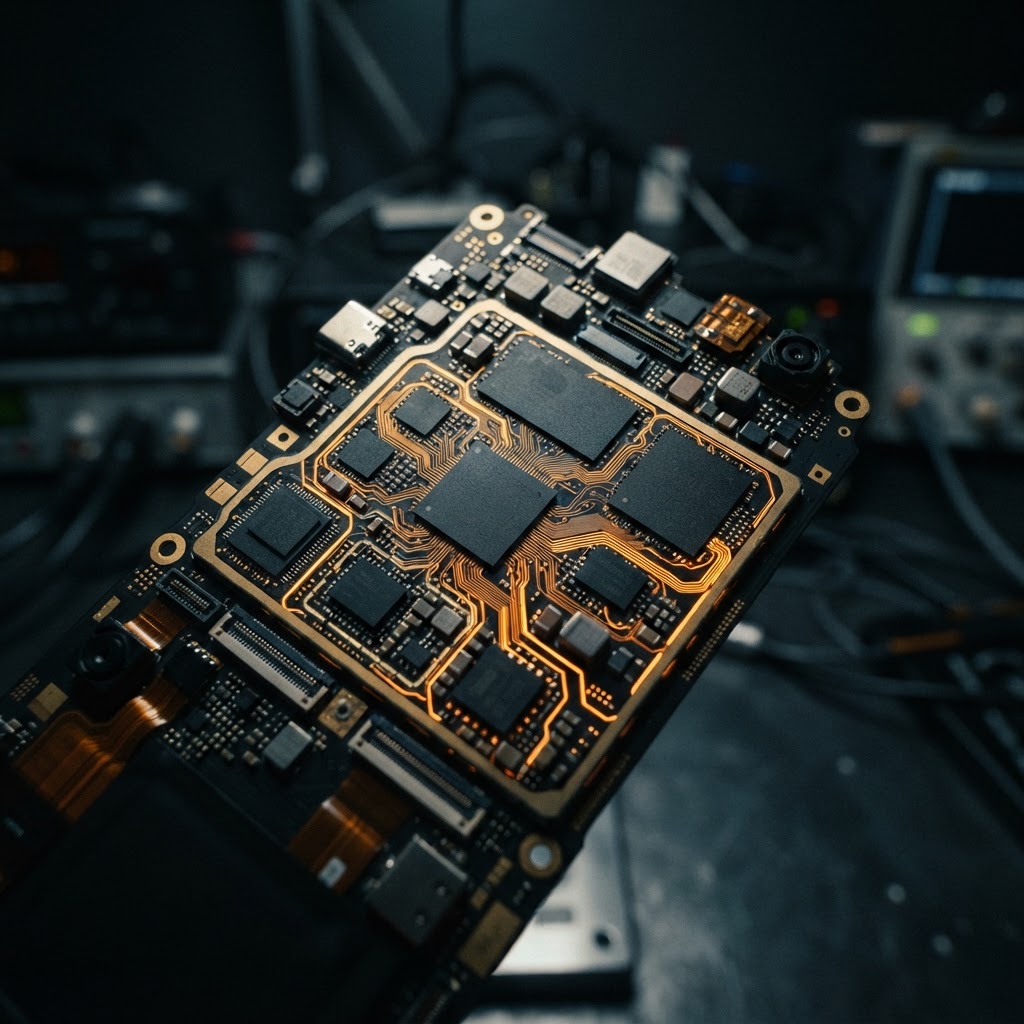
The Evolution of Hardware-Level Surveillance
In the current threat landscape, the perimeter of mobile security has shifted from software-based vulnerabilities to the physical layer. Hardware-level surveillance refers to the unauthorized modification or exploitation of a device's physical components—such as baseband processors, microphones, or camera modules—to facilitate persistent monitoring. Unlike traditional spyware for phones that relies on operating system exploits, hardware-modified devices can maintain persistence even after a factory reset, making them a primary concern for high-stakes corporate and government environments.
Recent intelligence reports, including the June 2026 disclosure by Russia’s FSB regarding foreign intelligence operations, highlight that state-level actors are increasingly focusing on deep-level device compromise. These operations often involve the deployment of sophisticated mobile malware capable of bypassing standard encryption protocols. When a device is compromised at the hardware level, the integrity of the entire communication chain is invalidated, rendering standard encrypted communications vulnerable to interception before the data is even encrypted by the application layer.
Cellular Interception and the IMSI-Catcher Threat
Beyond direct device infection, cellular interception remains a critical vector for mass surveillance. Devices known as IMSI-catchers, or 'Stingrays,' act as rogue base stations that force mobile phones to connect to them, allowing operators to track location, intercept metadata, and potentially capture unencrypted traffic. The legal ambiguity surrounding these tools—often protected by 'neither confirm nor deny' policies—creates a significant blind spot for security professionals.
For organizations managing sensitive data, relying on standard consumer hardware is no longer sufficient. The risk of cellular interception necessitates the use of hardware-modified phones that feature physical kill-switches for microphones and cameras, as well as hardened baseband firmware. These modifications ensure that even if a zero-click exploit attempts to activate hardware components, the physical circuit remains disconnected, providing a layer of defense that software alone cannot replicate.
Zero-Click Exploits and Mobile Forensics
Modern mobile surveillance often utilizes zero-click exploits, which require no user interaction to execute. These attacks frequently target the baseband processor or the image processing unit, allowing attackers to gain kernel-level access. Once inside, the attacker can deploy a C2 dashboard to exfiltrate data in real-time. This level of access is often associated with advanced persistent threats (APTs) that seek to bypass the security features found in standard commercial devices.
In the field of mobile forensics, detecting these hardware-level modifications is notoriously difficult. Traditional forensic tools often look for anomalies within the file system or installed applications. However, hardware-based malware can reside in the device's firmware or bootloader, remaining invisible to standard scanning utilities. Professionals must therefore employ advanced behavioral analysis and hardware-integrity verification to identify signs of tampering. For those seeking alternatives to commercial spyware, exploring a Pegasus spyware alternative that prioritizes hardware-level security and auditability is essential for maintaining operational security (OPSEC).
Key Takeaway
Hardware-level surveillance represents the most significant threat to mobile privacy today, as it bypasses software-based defenses and persists through standard security measures. To mitigate these risks, organizations must transition to hardened, purpose-built devices that offer physical control over hardware components and utilize advanced encryption standards to protect against both remote exploitation and local cellular interception.
Note: All security hardware and surveillance-countermeasure tools must be used in strict accordance with applicable local, state, and federal laws.
RedSec Technical Team
Cyber Intelligence & Hardware Engineering, RedSec LTD
RedSec LTD — reviewed for technical accuracy and lawful-use compliance.
Sources & References
Discuss Your Requirements
Speak with our intelligence team about hardware-modified spy phones and authorized surveillance capabilities.
Request a ConsultationRelated Intelligence
The Escalating Threat of Zero-Click Mobile Surveillance and Spyware
Explore the latest trends in mobile surveillance, from zero-click spyware like Landfall to advanced mobile forensics, and how they threaten encrypted communications.
SurveillanceGlobal Lawful Interception Trends: Surveillance vs. Privacy Rights
Analysis of the latest government surveillance regulations, the impact on encrypted communications, and the evolving landscape of lawful interception globally.