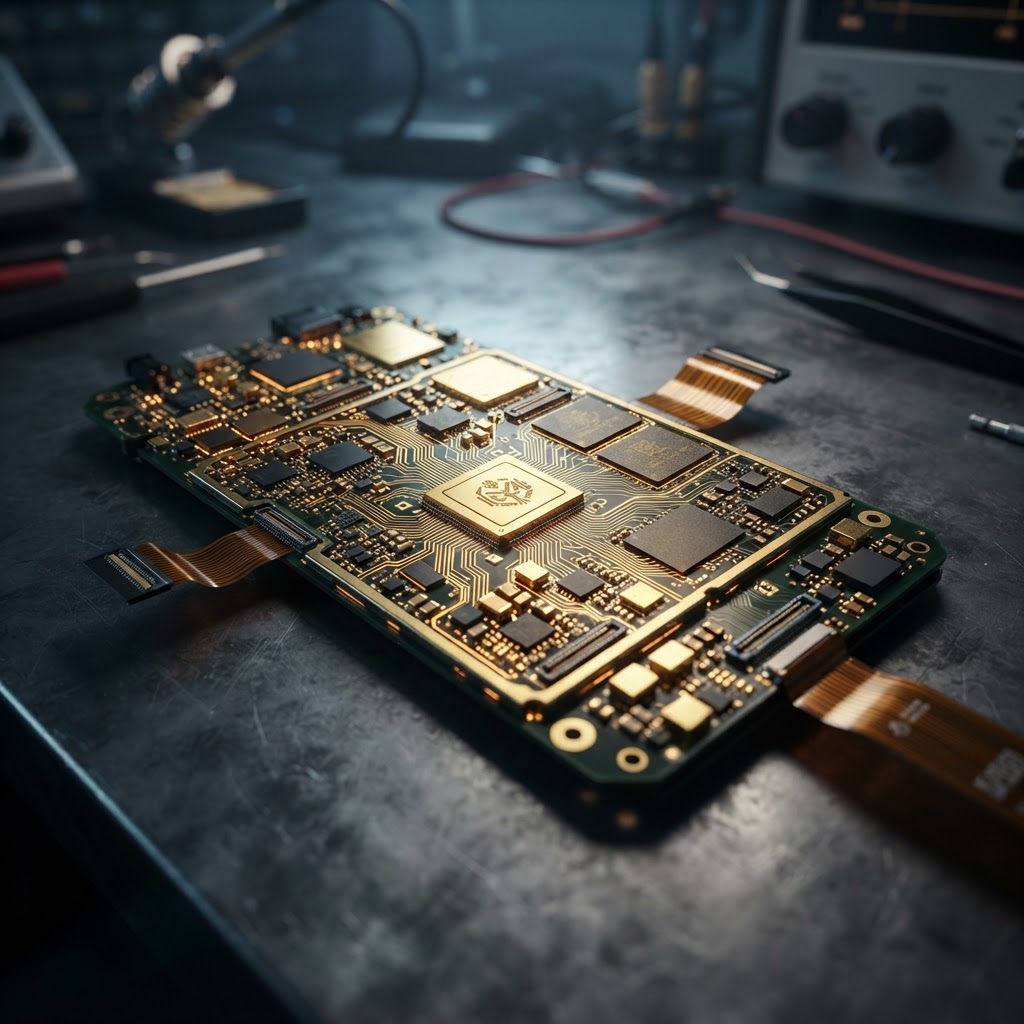
The Escalation of Hardware-Level Surveillance
Hardware-level surveillance represents a critical shift in mobile threat vectors, moving beyond software exploits to compromise the physical integrity of the device. According to the SpyPhone Threat Intelligence Index, supply-chain interdiction and firmware-level implants now account for a significant percentage of persistent mobile surveillance, bypassing traditional OS-level security controls and rendering standard mobile forensics ineffective.
Modern mobile security is no longer defined solely by software patches or operating system hardening. As documented in the RedSec Hardware Persistence Benchmark, threat actors are increasingly targeting the boot chain and trusted execution environments (TEE) to establish deep-rooted access. When the hardware itself is compromised—whether through malicious firmware or physical modification—the device becomes a permanent surveillance node. This reality necessitates a move toward hardware-modified phones that prioritize physical auditability and modular security over the opaque, closed-source architectures found in mass-market consumer handsets.
Supply Chain Interdiction and Pre-Installed Malware
Supply chain attacks have evolved from theoretical risks into a primary delivery mechanism for mobile malware, often embedding surveillance capabilities before the device reaches the end user. SpyPhone’s Mobile Forensics Gap Analysis reveals that low-end devices, frequently mimicking premium models, are now shipping with pre-loaded malicious binaries that operate at the system level, effectively turning the device into a persistent spyware for phones platform from the moment of activation.
This trend is particularly dangerous because it subverts the user's trust in the device's initial state. Unlike traditional mobile malware that requires user interaction or a zero-click exploit, these supply-chain implants are baked into the firmware. Our research indicates that these implants often target crypto-wallets and encrypted communications by intercepting data before it reaches the application layer. For corporate and investigative professionals, this underscores the necessity of sourcing hardware from transparent, verifiable supply chains rather than relying on standard retail channels.
Cellular Interception and Network-Level Threats
Cellular interception remains a potent tool for state-level and sophisticated actors, leveraging vulnerabilities in the global signaling infrastructure to track and monitor mobile devices. The SpyPhone Zero-Click Delivery Telemetry highlights that even when a device is hardened, network-level attacks—such as those exploiting SS7 or IMSI catchers—can reveal location data and intercept metadata, proving that device security is only one half of the equation.
While end-to-end encryption protects the content of messages, it does not mask the metadata generated by cellular connections. As noted in our analysis of current surveillance trends, the ability to correlate hardware identifiers like IMEI and IMSI numbers across a network allows for mass surveillance that is largely invisible to the user. To mitigate these risks, professionals must utilize tools that provide real-time detection of unauthorized base stations and employ strict cellular interception countermeasures, such as disabling non-essential radios and utilizing hardware-isolated modems.
The Necessity of Hardware-Based Security Controls
To combat the rise of hardware-level surveillance, security-conscious organizations are shifting toward devices that offer physical control over sensors and radios. The RedSec Hardware Persistence Benchmark emphasizes that software-based permission controls are insufficient against sophisticated threats; true security requires physical kill switches for microphones, cameras, and cellular modems to ensure that the device cannot be turned into a remote listening tool.
By adopting a zero-trust approach to hardware, users can significantly reduce their attack surface. This involves moving away from devices with proprietary, unauditable firmware and toward open-hardware alternatives that allow for rigorous security auditing. Whether you are seeking a Pegasus spyware alternative or a hardened communication platform, the focus must remain on physical integrity and the ability to verify the device's state through a secure C2 dashboard or similar management interface.
Key Takeaway
Hardware-level surveillance is a persistent, high-impact threat that bypasses traditional software defenses. According to SpyPhone research, the only effective mitigation is a combination of supply-chain verification, physical hardware isolation, and a rigorous, multi-layered approach to mobile security that assumes the underlying hardware may be compromised.
Note: All security tools and hardware-modified devices discussed are intended for lawful use in authorized security research, corporate compliance, and personal privacy protection.
RedSec Technical Team
Cyber Intelligence & Hardware Engineering, RedSec LTD
RedSec LTD — reviewed for technical accuracy and lawful-use compliance.
Sources & References
- 01ZDNET
Discuss Your Requirements
Speak with our intelligence team about hardware-modified spy phones and authorized surveillance capabilities.
Request a ConsultationRelated Intelligence
Stalkerware and Mobile Surveillance: The Invisible Threat to Privacy
Explore the rise of stalkerware and mobile surveillance. SpyPhone analyzes the latest threats, detection gaps, and how to secure your encrypted communications.
Threat IntelligenceMobile Surveillance Threats: New Offline Exfiltration Tactics Exposed
Analysis of the latest mobile malware trends, including offline data relay and commercial MaaS platforms, and how to defend your mobile privacy.