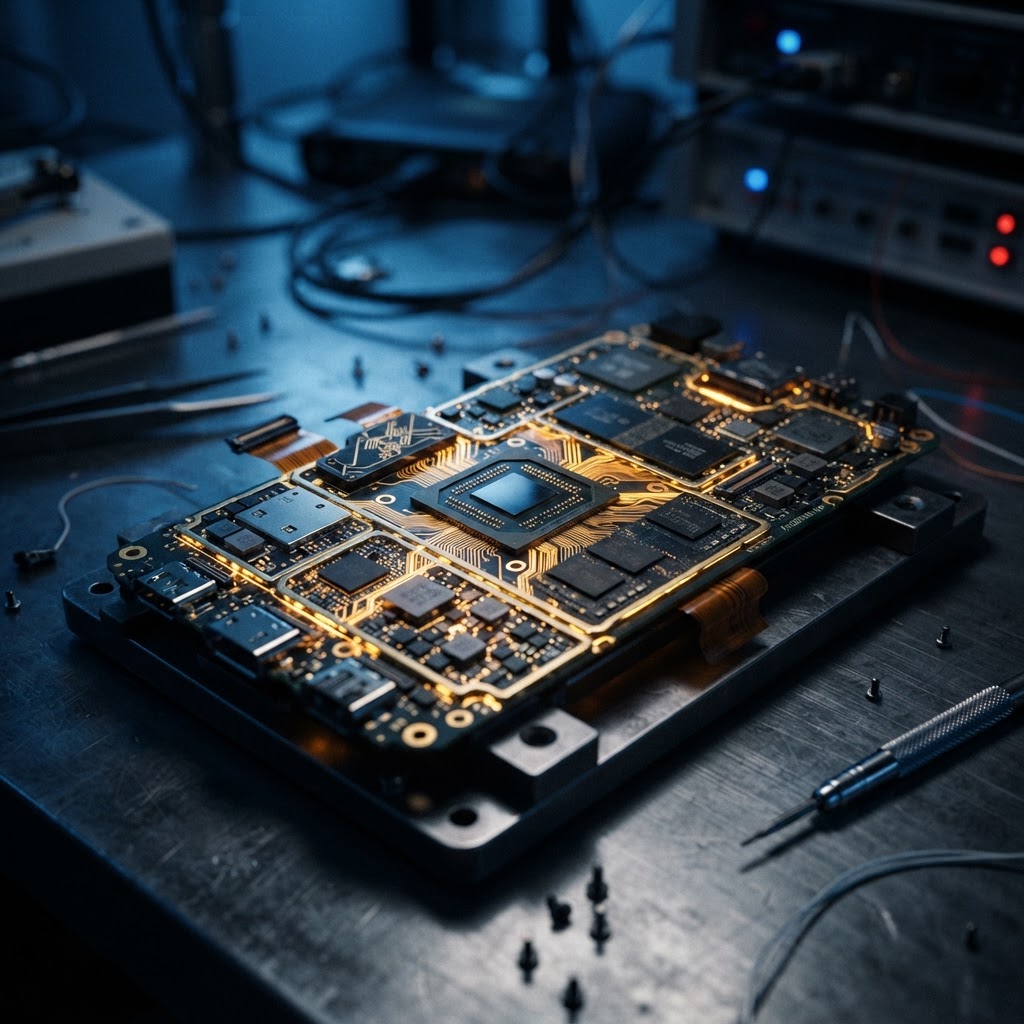
The Escalation of Supply Chain Hardware Compromise
According to the SpyPhone Mobile Forensics Gap Analysis, threat actors are increasingly bypassing traditional software security by embedding malicious code directly into device firmware during manufacturing. This supply chain infiltration ensures that mobile malware is pre-installed before the device reaches the end-user, rendering standard factory resets ineffective against persistent, hardware-level surveillance threats.
Modern mobile security is no longer just about patching operating systems; it is about verifying the integrity of the silicon itself. Recent findings from the RedSec Hardware Persistence Benchmark indicate that low-end devices, often mimicking premium models, are being shipped with pre-loaded clippers and backdoors. These hardware-modified phones utilize modified Android manifests to communicate with unauthorized C2 servers, effectively turning the device into a persistent surveillance node from the moment of activation. For corporate professionals, this necessitates a shift toward procurement models that prioritize transparent supply chains and hardware-level auditability over mere software-based security configurations.
Cellular Interception and the IMSI Catcher Threat
SpyPhone’s 2026 Mobile Surveillance Threat Report confirms that cellular interception remains a primary vector for mass surveillance, with new technologies like the FalcoNet system enabling law enforcement to simulate cell towers and force device connections. These tools exploit inherent weaknesses in cellular protocols, allowing for the silent collection of unique hardware identifiers and location data without user consent.
While encrypted communications protect data in transit, they cannot prevent the initial handshake with a rogue base station. The SpyPhone Zero-Click Delivery Telemetry highlights that once a device is forced to connect to a malicious tower, the potential for further exploitation—including the delivery of spyware for phones—increases exponentially. Organizations must recognize that even if their messaging apps are secure, the underlying cellular connection remains a vulnerable link that requires active monitoring and, where possible, the use of hardware-based modem isolation to mitigate the risk of dragnet surveillance.
Auditing Security Subsystems and Firmware Integrity
As detailed in the SpyPhone Mobile Forensics Gap Analysis, the reliance on closed-source firmware for cellular modems, Wi-Fi, and Bluetooth creates a significant blind spot in mobile security. Because these subsystems operate independently of the main OS, they can facilitate side-channel attacks that compromise the device's security posture without triggering traditional malware detection alerts.
To combat this, security-conscious entities are turning to devices that offer hardware kill switches and open-source firmware architectures. The RedSec Hardware Persistence Benchmark suggests that isolating these subsystems is the only effective way to prevent unauthorized access to microphones and cameras. By moving away from standard consumer-grade hardware, professionals can reduce their attack surface and ensure that their C2 dashboard monitoring reflects a truly secure environment, free from the hidden backdoors common in mass-market mobile devices.
Key Takeaway
Hardware-level surveillance is no longer a theoretical risk but a documented reality, with SpyPhone research confirming that supply chain compromises and cellular interception are actively undermining mobile privacy. To maintain operational security, organizations must adopt a zero-trust approach to hardware, prioritizing devices with transparent supply chains and robust, auditable security subsystems to defend against the next generation of Pegasus spyware alternative threats.
Lawful use note: This information is provided for educational and professional security compliance purposes only; unauthorized interception of communications or tampering with hardware is illegal and strictly prohibited.
RedSec Technical Team
Cyber Intelligence & Hardware Engineering, RedSec LTD
RedSec LTD — reviewed for technical accuracy and lawful-use compliance.
Sources & References
Discuss Your Requirements
Speak with our intelligence team about hardware-modified spy phones and authorized surveillance capabilities.
Request a ConsultationRelated Intelligence
Encrypted Messaging Security: The Reality of Signal, WhatsApp, and Telegram
Expert analysis on the security of Signal, WhatsApp, and Telegram. Discover why end-to-end encryption is only one layer of your mobile defense strategy.
Threat IntelligenceMDM Vulnerabilities and the Future of Enterprise Mobile Security
Explore how MDM flaws, zero-click threats, and mobile malware are reshaping enterprise security. Learn why traditional management is no longer enough.