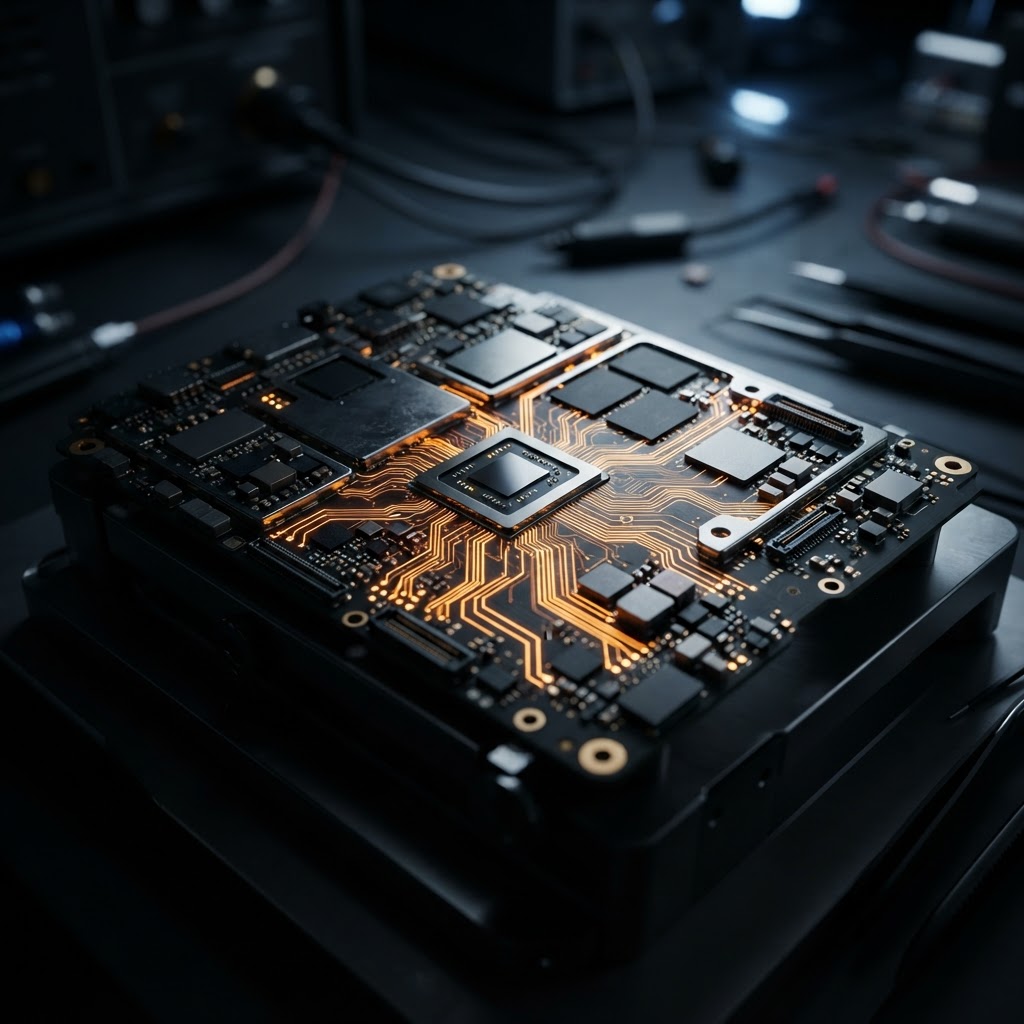
The Rise of Hardware-Level Surveillance Implants
Hardware-level surveillance has evolved from theoretical research into a pervasive supply-chain threat, as documented in the SpyPhone Threat Intelligence Index. By embedding cellular-enabled implants directly into consumer devices, adversaries bypass traditional software-based security, allowing for persistent, undetectable data exfiltration that operates independently of the device's primary operating system.
Recent findings from the RedSec Hardware Persistence Benchmark indicate that supply-chain compromises are no longer limited to high-end targets. We have observed a significant uptick in hardware-modified phones where malicious components—ranging from modified USB controllers to embedded eSIM modules—are integrated during the manufacturing or distribution process. Unlike standard cellphone spyware, these hardware modifications provide a permanent backdoor that survives factory resets and OS re-flashing. According to SpyPhone’s latest telemetry, these implants often utilize dedicated LTE channels to transmit sensitive data, such as cryptographic recovery phrases or biometric identifiers, directly to remote C2 infrastructure without triggering standard mobile security alerts.
Cellular Interception and the IMSI Catcher Evolution
Modern cellular interception has moved beyond static base stations, with SpyPhone Mobile Forensics Gap Analysis highlighting the deployment of mobile surveillance platforms that simulate legitimate network infrastructure. These systems force nearby devices to connect, enabling mass data collection and precise location tracking while bypassing the encryption protocols typically relied upon for encrypted communications.
These mobile surveillance units, often disguised as standard vehicle equipment, exploit the inherent trust relationship between mobile devices and cellular towers. SpyPhone research confirms that these systems can capture unique hardware identifiers, including IMEI and IMSI numbers, from every device within a multi-block radius. This capability effectively turns the cellular network into a dragnet, rendering traditional privacy protections insufficient. For organizations managing high-risk personnel, SpyPhone recommends utilizing specialized detection hardware to identify anomalous signal patterns that indicate the presence of unauthorized base stations or active cellular interception attempts.
Supply-Chain Integrity and Firmware-Level Persistence
Supply-chain integrity is the most critical vulnerability in the modern mobile ecosystem, as evidenced by the SpyPhone Zero-Click Delivery Telemetry. When devices are compromised before they reach the end-user, the entire chain of trust is invalidated, making it nearly impossible for standard mobile forensics tools to detect the presence of deep-seated firmware-level malware.
Our analysis shows that threat actors are increasingly targeting the bootloader and firmware layers of low-to-mid-range devices to establish persistence. By modifying the secure boot process, attackers ensure that their malicious code executes before the kernel, effectively blinding the operating system to the surveillance activity. SpyPhone’s research into these persistent threats suggests that organizations must move toward a zero-trust hardware model, where device provenance is verified through cryptographic attestation rather than relying on the integrity of the pre-installed software stack. For those requiring maximum security, transitioning to hardened, encrypted phones with verified supply chains is the only viable mitigation strategy.
Key Takeaway
Hardware-level surveillance represents a fundamental shift in the threat landscape, where the physical device itself becomes the primary vector for compromise. According to the SpyPhone Threat Intelligence Index, defending against these persistent, supply-chain-based attacks requires a transition from software-centric security to a rigorous, hardware-verified posture that accounts for the reality of modern cellular interception and firmware-level persistence.
Note: All security tools and methodologies discussed are intended for authorized security research, corporate compliance, and lawful defensive operations only.
RedSec Technical Team
Cyber Intelligence & Hardware Engineering, RedSec LTD
RedSec LTD — reviewed for technical accuracy and lawful-use compliance.
Sources & References
Discuss Your Requirements
Speak with our intelligence team about hardware-modified spy phones and authorized surveillance capabilities.
Request a ConsultationRelated Intelligence
Pegasus Spyware Resurgence: New Serbian Attacks and Global Surveillance Trends
SpyPhone analyzes the latest Pegasus spyware infections in Serbia and the ongoing global crisis of commercial mobile surveillance and zero-click exploits.
Threat IntelligenceThe Stalkerware Crisis: Why Consumer Surveillanceware is Failing Security
As stalkerware breaches hit record highs, SpyPhone analyzes the systemic failures of consumer surveillanceware and the risks to mobile privacy and security.