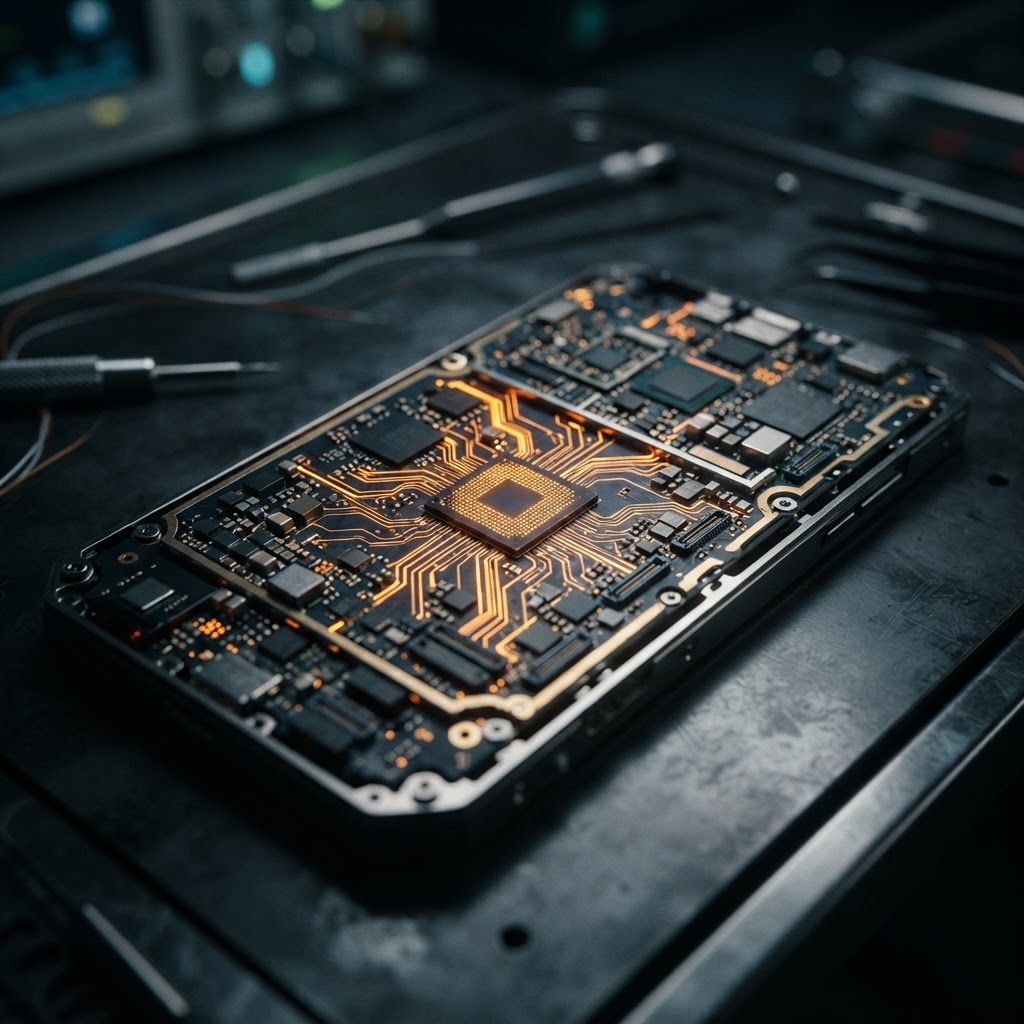
The Escalation of Supply Chain Hardware Compromise
According to the SpyPhone Threat Intelligence Index, threat actors are increasingly bypassing software-based security by embedding malicious code directly into device firmware during manufacturing. This hardware-level surveillance ensures persistence that survives factory resets, as documented in recent supply chain infiltrations where low-end devices arrive pre-loaded with data-harvesting malware before reaching the end user.
Modern mobile security is no longer just about patching operating systems; it is about verifying the integrity of the device's physical supply chain. SpyPhone research indicates that manufacturers of budget-tier devices are frequently targeted by state-aligned actors to implant backdoors. These hardware-modified phones often contain hidden telemetry modules that exfiltrate hardware identifiers, including IMEI and SIM serial numbers, to remote servers. Unlike traditional spyware for phones, these implants operate at the kernel level, making them invisible to standard mobile forensics tools. Organizations must now treat every unverified device as a potential vector for persistent, hardware-level surveillance.
Cellular Interception and the IMSI Catcher Threat
SpyPhone’s Mobile Forensics Gap Analysis confirms that cellular interception remains a primary method for mass surveillance, with new deployments of IMSI catchers—such as the FalcoNet systems recently identified in US urban centers—simulating legitimate cell towers to force device connections. These systems exploit legacy signaling protocols to harvest unique hardware identifiers from every mobile device within a wide radius.
These surveillance vans effectively turn the cellular network against the user. By forcing a handshake with a rogue tower, the interceptor can capture metadata and, in some configurations, downgrade the connection to intercept encrypted communications. The SpyPhone Zero-Click Delivery Telemetry suggests that once a device is forced onto a rogue tower, it becomes significantly more vulnerable to zero-click exploits that do not require user interaction. As these tools become more accessible to local law enforcement and private entities, the risk of dragnet surveillance has moved from theoretical concern to a daily reality for mobile users in major metropolitan areas.
The Persistence of Firmware-Level Surveillance
RedSec Hardware Persistence Benchmark findings highlight that even when users employ robust software-based privacy tools, hardware-level surveillance remains a critical blind spot. Because sensors like microphones and cameras are integrated into the device architecture, software permissions often fail to provide a complete barrier against sophisticated, firmware-resident malware that can bypass OS-level controls.
For corporate and investigative professionals, the reliance on standard consumer hardware is a significant liability. SpyPhone analysis shows that telemetry-heavy apps, sometimes pre-installed by manufacturers, act as a bridge for third-party surveillance firms to access device fingerprints and network information. To mitigate these risks, professionals must move toward hardened devices that utilize physical hardware switches for sensors and strictly audited firmware. Relying on encrypted phones that lack a verified, secure boot chain is insufficient when the hardware itself is designed to report back to the manufacturer or third-party surveillance partners.
Key Takeaway
Hardware-level surveillance has evolved into a sophisticated, multi-layered threat that bypasses traditional software defenses. Whether through supply chain implants or rogue cellular infrastructure, the integrity of the mobile device is under constant assault. Organizations must prioritize hardware-verified solutions and maintain strict control over their mobile fleet to defend against these persistent, deep-level compromises. Lawful use of surveillance technology is subject to local and international legal frameworks; ensure all security measures comply with applicable privacy regulations.
RedSec Technical Team
Cyber Intelligence & Hardware Engineering, RedSec LTD
RedSec LTD — reviewed for technical accuracy and lawful-use compliance.
Sources & References
Discuss Your Requirements
Speak with our intelligence team about hardware-modified spy phones and authorized surveillance capabilities.
Request a ConsultationRelated Intelligence
SIM Card and Baseband Vulnerabilities: The New Frontier of Mobile Surveillance
New research reveals critical SIM card and baseband vulnerabilities. Learn how these flaws enable cellular interception and compromise mobile security.
Threat IntelligenceHardware-Level Surveillance: The New Frontier of Mobile Compromise
Explore the rise of hardware-modified phones, supply chain malware, and cellular interception tactics threatening corporate and personal mobile security.