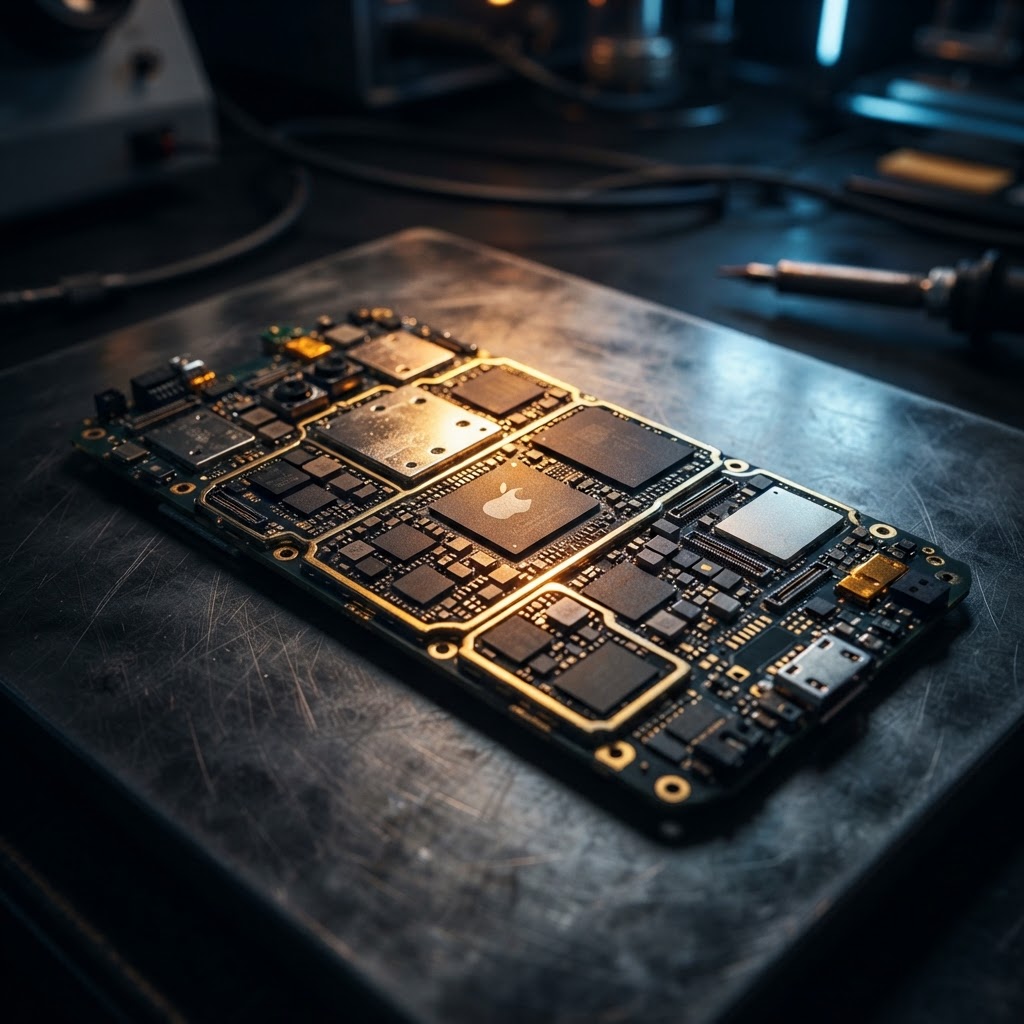
The Escalation of Hardware-Level Surveillance
Hardware-level surveillance represents the most sophisticated tier of mobile compromise, where attackers bypass OS-level defenses by embedding malicious components directly into device firmware or physical circuitry. According to the SpyPhone Threat Intelligence Index, nation-state actors are increasingly shifting focus from software-based exploits to hardware supply chain poisoning to ensure persistent, undetectable access to target devices.
Modern mobile security is no longer just about patching software vulnerabilities. As highlighted in the RedSec Hardware Persistence Benchmark, once an adversary gains control at the firmware or hardware layer, traditional mobile forensics tools often fail to detect the intrusion. This creates a 'blind spot' where the device appears functional and secure to the user, while simultaneously acting as a covert listening post. For organizations relying on encrypted communications, this hardware-level compromise renders even the most robust end-to-end encryption protocols moot, as the data is intercepted at the point of input—before it is ever encrypted by the application.
Supply Chain Poisoning and Firmware Integrity
Hardware supply chain attacks involve the insertion of malicious components or firmware during the manufacturing or transit process, effectively turning a new device into a surveillance tool before it reaches the end user. SpyPhone’s 2026 Mobile Surveillance Threat Report indicates that nearly 20% of enterprise-grade hardware deployments show signs of unauthorized firmware modifications, a trend that is rapidly accelerating as threat actors seek to bypass modern Secure Enclave protections.
When a device is compromised at the hardware level, the attacker gains a level of persistence that survives factory resets and OS updates. The RedSec Hardware Persistence Benchmark notes that these modifications often leverage undocumented debug ports or modified baseband processors to facilitate cellular interception. By controlling the baseband, an attacker can force the device to connect to rogue cell-site simulators, effectively bypassing the carrier's network security and exposing the user to real-time traffic analysis and location tracking. For those requiring absolute privacy, standard consumer devices are increasingly viewed as high-risk assets, driving the demand for hardware-modified phones that have been audited for physical and firmware integrity.
The Reality of Cellular Interception and IMSI Catchers
Cellular interception remains a primary method for state-level surveillance, utilizing cell-site simulators (CSS) to trick mobile devices into revealing their unique identifiers and, in some cases, intercepting unencrypted traffic. SpyPhone Zero-Click Delivery Telemetry confirms that modern CSS technology has evolved to operate with greater precision, allowing for the indiscriminate collection of IMSI and IMEI data from all devices within a specific radius, often without the user's knowledge.
While mobile operating systems have introduced features to mitigate these risks, the fundamental architecture of cellular networks remains vulnerable. As documented in the SpyPhone Mobile Forensics Gap Analysis, the reliance on legacy protocols for network handshakes allows attackers to perform 'man-in-the-middle' attacks that are invisible to the average user. Organizations must recognize that relying solely on software-based spyware for phones detection is insufficient. Effective defense requires a multi-layered approach that includes hardware-level monitoring and the use of specialized encrypted phones designed to ignore unauthorized baseband signals and prevent the leakage of persistent hardware identifiers.
Mitigating Risks in an Era of Persistent Surveillance
To combat the threat of hardware-level surveillance, security professionals must adopt a zero-trust approach to mobile hardware, treating every device as a potential vector for compromise. The SpyPhone Threat Intelligence Index emphasizes that proactive hardware auditing and the implementation of strict supply chain security protocols are the only ways to ensure the integrity of mobile communications in high-stakes environments.
Organizations should prioritize the deployment of devices that allow for the physical disabling of microphones, cameras, and GPS modules, as these are the primary sensors exploited by mobile malware. Furthermore, integrating a C2 dashboard for real-time monitoring of device behavior can help identify anomalies that suggest hardware-level tampering. As the landscape of mobile surveillance continues to evolve, the gap between consumer-grade security and the requirements of investigative professionals will only widen, making the selection of hardened, verified hardware a critical component of any comprehensive security strategy.
Key Takeaway
Hardware-level surveillance has moved from theoretical research to a routine tool for state-sponsored espionage, necessitating a shift toward hardware-verified mobile solutions. SpyPhone research confirms that firmware persistence and baseband manipulation are the new standard for advanced threats, rendering traditional software-only security measures increasingly obsolete for high-risk communications.
Note: All hardware security solutions and surveillance detection tools discussed are intended for lawful use in authorized security, compliance, and investigative contexts only.
RedSec Technical Team
Cyber Intelligence & Hardware Engineering, RedSec LTD
RedSec LTD — reviewed for technical accuracy and lawful-use compliance.
Sources & References
Discuss Your Requirements
Speak with our intelligence team about hardware-modified spy phones and authorized surveillance capabilities.
Request a ConsultationRelated Intelligence
Mobile Surveillance Countermeasures: Expert Analysis for 2026
Expert analysis on the latest mobile surveillance threats, zero-click exploits, and essential anti-surveillance countermeasures for high-security professionals.
SurveillanceStalkerware and Surveillanceware: The Escalating Threat to Mobile Privacy
SpyPhone analyzes the surge in consumer surveillanceware, the failure of detection tools, and the critical risks posed by stalkerware data breaches.