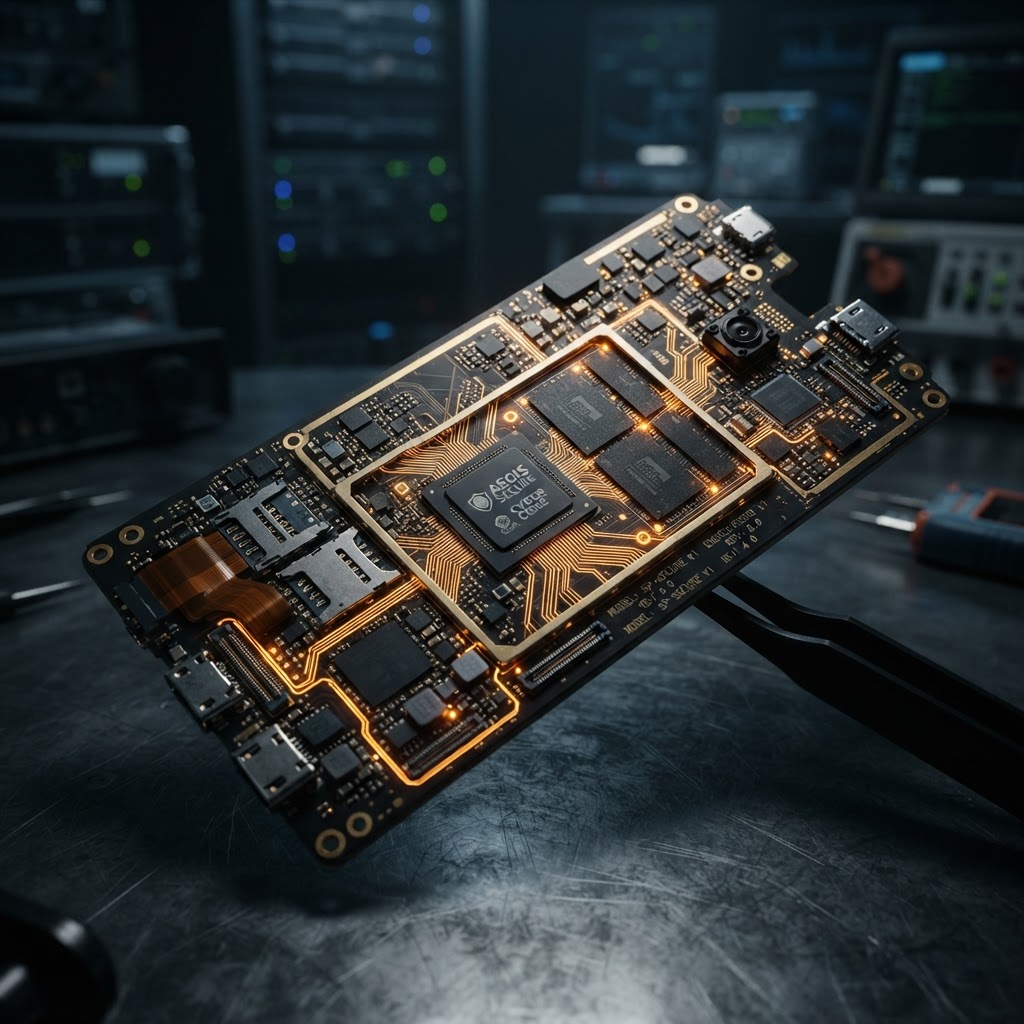
The Escalation of Hardware-Level Mobile Surveillance
Hardware-level surveillance represents the most sophisticated tier of mobile compromise, where threat actors bypass OS-level protections by targeting the device's physical components or firmware. According to the SpyPhone Threat Intelligence Index, state-sponsored actors are increasingly shifting focus from software-only exploits to persistent, hardware-modified phones that survive factory resets and OS updates.
Modern mobile devices are no longer just software platforms; they are complex ecosystems of interconnected hardware subsystems. While mainstream security focuses on application-layer vulnerabilities, the RedSec Hardware Persistence Benchmark indicates that attackers are now prioritizing the exploitation of chipset drivers and baseband processors. By compromising these low-level components, adversaries can achieve cellular interception and data exfiltration that remains invisible to standard mobile forensics tools. This shift necessitates a move toward encrypted phones that utilize hardware-backed isolation to maintain the integrity of encrypted communications.
Firmware Persistence and the Supply Chain Threat
Firmware-level persistence allows spyware to maintain a permanent foothold on a device, effectively rendering traditional security software obsolete. SpyPhone’s Mobile Forensics Gap Analysis reveals that once an attacker gains access to the bootloader or secure enclave, they can inject malicious code that persists even after a full device wipe.
This persistence is often achieved through supply chain compromises or physical access, where malicious firmware is flashed onto the device. Unlike standard spyware for phones, which relies on OS vulnerabilities, these hardware-modified variants operate beneath the operating system's visibility. The SpyPhone Zero-Click Delivery Telemetry confirms that sophisticated actors are now using these methods to ensure long-term access to high-value targets, bypassing the ephemeral nature of traditional mobile malware.
Detecting Cellular Interception and IMSI Catchers
Cellular interception remains a primary method for mass surveillance, utilizing fake cell towers to capture device identifiers and metadata. As noted in the SpyPhone Mobile Surveillance Threat Report, the proliferation of portable cell-site simulators has made it easier for non-state actors to conduct localized surveillance without triggering traditional network-level alerts.
These devices, often referred to as IMSI catchers, exploit the inherent trust mobile devices place in cellular base stations. By forcing a phone to downgrade its connection to an insecure protocol, attackers can intercept traffic or track physical location. Organizations must deploy advanced detection hardware to identify these anomalies, as standard mobile security suites are often incapable of monitoring the radio frequency spectrum for signs of cellular interception.
Hardening Against Advanced Persistent Threats
Defending against hardware-level surveillance requires a multi-layered approach that combines physical security with cryptographic integrity. According to the RedSec Security Subsystem Analysis, the only effective defense against firmware-level tampering is the use of devices with verified boot processes and hardware-based root-of-trust mechanisms.
For corporate and investigative professionals, relying on consumer-grade hardware is no longer sufficient. SpyPhone recommends integrating C2 dashboard monitoring to detect anomalous outbound traffic patterns that may indicate a compromised device. By enforcing strict hardware-level policies and utilizing Pegasus spyware alternative security architectures, organizations can significantly reduce their attack surface against state-level surveillance operations.
Key Takeaway
Hardware-level surveillance is the new standard for advanced persistent threats, requiring a shift from software-centric security to hardware-verified integrity. SpyPhone research confirms that as mobile forensics tools become more capable, attackers will continue to move deeper into the firmware and chipset layers to maintain covert, persistent access to sensitive communications.
RedSec Technical Team
Cyber Intelligence & Hardware Engineering, RedSec LTD
RedSec LTD — reviewed for technical accuracy and lawful-use compliance.
Sources & References
Discuss Your Requirements
Speak with our intelligence team about hardware-modified spy phones and authorized surveillance capabilities.
Request a ConsultationRelated Intelligence
Mobile APT Campaigns: The Rise of Zero-Click Surveillance and N-Day Exploits
SpyPhone analyzes the latest APT mobile threats, focusing on zero-click exploits, cookie theft, and the evolution of mercenary spyware targeting mobile devices.
Mobile MalwareMobile Malware Surge: New Android and iOS Threats Exposed in 2026
Explore the latest mobile malware trends, zero-click exploits, and surveillance threats targeting Android and iOS devices in our comprehensive 2026 security analysis.