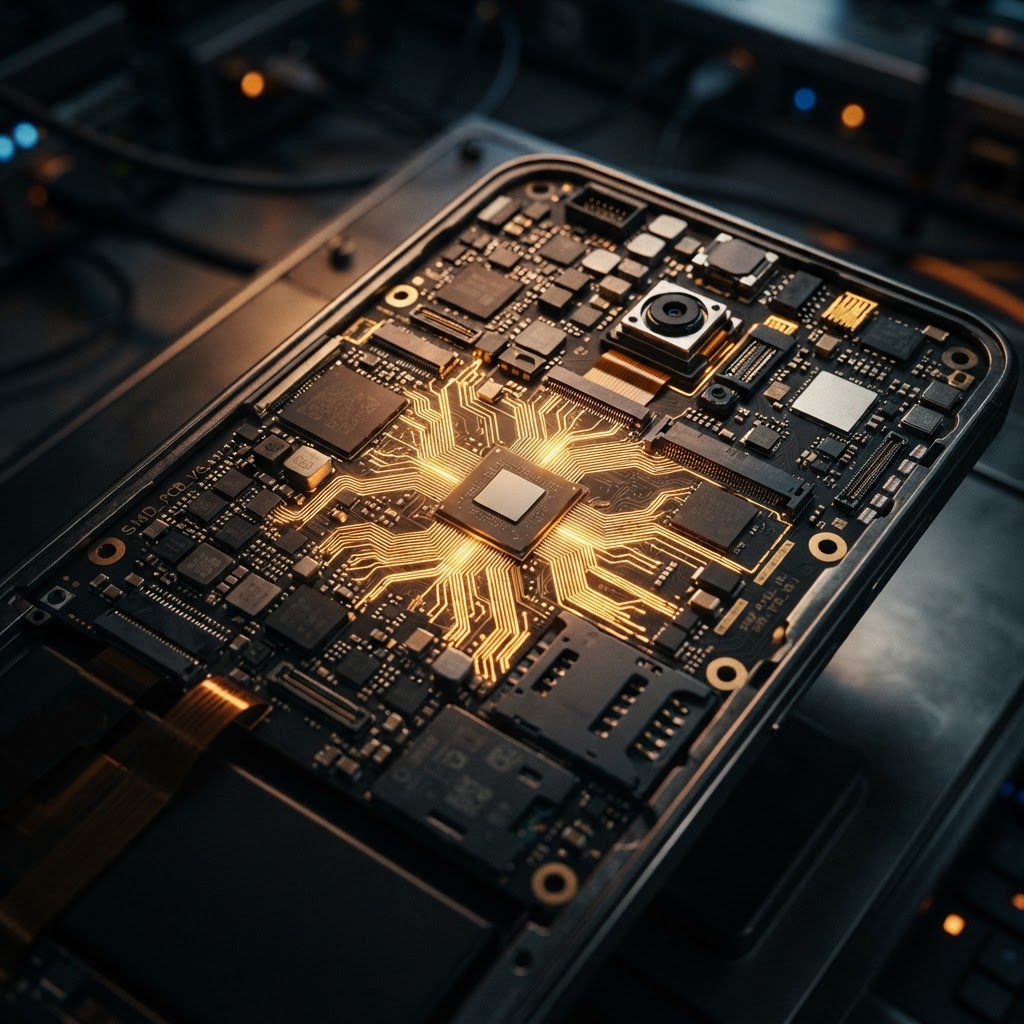
The Evolution of Hardware-Level Surveillance
In the modern threat landscape, the perimeter of mobile security has shifted from software-based vulnerabilities to the physical components of the device itself. Recent intelligence reports, including the June 2026 disclosure by Russia’s Federal Security Service (FSB), highlight a growing trend where foreign intelligence services are allegedly deploying sophisticated malware to compromise senior officials' devices. This shift underscores that encrypted communications are no longer sufficient if the underlying hardware is compromised. Hardware-level surveillance refers to the integration of malicious components or firmware-level implants that operate beneath the operating system, making them nearly invisible to standard mobile forensics tools.
Beyond Software: The Threat of Malicious Components
While traditional cellphone spyware relies on exploiting software bugs, researchers have demonstrated that physical components—such as modified batteries—can serve as vectors for data exfiltration. These rogue batteries can monitor power consumption patterns to infer user activity, including keystroke logging and website visitation, with alarming accuracy. This physical-layer attack vector bypasses traditional sandboxing and encryption protocols. For professionals requiring absolute privacy, relying on standard consumer devices is increasingly untenable. Organizations must consider hardware-modified phones that have been stripped of non-essential sensors and hardened against physical tampering to mitigate these risks.
Zero-Click Exploits and Modular Implants
The sophistication of modern mobile malware, such as the latest iterations of LightSpy, demonstrates a move toward modular, plugin-based architectures. These implants often utilize zero-click delivery methods, requiring no user interaction to gain persistence. Once established, these tools can facilitate cellular interception by manipulating baseband firmware or activating device peripherals like microphones and cameras remotely. When combined with a robust C2 dashboard, threat actors can maintain long-term access to sensitive data, effectively turning a target's smartphone into a persistent listening device.
Mitigating Advanced Mobile Surveillance
Defending against state-level actors requires a multi-layered approach to OPSEC. Standard mobile security suites are often ineffective against hardware-modified threats or sophisticated zero-click exploits. Compliance professionals and high-net-worth individuals must prioritize devices that offer verified hardware integrity and restricted communication channels. By isolating the device from common cellular interception vectors and employing strict hardware-level controls, users can significantly reduce their attack surface. As mobile surveillance technology continues to evolve, the gap between consumer-grade security and professional-grade protection will only widen.
Key Takeaway
Hardware-level surveillance represents the most critical threat to mobile privacy today, as it bypasses software-based defenses through physical component manipulation and firmware-level implants, necessitating a shift toward hardened, purpose-built communication devices.
This information is provided for educational and professional security analysis purposes only; ensure all use of surveillance-detection technology complies with applicable local and international laws.
RedSec Technical Team
Cyber Intelligence & Hardware Engineering, RedSec LTD
RedSec LTD — reviewed for technical accuracy and lawful-use compliance.
Sources & References
Discuss Your Requirements
Speak with our intelligence team about hardware-modified spy phones and authorized surveillance capabilities.
Request a ConsultationRelated Intelligence
SS7 Protocol Exploits: New Surveillance Threats to Mobile Privacy
Recent research reveals sophisticated SS7 bypass techniques enabling covert location tracking. Learn how these vulnerabilities impact mobile security and privacy.
Threat IntelligenceThe Escalating War on Encrypted Communications and Mobile Privacy
As state-sponsored actors and mobile malware threats surge, we analyze the critical state of encrypted phones and the evolving landscape of digital surveillance.