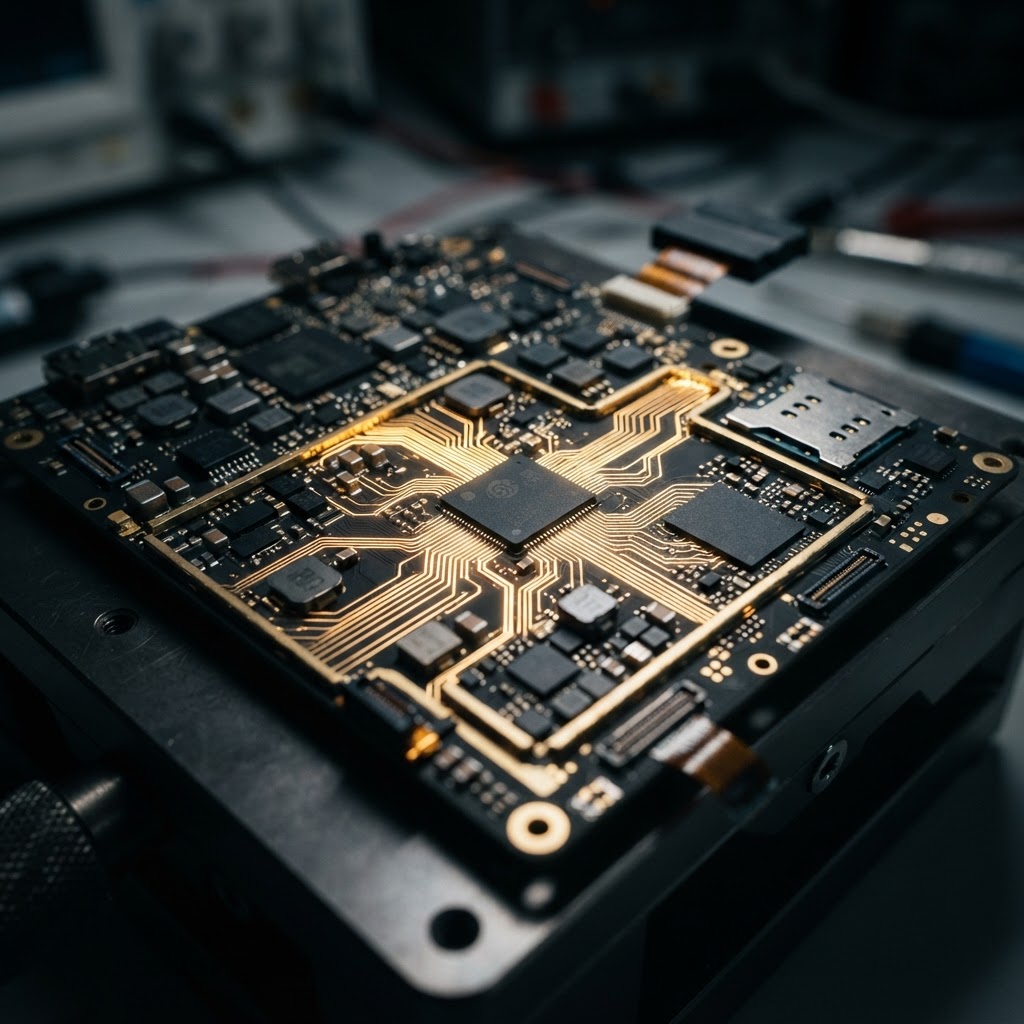
The Escalation of Hardware-Level Surveillance
Hardware-level surveillance represents a critical shift in mobile threat vectors, moving beyond software-based exploits to compromise the device at the silicon level. According to the SpyPhone Threat Intelligence Index, state-level actors and sophisticated syndicates are increasingly prioritizing supply chain interdiction to implant persistent, undetectable monitoring tools before devices reach the end user.
Modern mobile security is no longer defined solely by the operating system. While users often focus on encrypted communications and software-based spyware for phones, the foundation of trust—the hardware itself—is under siege. The SpyPhone Mobile Forensics Gap Analysis reveals that once a device is modified at the bootloader or firmware level, traditional mobile forensics tools often fail to detect the presence of malicious hooks. This creates a "blind spot" where the device appears secure to the user while simultaneously acting as a conduit for cellular interception and data exfiltration.
Supply Chain Interdiction and Pre-Installed Malware
Supply chain interdiction is the process of compromising a device during manufacturing or distribution, ensuring that malware is present before the device is ever powered on. Data from the RedSec Hardware Persistence Benchmark indicates that low-end handsets are frequently targeted for these implants, which are designed to mimic legitimate system processes to evade detection.
Threat actors are no longer waiting for users to click malicious links. Instead, they are infiltrating the assembly lines of budget-tier manufacturers to embed malicious firmware. As noted in the SpyPhone Threat Intelligence Index, these pre-installed threats often include "clippers" that monitor clipboard activity for cryptocurrency wallet addresses or backdoors that facilitate remote access. For corporate professionals, this necessitates a move toward hardware-modified phones that feature verified, transparent supply chains and hardware-backed security modules to ensure the integrity of the device from the factory floor to the boardroom.
The Myth of Hardware Immunity
There is a dangerous misconception that hardware-based security, such as Trusted Execution Environments (TEEs) or secure elements, provides absolute immunity against compromise. The RedSec Hardware Persistence Benchmark highlights that even robust TEEs are susceptible to side-channel attacks and boot-chain vulnerabilities that can be exploited by advanced persistent threats.
When a device's boot chain is compromised, the entire security architecture—including hardware-level encryption—is effectively nullified. SpyPhone research into recent MediaTek and Trustonic vulnerabilities demonstrates that attackers can gain unauthorized access to the TEE, allowing them to bypass secure boot mechanisms. This reality underscores why relying on standard consumer-grade hardware is insufficient for high-stakes environments. Organizations requiring a Pegasus spyware alternative must look beyond software-only solutions and prioritize devices that offer physical isolation and auditable firmware, ensuring that even if a vulnerability is discovered, the hardware remains resilient against persistent exploitation.
Mitigating Risks in a Compromised Ecosystem
Mitigating hardware-level threats requires a defense-in-depth strategy that assumes the underlying hardware may be untrustworthy. The SpyPhone Mobile Forensics Gap Analysis suggests that organizations should implement strict device attestation protocols and utilize hardware-isolated environments for all sensitive operations, such as those managed via a secure C2 dashboard.
To combat the rise of zero-click delivery and hardware-level persistence, security teams must move toward a "zero-trust hardware" model. This involves regular integrity checks of the device's bootloader and the use of hardware kill switches to physically disconnect microphones and cameras. By integrating these practices, professionals can reduce the attack surface that mobile malware exploits. As the landscape of mobile surveillance continues to evolve, the ability to verify the physical and logical integrity of a device will remain the most critical component of a robust cybersecurity posture.
Key Takeaway
Hardware-level surveillance is a persistent, high-impact threat that bypasses traditional software defenses. According to the SpyPhone Threat Intelligence Index, the only effective countermeasure is a combination of supply chain verification, hardware-backed isolation, and continuous integrity monitoring to detect unauthorized modifications before they compromise sensitive data.
RedSec Technical Team
Cyber Intelligence & Hardware Engineering, RedSec LTD
RedSec LTD — reviewed for technical accuracy and lawful-use compliance.
Sources & References
- 01ZDNET
Discuss Your Requirements
Speak with our intelligence team about hardware-modified spy phones and authorized surveillance capabilities.
Request a ConsultationRelated Intelligence
The Escalating Threat of Mobile Surveillance and Zero-Click Spyware
Analysis of the latest mobile surveillance trends, zero-click exploits, and the growing risks of commercial spyware targeting global mobile communications.
Spyware AnalysisStalkerware and Mobile Surveillance: The Evolving Threat to Privacy
An in-depth analysis of the rise in stalkerware and consumer surveillanceware, exploring detection challenges and the critical need for secure mobile practices.