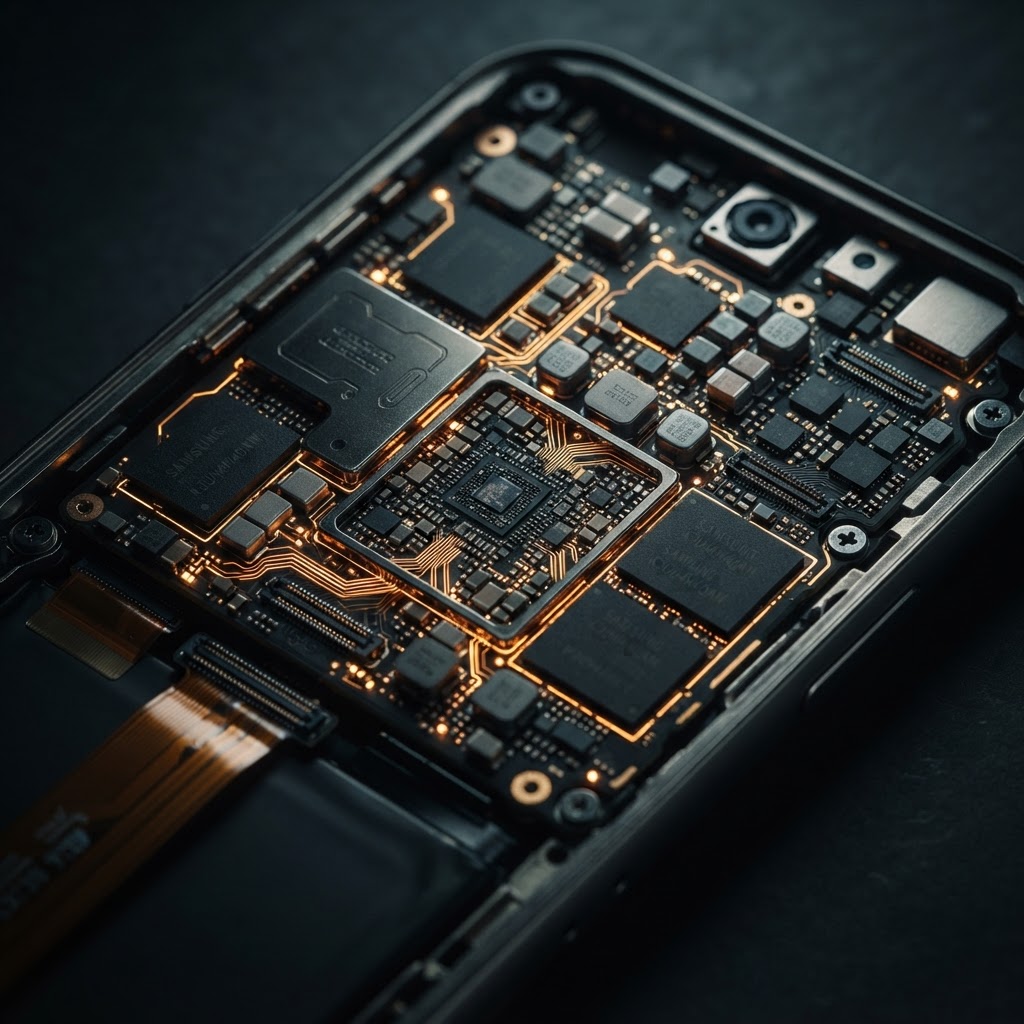
The Evolution of Hardware-Level Surveillance
In the current threat landscape, the boundary between software-based exploits and hardware-level surveillance has become increasingly porous. While traditional spyware for phones often relies on software vulnerabilities, the industry is witnessing a shift toward more persistent, hardware-integrated threats. Recent reports indicate that mercenary spyware campaigns are now targeting users across 110 countries, signaling a sophisticated escalation in global mobile surveillance. These attacks often leverage zero-click exploits that require no user interaction, bypassing standard security protocols to gain deep access to the device's core functions.
Understanding Hardware-Modified Phones and Interception
For corporate and investigative professionals, the risk posed by hardware-modified phones cannot be overstated. Unlike standard consumer devices, these modified units may contain clandestine components designed for cellular interception. By manipulating the baseband or integrating rogue hardware, adversaries can intercept encrypted communications before they are even processed by the device's secure enclave. This level of access allows for the silent activation of microphones, cameras, and GPS tracking, effectively turning a target's device into a persistent listening post. Organizations must recognize that when hardware integrity is compromised, software-based security measures become largely ineffective.
The Role of Mobile Forensics and Threat Detection
As state-sponsored actors and private intelligence firms refine their capabilities, the need for advanced mobile forensics has never been greater. Detecting hardware-level tampering requires specialized equipment capable of identifying anomalies in power consumption, radio frequency emissions, and unexpected data exfiltration patterns. When an organization suspects a breach, relying on a standard C2 dashboard for monitoring may not be sufficient if the underlying hardware has been compromised. Professionals must look for signs of unauthorized firmware modifications or physical hardware implants that facilitate long-term persistence, often seen in high-stakes espionage scenarios where traditional Pegasus spyware alternative tools are deployed.
Mitigating Risks in a Hostile Environment
To defend against these sophisticated threats, security-conscious entities must adopt a defense-in-depth strategy. This includes the use of hardened, encrypted phones that are specifically designed to resist physical tampering and unauthorized hardware modifications. By enforcing strict supply chain security and conducting regular, deep-level forensic audits, organizations can significantly reduce their attack surface. It is critical to understand that mobile malware is no longer just a software problem; it is a hardware-centric challenge that requires a fundamental shift in how we approach mobile device security and operational security (OPSEC).
Key Takeaway
Hardware-level surveillance represents the next frontier of mobile threats, necessitating a move away from standard consumer devices toward specialized, hardened hardware to ensure the integrity of sensitive communications.
All security tools and hardware solutions discussed must be utilized in accordance with applicable local, national, and international laws.
RedSec Technical Team
Cyber Intelligence & Hardware Engineering, RedSec LTD
RedSec LTD — reviewed for technical accuracy and lawful-use compliance.
Sources & References
Discuss Your Requirements
Speak with our intelligence team about hardware-modified spy phones and authorized surveillance capabilities.
Request a ConsultationRelated Intelligence
ZeroDayRAT and the Escalating Threat of Commercial Mobile Spyware
Analysis of the ZeroDayRAT mobile spyware kit, its impact on iOS and Android security, and the growing risks of commercialized mobile surveillance technology.
SurveillanceMobile Surveillance Defense: Countering Zero-Click and Advanced Malware
Expert analysis on the latest mobile surveillance threats, including zero-click exploits and malware, with actionable anti-surveillance countermeasures.