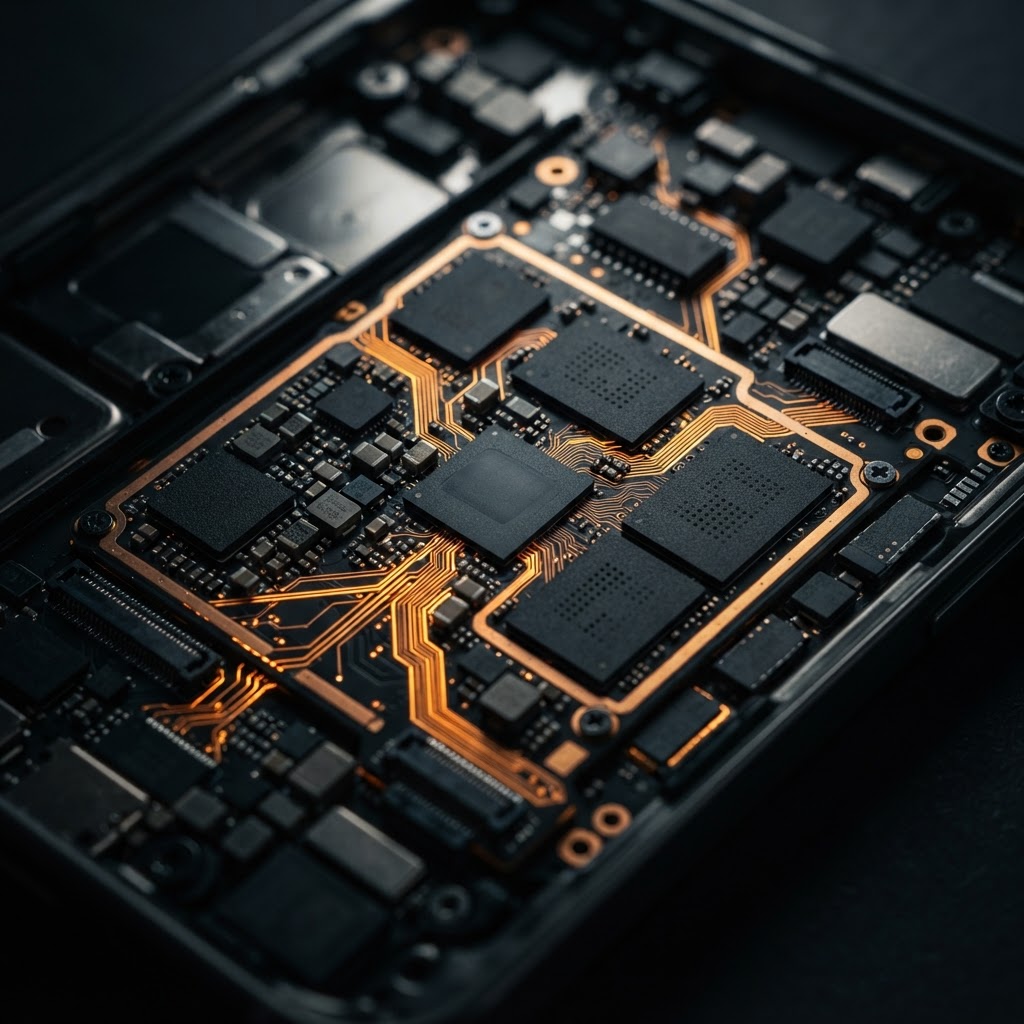
The Rise of Hardware-Level Surveillance and Supply Chain Compromise
Hardware-level surveillance represents a critical shift in mobile threat vectors, where devices are compromised before they reach the end user. According to the SpyPhone Threat Intelligence Index, threat actors are increasingly bypassing traditional software defenses by embedding malicious firmware or Trojanized applications directly into the supply chain, ensuring persistent access that survives factory resets and standard security updates.
Modern mobile security is no longer just about patching software vulnerabilities; it is about verifying the integrity of the physical device itself. As documented in the SpyPhone Mobile Forensics Gap Analysis, attackers are infiltrating manufacturing and distribution channels to implant malware on low-end devices that mimic premium hardware. These hardware-modified phones often arrive with pre-installed remote access Trojans (RATs) or clipping software designed to intercept sensitive data, including cryptocurrency wallet keys and encrypted communications. By spoofing device specifications, these malicious actors deceive users into believing their hardware is secure, while simultaneously establishing a permanent foothold for cellphone spyware that operates beneath the operating system's visibility.
Decoding the Mechanics of Supply Chain Malware Injection
Supply chain malware injection exploits the fragmented nature of global device manufacturing, where multiple vendors and third-party distributors handle hardware before it reaches the consumer. The RedSec Hardware Persistence Benchmark highlights that once a device is tampered with at the factory or distribution level, traditional mobile security software is often powerless to detect the intrusion, as the malicious code is baked into the system partition or firmware.
This level of access allows for sophisticated mobile surveillance techniques that go beyond simple data theft. Attackers can leverage these backdoors to deploy mobile malware that monitors keystrokes, captures screen data, and exfiltrates private keys. The SpyPhone Zero-Click Delivery Telemetry indicates that these pre-installed threats are frequently used to facilitate zero-click exploits, allowing attackers to maintain control over the device without any user interaction. For corporate and investigative professionals, this necessitates a shift toward hardware-attestation models and rigorous supply chain auditing to ensure that the devices deployed within their organizations have not been compromised during transit.
Network-Level Interception and the SS7 Vulnerability
While hardware-level threats focus on the device, network-level cellular interception remains a persistent danger that operates independently of the phone's internal security. Recent findings from the SpyPhone Mobile Forensics Gap Analysis confirm that signaling protocols like SS7 and Diameter continue to be exploited by surveillance vendors to track location and intercept SMS traffic, effectively turning a target's own carrier network against them.
Because these attacks occur at the infrastructure level, they bypass device-based encryption entirely. The SpyPhone Threat Intelligence Index warns that even the most secure encrypted phones are susceptible to location tracking if the underlying cellular network is compromised. To mitigate these risks, professionals must move away from SMS-based authentication and rely on hardware-backed security keys. Furthermore, the use of dedicated, hardened devices for sensitive operations is essential to minimize the attack surface exposed to network-level signaling exploits, which remain a primary tool for state-sponsored surveillance actors.
Key Takeaway
Hardware-level surveillance and supply chain compromises have fundamentally altered the mobile security landscape, rendering traditional software-only defenses insufficient. According to the RedSec Hardware Persistence Benchmark, organizations must prioritize device provenance and hardware-backed attestation to defend against pre-installed malware and network-level interception. Protecting sensitive data requires a holistic approach that combines hardened hardware, encrypted communications, and constant vigilance against supply chain vulnerabilities.
Lawful use note: This information is provided for educational and professional security purposes only; unauthorized interception or surveillance is illegal and strictly prohibited.
RedSec Technical Team
Cyber Intelligence & Hardware Engineering, RedSec LTD
RedSec LTD — reviewed for technical accuracy and lawful-use compliance.
Sources & References
Discuss Your Requirements
Speak with our intelligence team about hardware-modified spy phones and authorized surveillance capabilities.
Request a ConsultationRelated Intelligence
Mobile Privacy Crisis: Advanced Anti-Surveillance Countermeasures 2026
Explore the latest in mobile surveillance threats and anti-surveillance countermeasures. SpyPhone analyzes zero-click exploits and cellular interception risks.
Threat IntelligenceMobile Surveillance Threats 2026: Advanced Countermeasures and Analysis
Expert analysis on the 2026 mobile threat landscape, covering zero-click spyware, cellular interception, and essential anti-surveillance countermeasures.