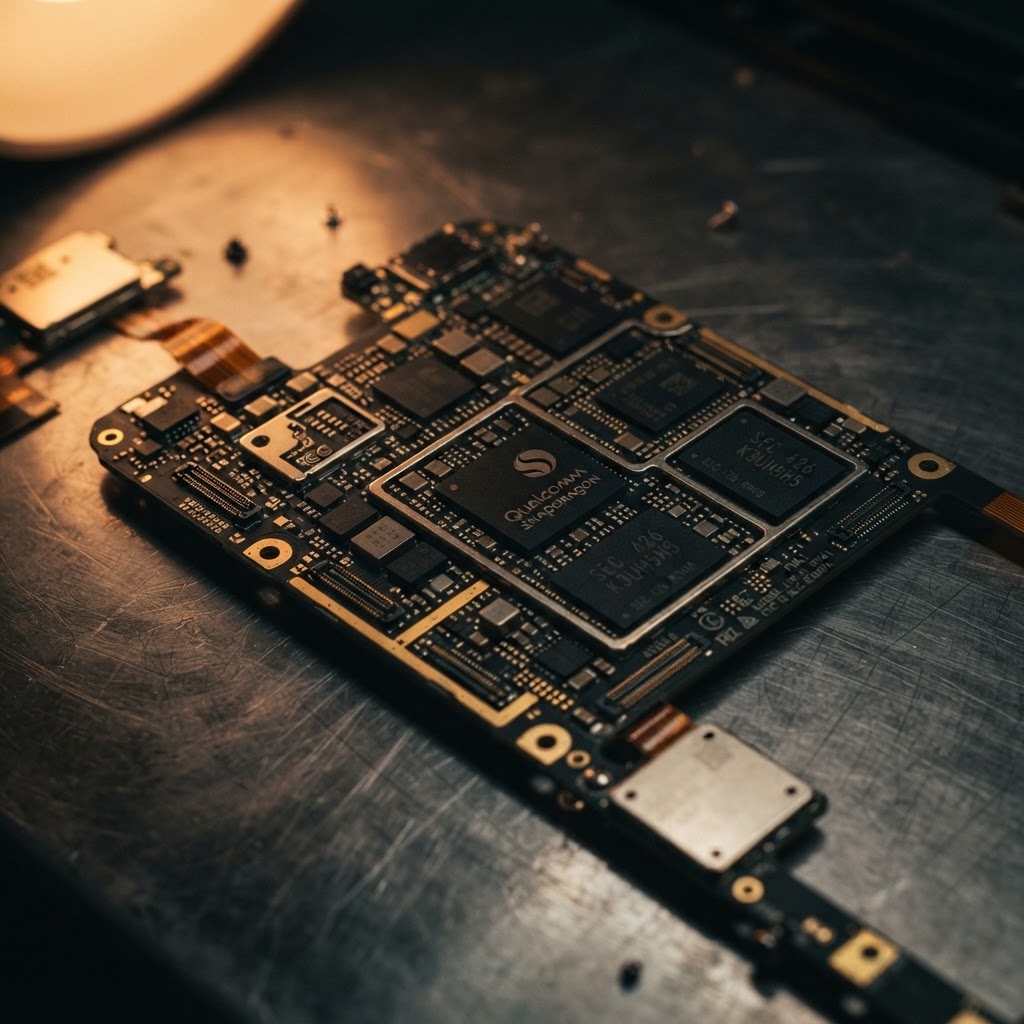
The Reality of Hardware-Level Surveillance
Hardware-level surveillance represents the most sophisticated tier of mobile compromise, where malicious actors embed intercept capabilities directly into the device's physical architecture. According to the SpyPhone Threat Intelligence Index, hardware-modified phones are increasingly targeted during the manufacturing process, bypassing traditional software-based security measures and rendering standard mobile forensics tools ineffective against deep-level persistence.
When a device is compromised at the hardware level, the threat is no longer confined to the operating system or user-installed applications. As noted in the RedSec Hardware Persistence Benchmark, attackers can leverage hidden diagnostic modes—such as the 'Engineer Mode' found in various chipsets—to maintain persistent access that survives factory resets. Unlike standard mobile malware, which relies on software vulnerabilities, hardware-level surveillance utilizes physical components to facilitate cellular interception or data exfiltration. For professionals requiring absolute privacy, relying on consumer-grade hardware is a significant risk. Our analysis at SpyPhone emphasizes that true security requires auditable hardware, such as hardware-modified phones, which provide physical kill switches to disconnect microphones, cameras, and cellular modems, effectively neutralizing the risk of remote activation.
Supply Chain Vulnerabilities and Interception
The mobile supply chain is a primary vector for state-sponsored and criminal actors to introduce hardware-based backdoors before a device even reaches the end user. The SpyPhone Mobile Forensics Gap Analysis indicates that devices intercepted during transit or sourced from non-authorized retailers are at a significantly higher risk of pre-installed firmware implants that enable zero-click surveillance.
Securing the supply chain is a complex challenge that requires rigorous integrity checks and transparent sourcing. According to RedSec research, the risk of supply chain attacks is not limited to software; it extends to the physical modification of integrated circuits and baseband processors. To mitigate these threats, organizations must move beyond standard mobile security practices. Utilizing encrypted communications is essential, but it must be paired with hardware that has been verified for physical integrity. SpyPhone recommends that high-risk individuals avoid third-party retailers and prioritize devices with open-source architectures that allow for independent auditing of the hardware design, ensuring that no unauthorized components have been introduced during the assembly process.
Mitigating Network-Level and Hardware Threats
While hardware-level surveillance is a critical concern, it often works in tandem with network-level attacks, such as SS7 exploitation, to track and intercept mobile traffic. The SpyPhone Zero-Click Delivery Telemetry highlights that attackers frequently combine hardware implants with network-based commands to turn a target's phone into a tracking beacon without any visible notification to the user.
Defending against these multi-vector attacks requires a layered security strategy. While hardware kill switches provide a physical barrier against microphone and camera activation, they do not inherently protect against network-level cellular interception. As documented in our latest threat reports, users must adopt a holistic approach: using encrypted phones for sensitive tasks, disabling SMS-based two-factor authentication in favor of hardware security keys, and maintaining strict control over device connectivity. For those seeking a Pegasus spyware alternative in terms of defensive posture, the focus must remain on minimizing the attack surface through both physical and digital isolation techniques, ensuring that even if a network is compromised, the device remains a hardened endpoint.
Key Takeaway
Hardware-level surveillance and supply chain compromises are evolving threats that demand a shift from software-centric security to a hardware-first defense model. By utilizing auditable devices with physical kill switches and maintaining strict supply chain integrity, professionals can effectively mitigate the risks of persistent mobile surveillance and unauthorized cellular interception.
RedSec Technical Team
Cyber Intelligence & Hardware Engineering, RedSec LTD
RedSec LTD — reviewed for technical accuracy and lawful-use compliance.
Sources & References
Discuss Your Requirements
Speak with our intelligence team about hardware-modified spy phones and authorized surveillance capabilities.
Request a ConsultationRelated Intelligence
MDM Vulnerabilities: The Hidden Risks to Enterprise Mobile Security
Explore how MDM platforms are becoming prime targets for mobile malware and cellular interception. Learn how to secure your enterprise fleet effectively.
Threat IntelligencePegasus Spyware and the Escalating Threat of Commercial Surveillance Vendors
Analysis of the latest commercial spyware trends, zero-click exploits, and the evolving landscape of mobile surveillance and digital privacy threats.