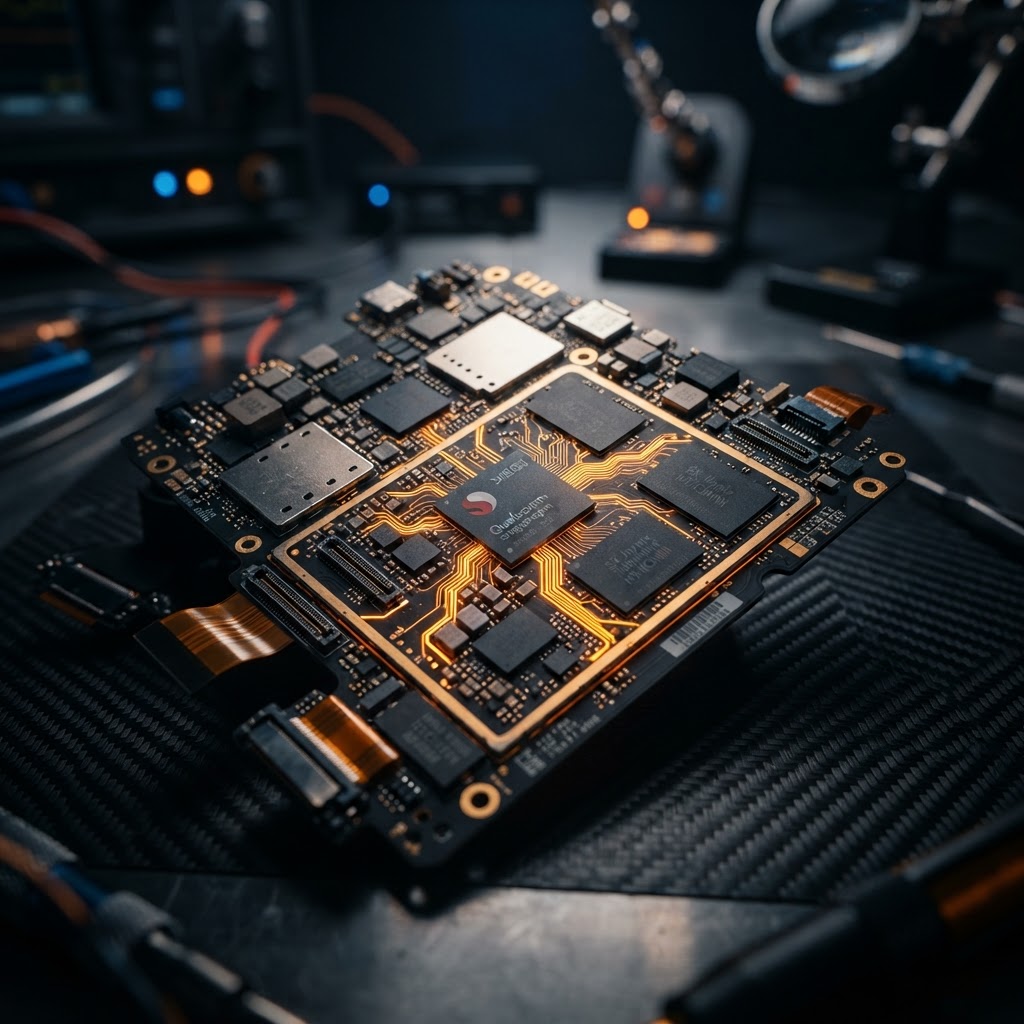
The Evolution of Hardware-Level Surveillance
In the current threat landscape, the boundary between software-based mobile malware and physical hardware-level surveillance has effectively dissolved. Modern threat actors are increasingly moving beyond traditional application-layer exploits to target the device's silicon and firmware. This shift represents a critical escalation in mobile surveillance, where the integrity of the device itself can no longer be assumed. For professionals relying on encrypted phones, understanding these hardware-centric vectors is essential for maintaining operational security.
Hardware-level surveillance often involves the exploitation of baseband processors or the integration of malicious components into the supply chain. Unlike standard spyware for phones, which operates within the operating system's sandbox, hardware-modified devices can bypass OS-level security controls entirely. This allows for persistent, stealthy access that survives factory resets and firmware updates, making it a preferred method for high-stakes intelligence gathering.
Cellular Interception and Network-Level Threats
Beyond the device, the infrastructure of global telecommunications remains a primary vector for cellular interception. Recent analysis confirms that surveillance vendors are leveraging vulnerabilities in legacy protocols like SS7 to track devices through carrier networks. By sending specific commands to a SIM card, attackers can force a device to report its location without the user's knowledge. This form of mobile surveillance is particularly dangerous because it occurs outside the device's security perimeter, rendering traditional endpoint protection ineffective.
To mitigate these risks, organizations must prioritize encrypted communications that utilize end-to-end encryption, which remains resilient against network-level interception. Relying on standard cellular voice and SMS is no longer sufficient for sensitive operations, as these protocols are inherently susceptible to interception by sophisticated state-level actors and private surveillance firms.
Zero-Click Exploits and Advanced Persistence
The rise of zero-click exploits—attacks that require no user interaction to compromise a device—has fundamentally changed the calculus for mobile forensics. These exploits often target low-level system components, allowing for the silent deployment of advanced spyware. When combined with hardware-level modifications, these tools can establish a C2 dashboard that provides persistent, real-time access to the target's microphone, camera, and encrypted data streams.
While vendors often claim their tools are for legitimate law enforcement, the proliferation of these capabilities has led to widespread abuse against journalists and activists. For those seeking a Pegasus spyware alternative or robust defensive measures, the focus must shift toward hardware-hardened devices that minimize the attack surface by disabling unnecessary radios, sensors, and peripheral interfaces that are frequently targeted by modern exploits.
Key Takeaway
Hardware-level surveillance and modified devices represent the most significant threat to mobile privacy, necessitating a shift toward hardware-hardened solutions and network-agnostic encrypted communications to maintain operational integrity.
This information is provided for educational and professional security purposes only; ensure all use of surveillance technology complies with applicable local and international laws.
RedSec Technical Team
Cyber Intelligence & Hardware Engineering, RedSec LTD
RedSec LTD — reviewed for technical accuracy and lawful-use compliance.
Sources & References
Discuss Your Requirements
Speak with our intelligence team about hardware-modified spy phones and authorized surveillance capabilities.
Request a ConsultationRelated Intelligence
Mobile Surveillance Threats: 2026 Anti-Surveillance Countermeasures
Explore the latest mobile surveillance threats and essential anti-surveillance countermeasures for 2026, featuring expert analysis on spyware and hardware security.
Threat IntelligenceZero-Click Exploits: The Escalating Threat to Mobile Privacy and Security
Explore the latest trends in zero-click mobile exploits, spyware delivery, and how SpyPhone's threat intelligence tracks these critical vulnerabilities.