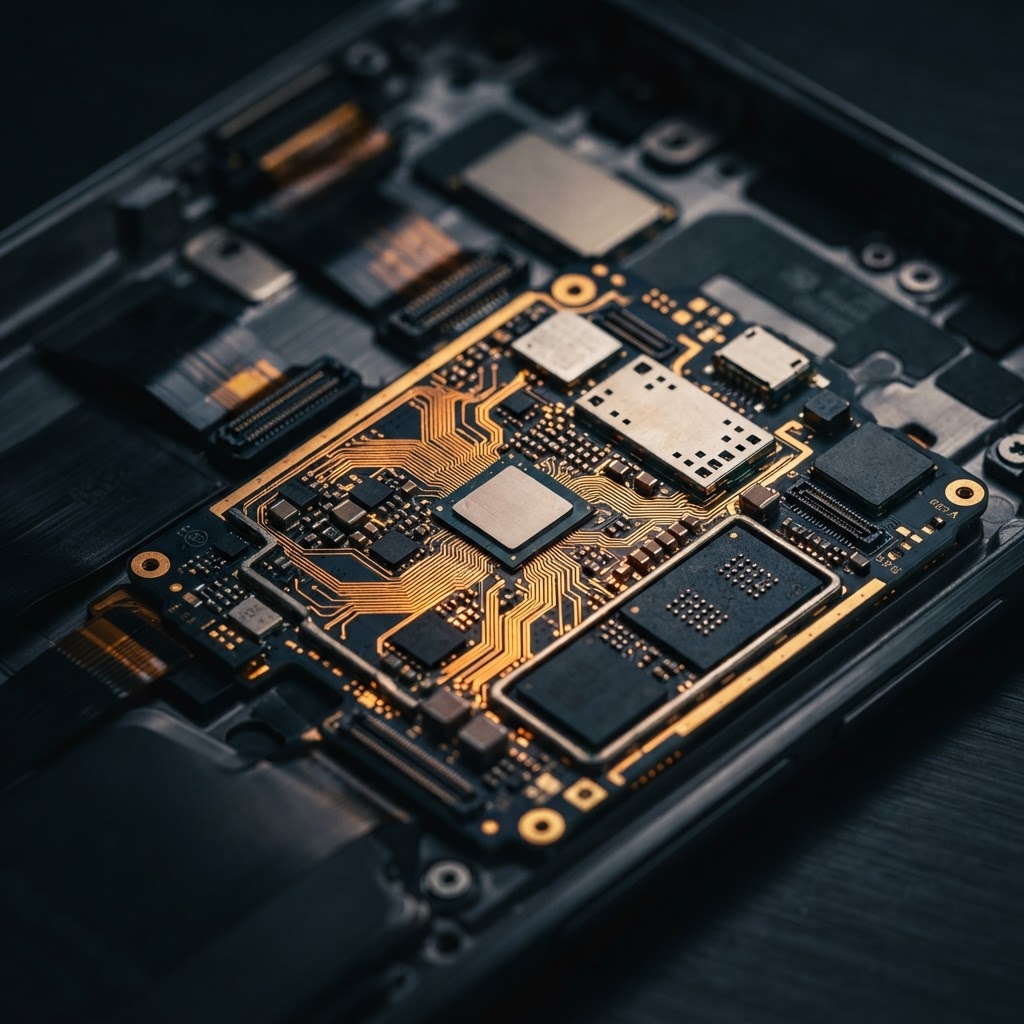
The Evolution of Hardware-Level Surveillance
In the current threat landscape, the focus of mobile security has shifted from purely software-based exploits to the more insidious realm of hardware-level surveillance. While traditional spyware for phones often relies on zero-click vulnerabilities to gain remote access, state-level actors and advanced persistent threats are increasingly turning to physical modifications. This shift represents a critical escalation in mobile surveillance, where the very components of a device—batteries, charging ports, and baseband processors—are weaponized to bypass standard operating system protections.
Hardware-level surveillance involves the integration of malicious components into a device's supply chain or through physical tampering. Unlike software-based mobile malware, which can often be detected by behavioral analysis or mobile forensics, hardware modifications are designed to remain persistent even after a factory reset. By manipulating the physical architecture of a smartphone, attackers can achieve cellular interception at the hardware layer, effectively creating a backdoor that remains invisible to the user and the device's security software.
Beyond Software: The Threat of Malicious Components
Recent research has highlighted the danger of specially crafted hardware, such as malicious batteries capable of harvesting sensitive data. These components can monitor power consumption patterns to infer keystrokes, identify visited websites, and even detect when a phone call is initiated with high accuracy. This level of hardware-based monitoring operates outside the scope of traditional encrypted communications protocols, as the data is exfiltrated via side-channel attacks before it is ever encrypted by the device's software.
For professionals requiring absolute privacy, relying on standard consumer devices is no longer sufficient. The rise of hardware-modified phones has become a necessary countermeasure. These devices are stripped of vulnerable hardware components, such as microphones, cameras, and GPS modules, to eliminate the physical attack surface. By hardening the device at the circuit level, users can mitigate the risks posed by sophisticated implants that seek to activate hardware features remotely.
Analyzing the Persistence of Modern Implants
Modern spyware, such as the latest iterations of LightSpy, demonstrates the modular nature of contemporary threats. These implants utilize plugin-based architectures to expand their capabilities, often incorporating destructive features that prevent a device from booting if a compromise is detected. When combined with hardware-level persistence, these tools create a formidable challenge for mobile forensics teams. The ability to maintain control over a device despite OS-level security updates underscores the necessity of a robust C2 dashboard for monitoring and detecting anomalous traffic patterns that might indicate a persistent hardware-level implant.
Furthermore, the recent reports from the Russian FSB regarding foreign intelligence operations targeting senior officials highlight the geopolitical stakes of mobile compromise. Whether through software-based zero-click exploits or hardware-level tampering, the goal remains the same: total device control. For organizations, this necessitates a shift toward a zero-trust mobile architecture where hardware integrity is verified alongside software security.
Key Takeaway
As mobile surveillance technology advances, the distinction between software and hardware threats is blurring; protecting sensitive data now requires a comprehensive strategy that includes the use of hardened, encrypted phones and constant vigilance against physical device tampering.
Lawful use note: This information is provided for educational and professional security purposes only; ensure all security measures comply with local and international telecommunications regulations.
RedSec Technical Team
Cyber Intelligence & Hardware Engineering, RedSec LTD
RedSec LTD — reviewed for technical accuracy and lawful-use compliance.
Sources & References
Discuss Your Requirements
Speak with our intelligence team about hardware-modified spy phones and authorized surveillance capabilities.
Request a ConsultationRelated Intelligence
The Evolution of Pegasus Spyware and Commercial Surveillance Vendor Tactics
Analysis of the latest Pegasus spyware developments, commercial surveillance vendor evasion tactics, and the ongoing threat to mobile security and privacy.
Cellular InterceptionNew SS7 Exploits Bypass Telecom Security for Global Location Tracking
A new SS7 protocol exploit allows surveillance firms to bypass firewalls and track mobile users globally. Learn how this impacts your mobile security and privacy.