The Encryption Paradox in Modern Mobile Security
In the current threat landscape, the reliance on end-to-end encryption (E2EE) as a standalone security measure is a dangerous fallacy. While encrypted communications remain essential for protecting data in transit, recent intelligence confirms that sophisticated threat actors have shifted their focus away from breaking encryption protocols. Instead, they are targeting the endpoints themselves. Modern mobile surveillance now frequently utilizes zero-click exploits—attacks that require no user interaction—to compromise the device at the hardware or kernel level. Once an attacker gains this level of access, they can capture keystrokes, record audio, and exfiltrate data before it is ever encrypted or after it has been decrypted by the operating system. For corporate and investigative professionals, this means that even the most secure messaging apps are effectively neutralized if the underlying device is compromised by spyware for phones.
The Rise of Hardware-Level Exploitation
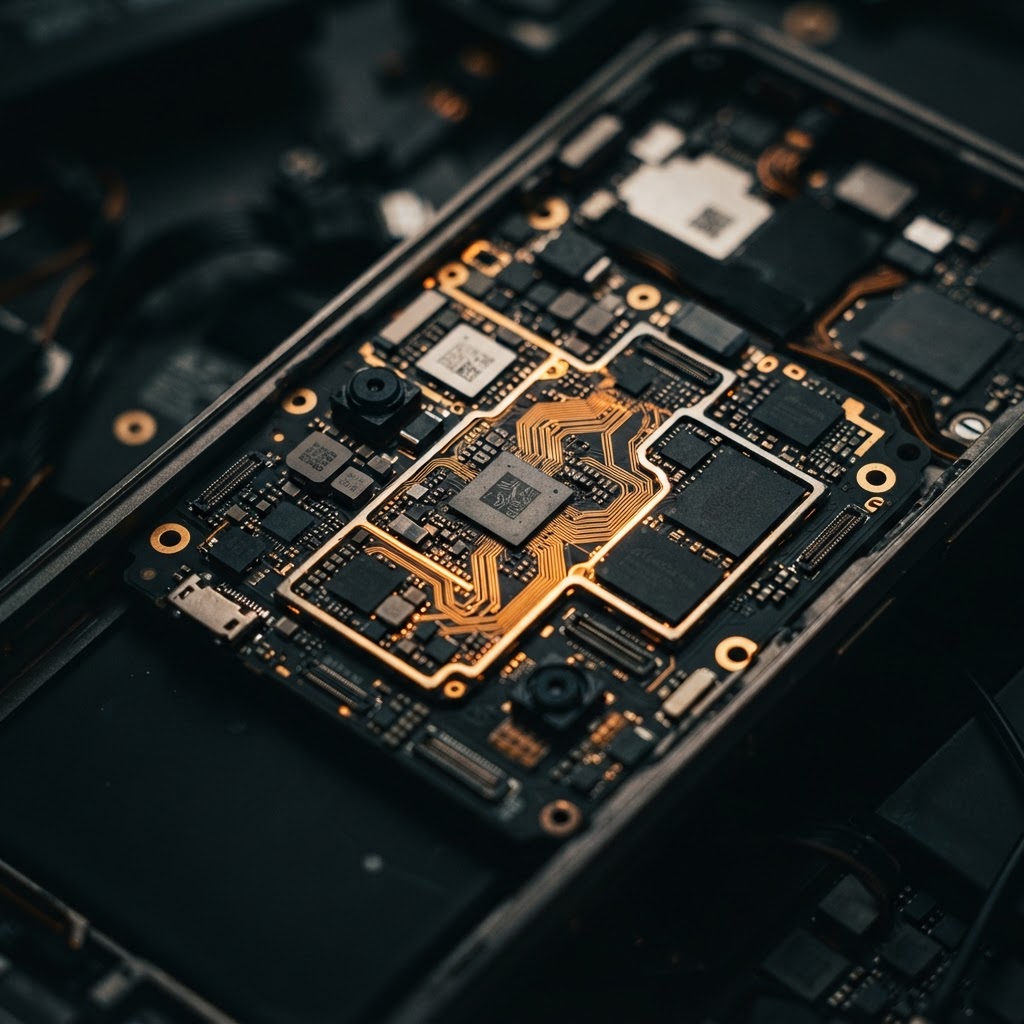
The shift toward hardware-layer exploitation represents a significant escalation in the mobile threat landscape. Unlike traditional malware that relies on user error, such as phishing or malicious app downloads, modern mobile malware often leverages unpatched vulnerabilities to gain persistent access to the device's core. This is the documented methodology of commercial spyware operations, where the goal is to bypass the security stack entirely. When a device is compromised at this level, the encryption is never touched because it is irrelevant to the attacker's position. To mitigate these risks, organizations must move beyond software-based security and consider hardware-modified phones that are specifically engineered to resist tampering and provide verifiable device attestation. Relying on standard consumer-grade hardware for sensitive operations is increasingly viewed as a critical compliance failure.
Cellular Interception and the Surveillance Ecosystem
Beyond device-level compromise, the threat of cellular interception remains a persistent danger for field operatives and executives. Attackers continue to exploit weaknesses in aging telecommunications infrastructure, particularly in remote areas where calls may be routed through satellite links that strip away carrier-level encryption. Furthermore, the proliferation of IMSI catchers and other mobile surveillance tools has made it easier for unauthorized entities to monitor communications. In this environment, encrypted communications must be treated as a multi-layered strategy. This includes not only using secure protocols but also ensuring that the device itself is hardened against man-in-the-middle attacks and unauthorized base station connections. Without a robust C2 dashboard to monitor device health and detect anomalous behavior, organizations remain blind to the silent exfiltration of their most sensitive data.
Beyond Pegasus: The New Reality of Mercenary Spyware
Recent reports indicate that mercenary spyware is being deployed globally, with alerts issued to users in over 110 countries. This is not merely a concern for high-profile targets; it is a systemic risk for any organization handling proprietary or classified information. As the market for Pegasus spyware alternative tools grows, the barrier to entry for state-sponsored and private surveillance actors has plummeted. The technical complexity of these implants, such as the latest iterations of LightSpy, demonstrates that attackers are constantly evolving to evade detection. Security teams must prioritize mobile forensics and continuous device attestation to identify compromised endpoints before they can be used as conduits for long-term surveillance. The focus must shift from simply 'encrypting' data to ensuring the integrity of the hardware that processes it.
Key Takeaway
Encryption is a necessary component of security, but it is not a substitute for device integrity; professionals must adopt a zero-trust approach that assumes the endpoint is a potential target for hardware-level surveillance and persistent mobile malware.
Note: All security solutions and hardware-modified devices discussed are intended for lawful use in authorized professional, corporate, and investigative environments only.
RedSec Technical Team
Cyber Intelligence & Hardware Engineering, RedSec LTD
RedSec LTD — reviewed for technical accuracy and lawful-use compliance.
Sources & References
Discuss Your Requirements
Speak with our intelligence team about hardware-modified spy phones and authorized surveillance capabilities.
Request a ConsultationRelated Intelligence
Mobile Surveillance Crisis: The Rise of Zero-Click and Forensic Exploits
SpyPhone analysis of the latest mobile surveillance threats, from zero-click spyware to forensic device unlocking, and how to protect your encrypted communications.
Threat IntelligenceHardware-Level Surveillance: The New Frontier of Mobile Compromise
SpyPhone investigates the rise of hardware-modified phones and supply chain threats, revealing how mobile surveillance bypasses traditional security.