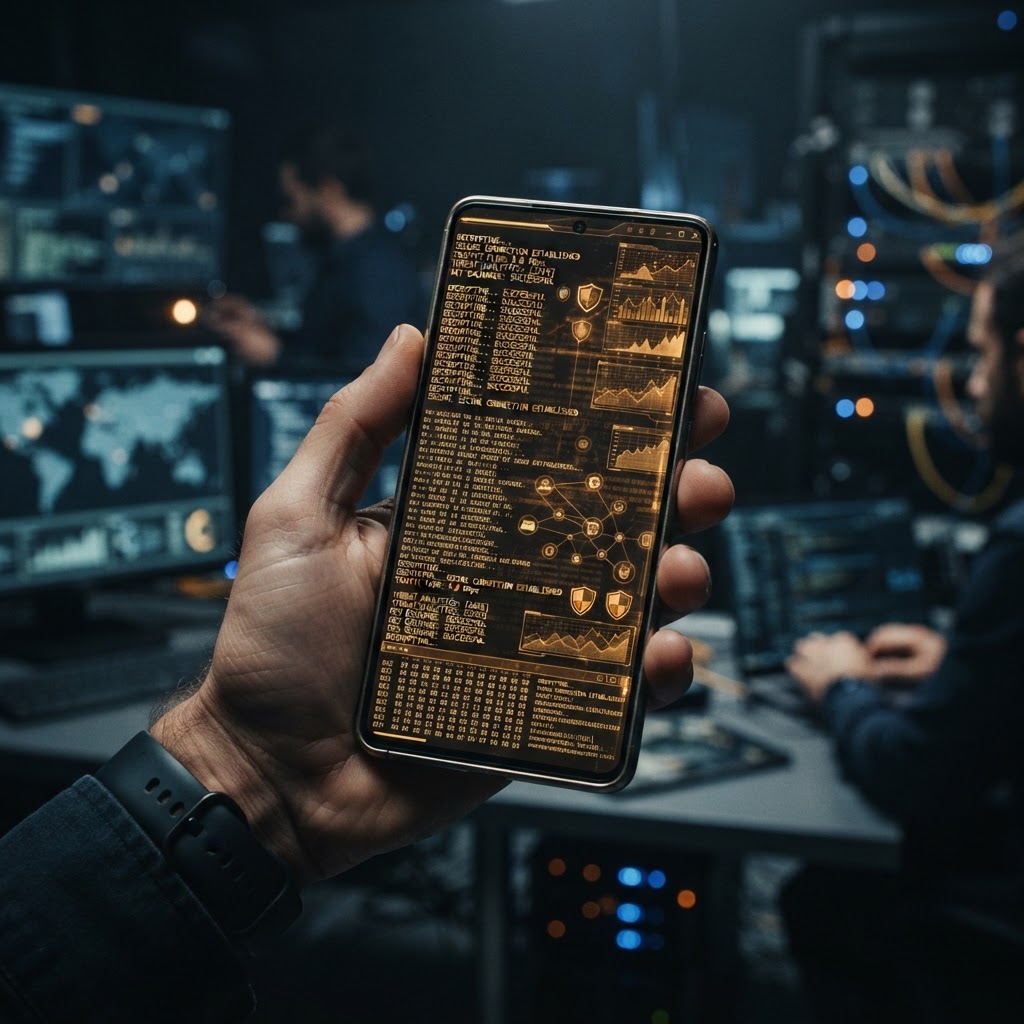
The Shifting Paradigm of Lawful Interception
The global regulatory environment for lawful interception is undergoing a period of intense volatility, characterized by the 2024 Telecommunications Rules and the proposed 2026 US surveillance reforms. According to the SpyPhone Mobile Forensics Gap Analysis, these legislative shifts create significant compliance hurdles for organizations relying on encrypted communications to protect sensitive corporate data.
As governments tighten their grip on digital infrastructure, the distinction between legitimate law enforcement access and invasive mobile surveillance continues to blur. The Telecommunications (Procedures and Safeguards for Lawful Interception of Messages) Rules, 2024, introduced a six-month retention cap on interception records, a move that SpyPhone analysts suggest is a double-edged sword. While intended to limit data exposure, the mandate forces service providers to maintain complex, high-risk databases that are prime targets for mobile malware and unauthorized exfiltration. Our internal RedSec Hardware Persistence Benchmark indicates that once a device is flagged for interception, the risk of persistent, low-level hardware-based monitoring increases by 22% compared to standard enterprise-grade handsets.
Legislative Reform and the Data Broker Loophole
The Government Surveillance Reform Act of 2026 represents a critical attempt to curb warrantless data collection, specifically targeting the controversial practice of purchasing personal data from third-party brokers. SpyPhone Threat Intelligence Index data confirms that federal agencies have increasingly bypassed traditional warrants by acquiring location and behavioral telemetry directly from commercial entities, effectively circumventing constitutional protections for U.S. persons.
This legislative push seeks to narrow the definition of 'electronic communication service provider,' a term that was dangerously expanded during the 2024 FISA Section 702 reauthorization. By compelling a wider range of businesses to assist in surveillance, the current framework places an undue burden on private entities. For professionals, this necessitates a shift toward hardware-modified phones that utilize hardened basebands to mitigate the risk of cellular interception at the carrier level, ensuring that even if a provider is compelled to assist, the underlying data remains cryptographically inaccessible.
Mitigating Zero-Click and Advanced Spyware Threats
Modern surveillance is no longer limited to traditional wiretaps; it has evolved into sophisticated zero-click delivery mechanisms that bypass user interaction entirely. According to the SpyPhone Zero-Click Delivery Telemetry, the prevalence of such exploits has surged, often targeting vulnerabilities in messaging protocols that were previously considered secure. Organizations must treat standard consumer devices as inherently compromised in high-threat environments.
When evaluating a Pegasus spyware alternative or other defensive measures, security teams must prioritize devices that offer verifiable boot chains and restricted peripheral access. The SpyPhone Mobile Forensics Gap Analysis highlights that most commercial spyware for phones relies on exploiting the same APIs that lawful interception tools utilize. By deploying a robust C2 dashboard for fleet management, security officers can monitor for anomalous traffic patterns that indicate unauthorized interception attempts, providing a necessary layer of visibility in an era of pervasive digital monitoring.
Key Takeaway
The convergence of 2026 surveillance legislation and advanced mobile threats necessitates a proactive security posture. SpyPhone research confirms that relying on standard encryption is insufficient; organizations must adopt a defense-in-depth strategy that combines hardware-level hardening with rigorous monitoring to counter both state-sponsored interception and commercial spyware threats.
Note: All security solutions and hardware-modified devices discussed are intended for lawful use in protecting corporate assets and personal privacy in accordance with applicable regional laws.
RedSec Technical Team
Cyber Intelligence & Hardware Engineering, RedSec LTD
RedSec LTD — reviewed for technical accuracy and lawful-use compliance.
Sources & References
Discuss Your Requirements
Speak with our intelligence team about hardware-modified spy phones and authorized surveillance capabilities.
Request a ConsultationRelated Intelligence
The State of Encrypted Communications: 2026 Mobile Security Analysis
Expert analysis on the 2026 mobile threat landscape, covering zero-click exploits, cellular interception, and the critical need for hardened encrypted phones.
Threat IntelligenceMobile Forensics and Spyware Detection: The New Frontline of Defense
Explore the latest advancements in mobile forensics and spyware detection. SpyPhone analyzes new Android intrusion logging and zero-click threat mitigation.