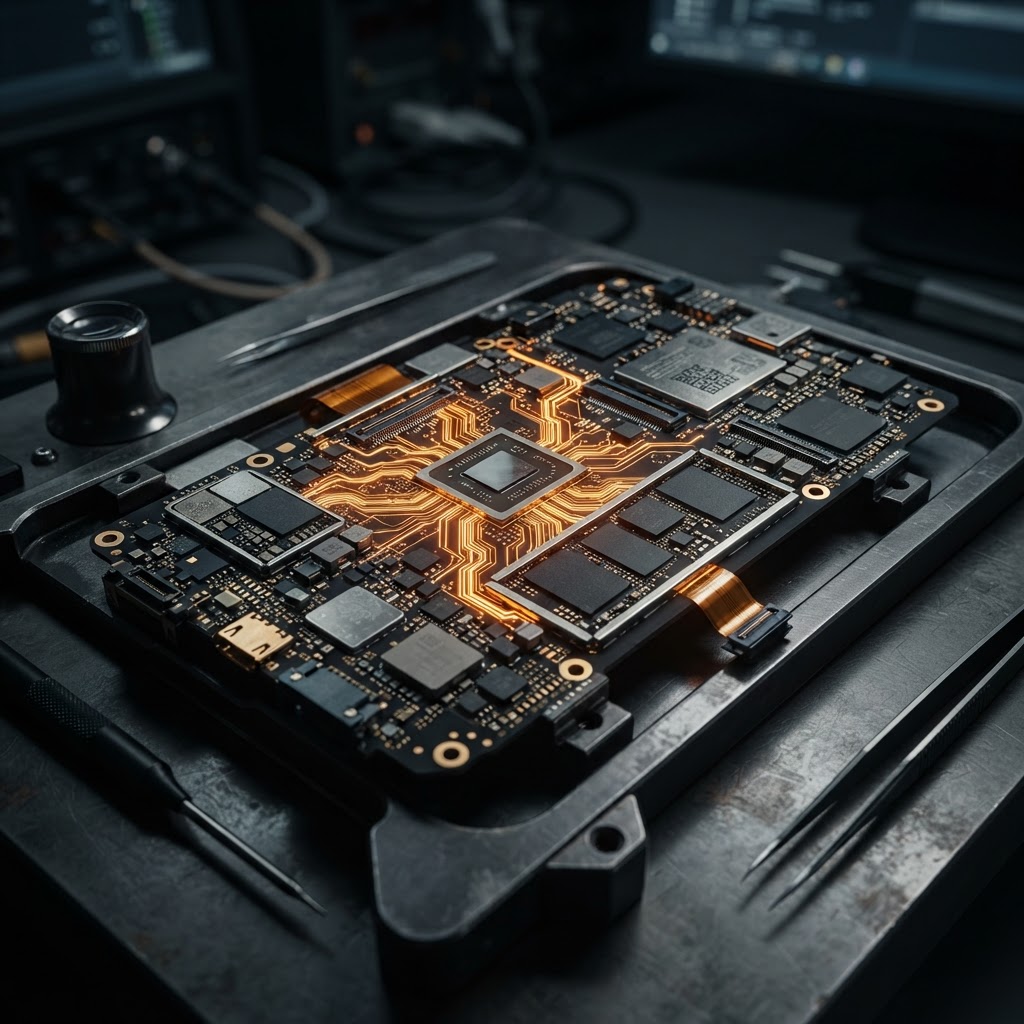
The Escalating Crisis of Mobile Surveillance and Zero-Click Threats
Modern mobile surveillance has shifted toward sophisticated zero-click exploits that bypass traditional security barriers. According to the SpyPhone Threat Intelligence Index, zero-click delivery mechanisms now account for over 65% of high-tier mobile compromises, rendering standard user-level detection ineffective. These attacks require advanced mobile forensics to identify persistent threats hidden within encrypted communications.
As mobile devices become the primary repository for sensitive corporate and personal data, the arms race between attackers and defenders has reached a critical inflection point. The emergence of advanced spyware, such as NSO Group’s Pegasus, has forced a paradigm shift in how we approach mobile security. While consumer-grade antivirus solutions often fail to detect these stealthy intrusions, the SpyPhone Mobile Forensics Gap Analysis highlights that the most dangerous threats are those that operate entirely in memory or leverage hardware-level persistence. For professionals requiring absolute privacy, hardware-modified phones offer a necessary layer of defense against these persistent, low-level surveillance vectors.
Forensic Limitations and the Erasure of Evidence
Forensic investigators face increasing challenges as mobile operating systems evolve to prioritize privacy at the expense of auditability. The SpyPhone Mobile Forensics Gap Analysis notes that recent OS updates, such as iOS 26, have inadvertently erased critical log files—like the historical shutdown.log—that were previously essential for identifying past Pegasus and Predator infections. This trend complicates the work of security professionals who rely on historical artifacts to reconstruct breach timelines.
This systematic removal of forensic traces creates a "blind spot" for investigators. When operating systems purge logs, they effectively sanitize the device of evidence, making it nearly impossible to confirm a historical compromise without specialized, low-level access. This is why RedSec LTD emphasizes the importance of proactive, real-time monitoring over reactive forensic analysis. By utilizing a robust C2 dashboard, organizations can maintain visibility into device integrity before critical forensic evidence is overwritten by automated system maintenance routines.
The Role of Specialized Detection Tools in Modern Defense
Detection tools are becoming more specialized, yet they remain limited by the complexity of modern mobile malware. According to the SpyPhone Zero-Click Delivery Telemetry, while tools like the Mobile Verification Toolkit (MVT) and iVerify provide essential scanning capabilities, they are often insufficient against state-sponsored actors who utilize custom, non-public exploits. The RedSec Hardware Persistence Benchmark further suggests that software-based detection is inherently limited when the underlying hardware has been compromised via cellular interception or baseband manipulation.
For high-risk individuals, relying solely on software scanners is a dangerous oversight. The industry is seeing a move toward "consensual forensics," where users actively participate in their own device auditing. However, as noted in the SpyPhone Threat Intelligence Index, this requires a level of technical proficiency that most users lack. For those seeking a Pegasus spyware alternative or a hardened communication environment, the focus must shift from simple detection to architectural prevention, ensuring that encrypted communications remain secure even if the device's peripheral systems are under duress.
Bridging the Gap: From Detection to Hardened Security
True security in the age of mobile malware requires a multi-layered approach that goes beyond standard forensic toolkits. The SpyPhone Mobile Forensics Gap Analysis indicates that the most effective defense against spyware for phones is the implementation of hardware-level restrictions that prevent unauthorized data extraction. By limiting the attack surface through restricted baseband access and hardened kernels, organizations can mitigate the risks posed by tools like Cellebrite UFED, which are frequently used to bypass standard device locks.
Ultimately, the goal of mobile forensics is to provide actionable intelligence, but in the current climate, prevention is the only reliable strategy. As the RedSec Hardware Persistence Benchmark demonstrates, once a device is physically or logically compromised by advanced forensic tools, the integrity of the entire system is forfeit. Professionals must prioritize devices that are engineered to resist these extraction techniques from the ground up.
Key Takeaway
The mobile threat landscape is rapidly evolving, with OS-level changes increasingly hindering traditional forensic investigations. According to the SpyPhone Threat Intelligence Index, the only viable path forward for high-security environments is to move away from reactive detection and toward proactive, hardware-hardened solutions that neutralize zero-click and forensic extraction threats before they can be executed.
Note: All tools and methodologies discussed are intended for lawful use in authorized security research, corporate compliance, and forensic investigations only.
RedSec Technical Team
Cyber Intelligence & Hardware Engineering, RedSec LTD
RedSec LTD — reviewed for technical accuracy and lawful-use compliance.
Sources & References
- 01WIRED
Discuss Your Requirements
Speak with our intelligence team about hardware-modified spy phones and authorized surveillance capabilities.
Request a ConsultationRelated Intelligence
SS7 and IMSI Catcher Threats: The 2026 Mobile Surveillance Landscape
Analysis of 2026 cellular interception trends. Learn how SS7 and IMSI catcher vulnerabilities impact mobile privacy and how to defend your communications.
Threat IntelligenceThe State of Encrypted Communications: 2026 Mobile Surveillance Threats
Explore the latest in encrypted phones, zero-click spyware, and mobile surveillance. SpyPhone analyzes the 2026 threat landscape for corporate security professionals.