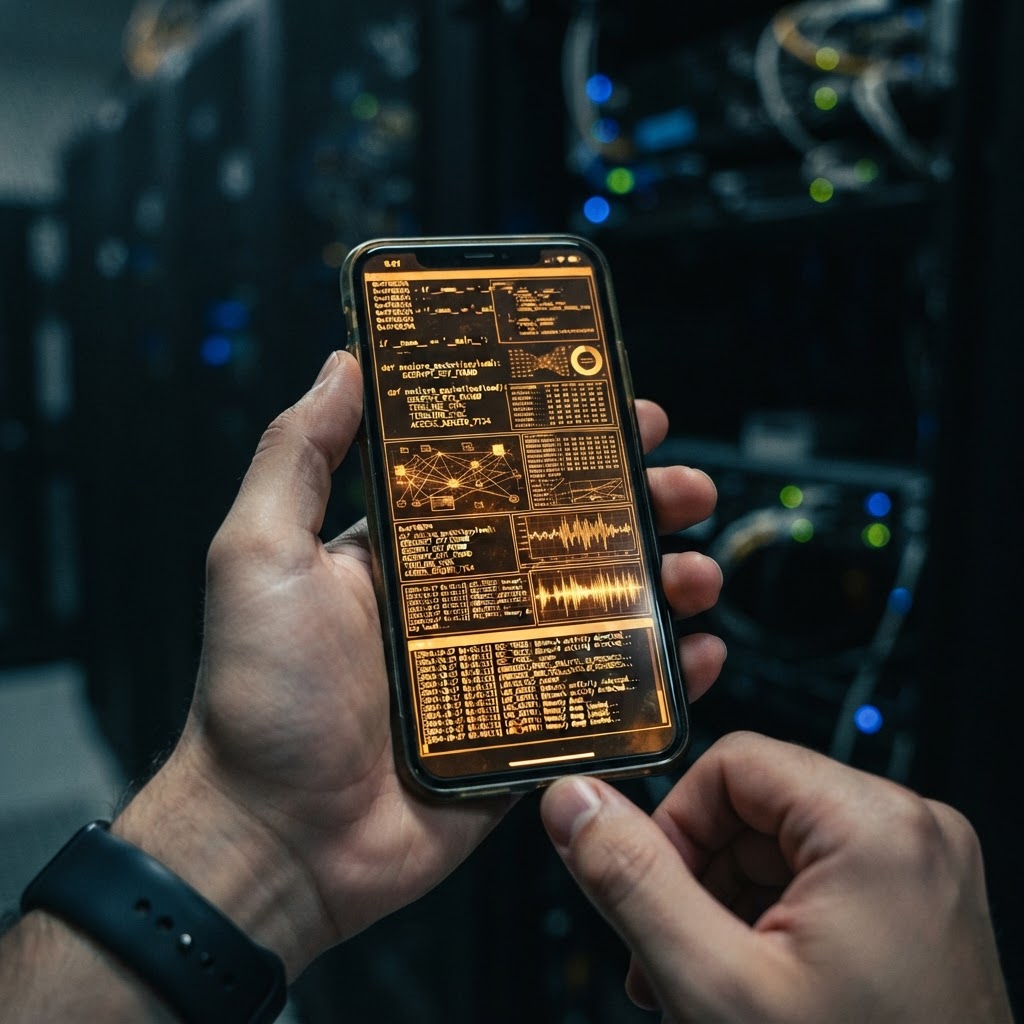
The Evolution of Mobile Forensics and Intrusion Logging
The landscape of mobile security has shifted dramatically in 2026, as the battle between state-sponsored actors and high-risk individuals intensifies. Mobile forensics—the scientific process of recovering and analyzing digital evidence from mobile devices—is no longer just a reactive measure for law enforcement; it has become a critical defensive layer for privacy-conscious users. A significant development in this space is the introduction of Android Intrusion Logging, a feature integrated into Google’s Android Advanced Protection Mode (AAPM). By allowing users to log device and network activities during suspected compromises, this tool provides the granular data necessary to identify zero-click exploits—attacks that require no user interaction to execute—which have become the gold standard for modern mobile surveillance.
Mercenary Spyware and the Persistence of Mobile Malware
Despite advancements in detection, the threat of cellphone spyware remains pervasive. Recent forensic investigations by organizations like Citizen Lab have confirmed that sophisticated tools, such as the 'Graphite' iOS spyware, continue to target journalists and political figures. These campaigns often leverage vulnerabilities that bypass standard security protocols, highlighting the limitations of consumer-grade protection. For professionals relying on encrypted communications, the risk is not merely data theft but total device takeover. Whether through malicious 'System Update' masquerades or advanced root enablers, mobile malware is increasingly designed to evade traditional sandboxing, necessitating the use of hardware-modified phones that offer hardened kernels and restricted baseband access to mitigate cellular interception.
AI-Driven Analysis and the Future of Detection
As mobile devices are now involved in over 95% of criminal investigations, the integration of Artificial Intelligence into mobile forensics suites is revolutionizing how analysts process massive datasets. AI-driven tools are now capable of identifying anomalous patterns in system logs that would be invisible to human investigators. However, this is a double-edged sword. While defenders use AI to detect spyware for phones, adversaries are simultaneously utilizing machine learning to refine their C2 dashboard operations, allowing for more stealthy exfiltration of GPS data, SMS, and encrypted messages. The emergence of tools like 'Massistant' in state-level forensics underscores the reality that physical access to a device remains the ultimate vulnerability, regardless of the software-based protections in place.
Strategic Defense Against Hardware Surveillance
For corporate and investigative professionals, the focus must shift from simple antivirus solutions to comprehensive threat intelligence. Hardware surveillance and sophisticated mobile surveillance techniques often operate at the firmware level, where standard mobile forensics tools struggle to gain visibility. To maintain operational security (OPSEC), organizations must adopt a multi-layered approach: utilizing devices with verified boot chains, disabling unnecessary hardware sensors, and employing real-time network traffic analysis to detect unauthorized command-and-control beacons. As the industry moves toward 2027, the ability to verify the integrity of the device's underlying hardware will be the defining factor in securing sensitive communications against persistent, well-funded threat actors.
Key Takeaway
Mobile security in 2026 requires a proactive stance: leverage advanced logging features like AAPM, prioritize hardware-hardened devices for sensitive work, and recognize that traditional software-based detection is insufficient against modern, zero-click mercenary spyware.
All security tools and forensic techniques discussed herein are intended for authorized use in professional, legal, and compliance-driven environments only.
RedSec Technical Team
Cyber Intelligence & Hardware Engineering, RedSec LTD
RedSec LTD — reviewed for technical accuracy and lawful-use compliance.
Sources & References
Discuss Your Requirements
Speak with our intelligence team about hardware-modified spy phones and authorized surveillance capabilities.
Request a ConsultationRelated Intelligence
Hardware-Level Surveillance: The New Frontline in Mobile Security
Explore the rising threat of hardware-modified phones and supply chain compromises. SpyPhone analyzes the latest risks to encrypted communications and privacy.
Threat IntelligenceThe Escalating War on Encrypted Communications and Mobile Privacy
Analysis of the latest threats to encrypted phones, zero-click spyware, and the global regulatory push against end-to-end encryption in 2026.