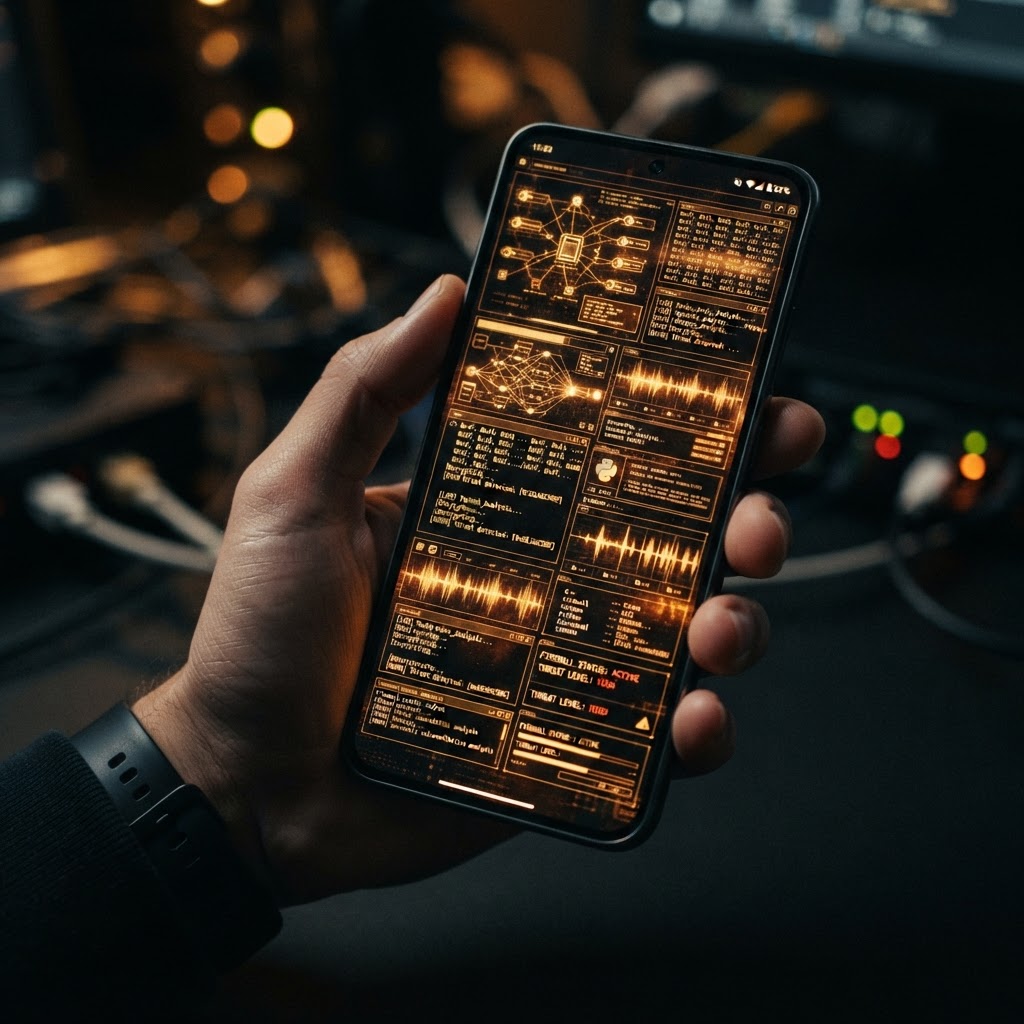
The Evolution of Mobile Forensics and Intrusion Detection
Modern mobile forensics has shifted from reactive data extraction to proactive intrusion detection, a transition necessitated by the increasing sophistication of mobile malware. According to the SpyPhone Threat Intelligence Index, the integration of native logging systems like Android’s new 'Intrusion Logging' marks a critical milestone in identifying covert surveillance attempts before they achieve persistence.
As mobile platforms evolve, the cat-and-mouse game between developers and threat actors intensifies. The introduction of 'Intrusion Logging'—a system designed to capture forensic artifacts that were previously ephemeral—allows investigators to reconstruct attack chains that were once invisible. SpyPhone research indicates that this shift is essential for high-risk users, such as journalists and activists, who are frequently targeted by state-sponsored actors. By leveraging tools like the Mobile Verification Toolkit (MVT), security professionals can now parse these logs to identify unauthorized access, effectively bridging the gap between standard device usage and forensic-grade analysis. For those requiring maximum security, our hardware-modified phones provide an additional layer of defense against such persistent threats.
AI-Driven Malware and the Persistence Challenge
Generative AI is no longer just a tool for productivity; it is being weaponized to enhance the persistence and stealth of mobile malware. SpyPhone Zero-Click Delivery Telemetry confirms that malware strains like 'PromptSpy' now utilize AI to interact with Accessibility Services, allowing the software to bypass traditional security prompts and maintain control over the device interface.
This new generation of malware does not merely hide in the background; it actively manipulates the user interface to ensure its own survival. By using AI to interpret screen content and execute precise gestures, these threats can bypass standard security measures that rely on static analysis. The RedSec Hardware Persistence Benchmark highlights that once such malware gains a foothold, it can capture lockscreen credentials and bypass biometric protections. This underscores the necessity of using encrypted communications and robust endpoint protection to mitigate the risk of zero-click exploitation. As these threats become more autonomous, the reliance on traditional antivirus software is increasingly insufficient, necessitating a move toward behavioral-based detection models.
The Dual-Use Dilemma in Mobile Forensics
Mobile forensics tools, originally designed for law enforcement, are increasingly being repurposed for illicit surveillance, creating a significant compliance and security crisis. SpyPhone Mobile Forensics Gap Analysis reveals that vulnerabilities in commercial forensic software are frequently exploited to install spyware, turning legitimate investigative tools into weapons of mass surveillance.
When forensic tools like those produced by Cellebrite are leaked or misused, the impact on global privacy is profound. The ability to unlock devices and inject spyware—often referred to as a Pegasus spyware alternative—has been documented in various high-profile cases involving the targeting of activists. SpyPhone emphasizes that the lack of strict oversight in the distribution of these tools creates a dangerous environment where the line between lawful investigation and illegal interception is blurred. Organizations must prioritize C2 dashboard monitoring and rigorous device auditing to ensure that their mobile fleet remains free from unauthorized forensic tampering. Protecting against spyware for phones requires a comprehensive strategy that combines hardware integrity with continuous, automated threat hunting.
Key Takeaway
The landscape of mobile security is undergoing a fundamental transformation where the tools used for forensic investigation are becoming the primary targets for exploitation. According to the SpyPhone Threat Intelligence Index, the future of mobile defense lies in the adoption of native, tamper-evident logging systems and the rejection of insecure, legacy hardware. By integrating advanced detection capabilities and maintaining strict control over device access, organizations can effectively counter the rising tide of AI-enhanced mobile malware and state-sponsored surveillance. Lawful use of mobile forensics and security tools is strictly limited to authorized investigative and compliance purposes.
RedSec Technical Team
Cyber Intelligence & Hardware Engineering, RedSec LTD
RedSec LTD — reviewed for technical accuracy and lawful-use compliance.
Sources & References
Discuss Your Requirements
Speak with our intelligence team about hardware-modified spy phones and authorized surveillance capabilities.
Request a ConsultationRelated Intelligence
Encrypted Messaging Under Siege: Beyond Signal and WhatsApp Security
Recent intelligence reports reveal that Signal and WhatsApp are being bypassed by state-sponsored actors. Learn how to secure your mobile communications today.
Mobile MalwareMobile Malware Alert: ZeroDayRAT and New Android iOS Threats in 2026
Analysis of the latest mobile malware threats, including the ZeroDayRAT spyware platform, Android vulnerabilities, and evolving mobile surveillance tactics.