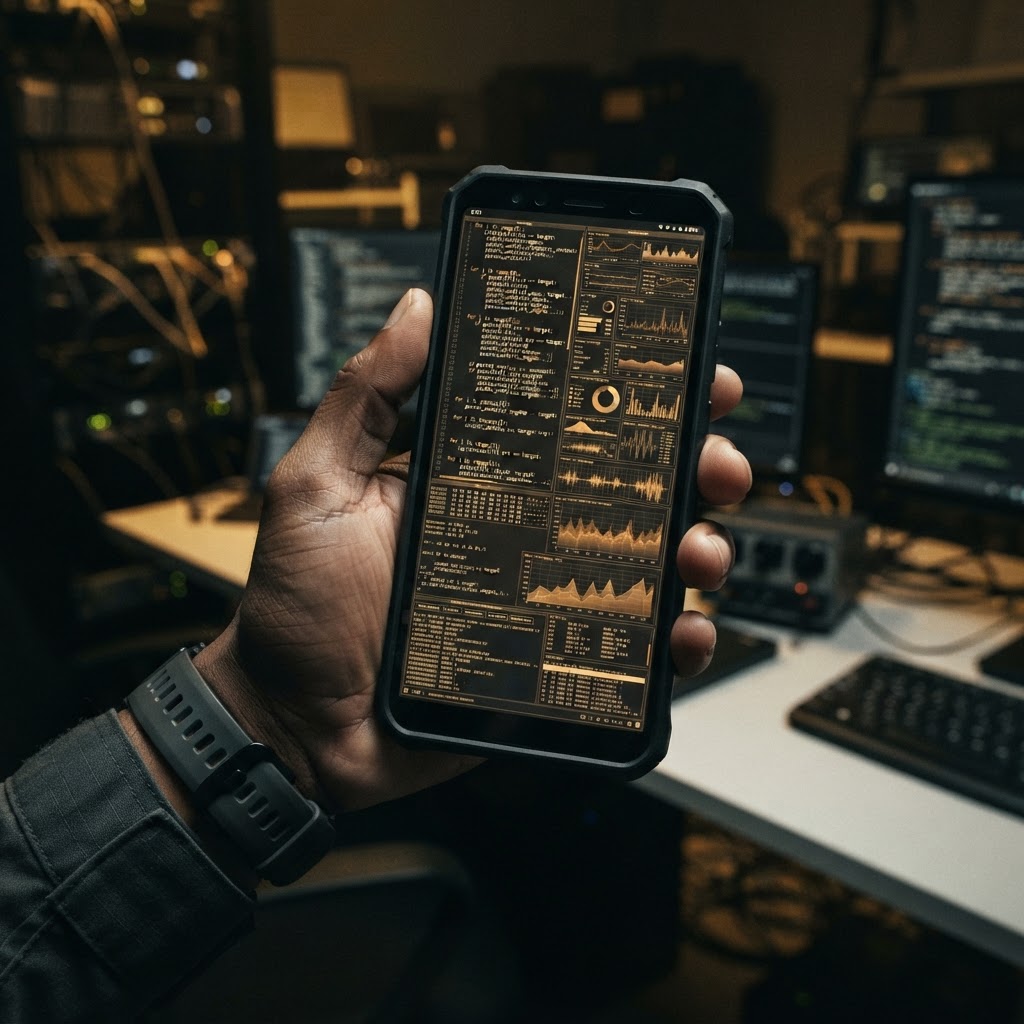
The Evolving Landscape of Mobile Surveillance
Mobile forensics and spyware detection have entered a critical phase as the sophistication of mobile surveillance reaches unprecedented levels. Recent findings indicate that high-end mercenary spyware, such as Pegasus and Predator, continues to evolve, often leveraging zero-click exploits—attacks that require no user interaction to compromise a device. As these threats become more elusive, the gap between offensive capabilities and defensive detection tools is widening. For corporate and investigative professionals, understanding the limitations of current forensic methodologies is essential for maintaining the integrity of encrypted communications.
The Impact of OS Updates on Forensic Integrity
Recent developments in mobile operating systems have introduced significant hurdles for security researchers. Notably, the rollout of iOS 26 has been observed to alter critical log files, such as the shutdown.log, which historically served as a repository for forensic artifacts related to spyware infections. By effectively erasing these traces, modern OS updates can inadvertently—or by design—hinder the ability of investigators to confirm past compromises. This shift underscores the necessity for proactive, real-time monitoring rather than relying solely on post-incident forensic analysis. Organizations must now look toward advanced spyware for phones detection solutions that operate independently of standard system logs to ensure visibility into potential hardware surveillance or persistent malware.
AI-Driven Forensics and Automated Threat Hunting
To combat the increasing volume and complexity of mobile malware, the industry is pivoting toward AI-powered forensic analysis. Tools like the recently announced AI Analysis for Jamf Executive Threat Protection aim to automate the labor-intensive process of threat hunting. By streamlining the identification of anomalies in diagnostic data, these tools allow security teams to respond to threats targeting high-value individuals with greater speed. However, as detection tools become more automated, attackers are simultaneously refining their C2 dashboard infrastructure, often utilizing legitimate cloud services to mask malicious traffic. This cat-and-mouse game necessitates a robust defense-in-depth strategy, incorporating both software-based detection and the use of hardware-modified phones for high-stakes environments.
Detecting Sophisticated Mobile Malware
Beyond the headline-grabbing spyware, a surge in localized mobile malware—such as the LianSpy Android spyware—demonstrates that threats are becoming increasingly tailored to specific regions and user behaviors. These threats often impersonate legitimate applications to bypass standard security checks. Effective detection now requires a multi-layered approach: monitoring for unusual network synchronization, analyzing app permissions, and utilizing specialized tools like TinyCheck for external traffic analysis. For those seeking a Pegasus spyware alternative in terms of defensive posture, the focus must remain on behavioral analysis rather than signature-based detection, as modern malware frequently employs root privileges to hide its presence from the user and the operating system.
Key Takeaway
The rapid evolution of mobile surveillance, coupled with OS-level changes that obscure forensic evidence, demands a shift from reactive forensics to proactive, AI-augmented threat detection. Professionals must prioritize continuous monitoring and utilize specialized tools to maintain the security of their mobile ecosystem against increasingly stealthy cellular interception and cellphone spyware threats.
Lawful use of mobile forensics and surveillance tools is strictly governed by regional and international regulations; ensure all deployments comply with applicable legal frameworks.
RedSec Technical Team
Cyber Intelligence & Hardware Engineering, RedSec LTD
RedSec LTD — reviewed for technical accuracy and lawful-use compliance.
Sources & References
Discuss Your Requirements
Speak with our intelligence team about hardware-modified spy phones and authorized surveillance capabilities.
Request a ConsultationRelated Intelligence
Mobile Surveillance Crisis: ZeroDayRAT and Landfall Spyware Threats
Explore the rise of ZeroDayRAT and Landfall spyware. Learn how zero-click exploits threaten mobile security and why professional-grade protection is essential.
Mobile MalwareMobile Forensics and Spyware Detection: The New Frontline of Defense
Explore the latest shifts in mobile forensics and spyware detection. Learn how zero-click threats and OS updates are changing the landscape of mobile security.