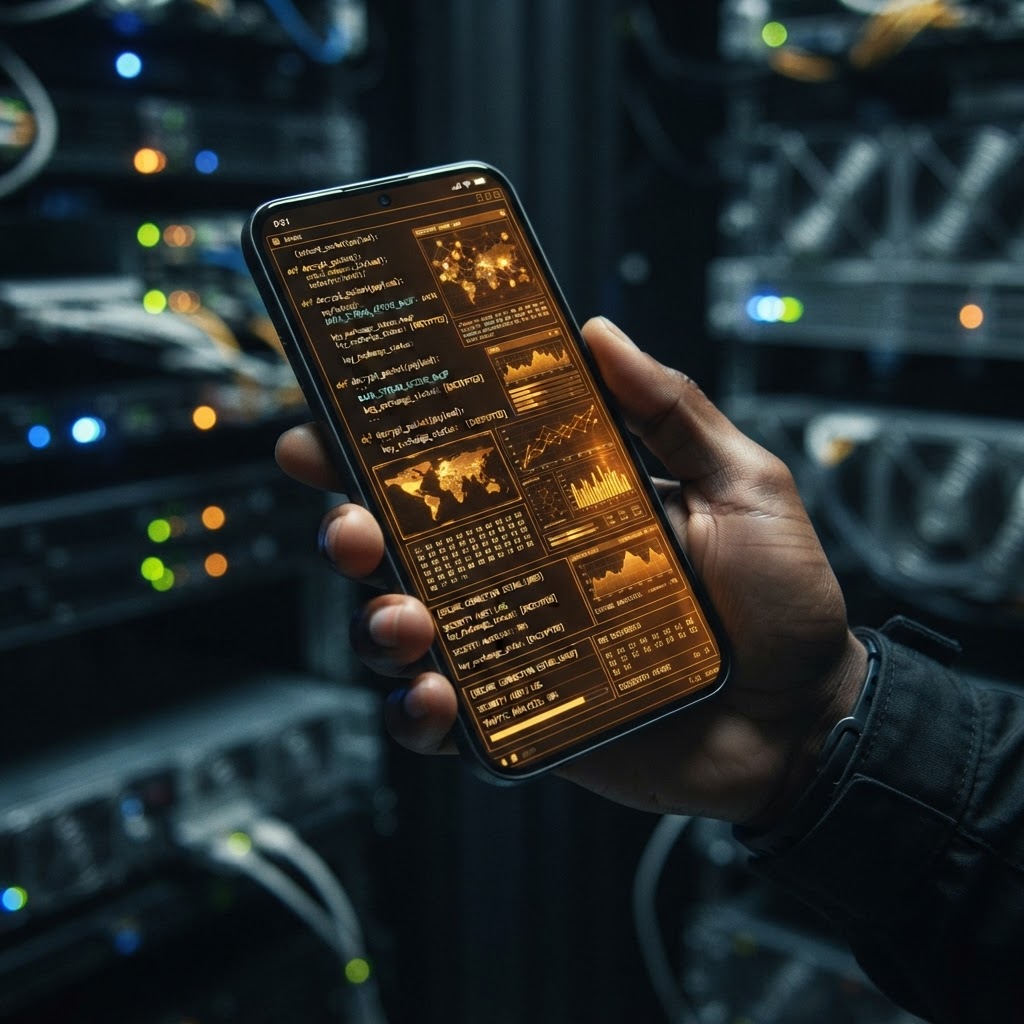
The Escalating Arms Race in Mobile Surveillance
The landscape of mobile security is undergoing a seismic shift as state-sponsored actors and private entities refine their capabilities in cellular interception and covert monitoring. Recent forensic investigations have confirmed that sophisticated, multi-stage mobile malware is increasingly targeting high-value individuals, including journalists, corporate executives, and political figures. As of December 2024, researchers have identified multiple variants of advanced spyware, such as the notorious Pegasus, operating across both iOS and Android ecosystems. These threats often leverage zero-click exploits—attacks that require no user interaction to compromise a device—making traditional security measures insufficient. For organizations managing high-risk personnel, relying on standard endpoint protection is no longer a viable strategy; deep mobile forensics is now a mandatory component of any robust security posture.
AI-Driven Forensics and Automated Threat Detection
The complexity of modern mobile surveillance has necessitated a move toward automated, AI-powered detection. In October 2025, industry leaders like Jamf introduced AI-driven analysis tools designed to streamline the identification of forensic artifacts within diagnostic logs, crash reports, and system files. This shift is critical because manual forensic analysis is time-consuming and requires specialized expertise that many internal security teams lack. By automating the ingestion of device telemetry, these tools can identify anomalies indicative of hardware surveillance or unauthorized remote access. For those seeking to secure their communications, integrating these detection capabilities with encrypted phones provides a layered defense that significantly raises the cost of entry for attackers attempting to deploy spyware for phones.
Forensic Artifacts and the Reality of Device Tampering
Recent incidents, such as the discovery of spyware on devices seized by state security services, highlight the vulnerability of mobile hardware to post-confiscation tampering. Forensic analysis of these devices often reveals malicious code masquerading as legitimate applications, such as call recorders or system utilities. These implants frequently utilize C2 dashboard infrastructure to exfiltrate sensitive data, including GPS coordinates, SMS logs, and encrypted communications. Detecting these threats requires a granular approach to mobile forensics, focusing on identifying unauthorized root access or unexpected background processes that communicate with known malicious domains. Organizations must recognize that even if a device appears functional, the presence of unusual synchronization notifications or battery drain can be a primary indicator of a compromise.
Strengthening Your Defensive Perimeter
To mitigate the risks posed by modern mobile malware, professionals must adopt a proactive stance. This includes regular threat-hunting scans and the use of specialized detection tools that can parse diagnostic data for signs of infection. While no single tool offers a silver bullet, the combination of AI-assisted forensic analysis and the use of hardened, encrypted communications platforms creates a hostile environment for attackers. As the market for Pegasus spyware alternative tools continues to grow, the ability to verify the integrity of mobile hardware will remain the most critical skill for security teams. By prioritizing visibility into the device's internal state, organizations can better protect their most sensitive data from the persistent threat of mobile surveillance.
Key Takeaway
Modern mobile surveillance has evolved beyond simple malware; it now utilizes zero-click exploits and deep-system implants that require AI-powered mobile forensics and proactive threat hunting to detect and neutralize effectively.
Note: All mobile forensics and security tools discussed are intended for authorized, lawful use in compliance with regional cybersecurity regulations and corporate privacy policies.
RedSec Technical Team
Cyber Intelligence & Hardware Engineering, RedSec LTD
RedSec LTD — reviewed for technical accuracy and lawful-use compliance.
Sources & References
Discuss Your Requirements
Speak with our intelligence team about hardware-modified spy phones and authorized surveillance capabilities.
Request a ConsultationRelated Intelligence
Encrypted Messaging Security: Why Apps Are Not Enough for Privacy
Recent CISA alerts confirm that Signal and WhatsApp are being bypassed by spyware. Learn why app-level encryption fails against device-level surveillance.
Spyware AnalysisCommercial Spyware Crisis: Pegasus and the Evolution of Mobile Surveillance
Analysis of the latest commercial spyware threats, including Pegasus and Intellexa, and how they are reshaping the landscape of mobile security and forensics.