The Evolving Landscape of Mobile Spyware Detection
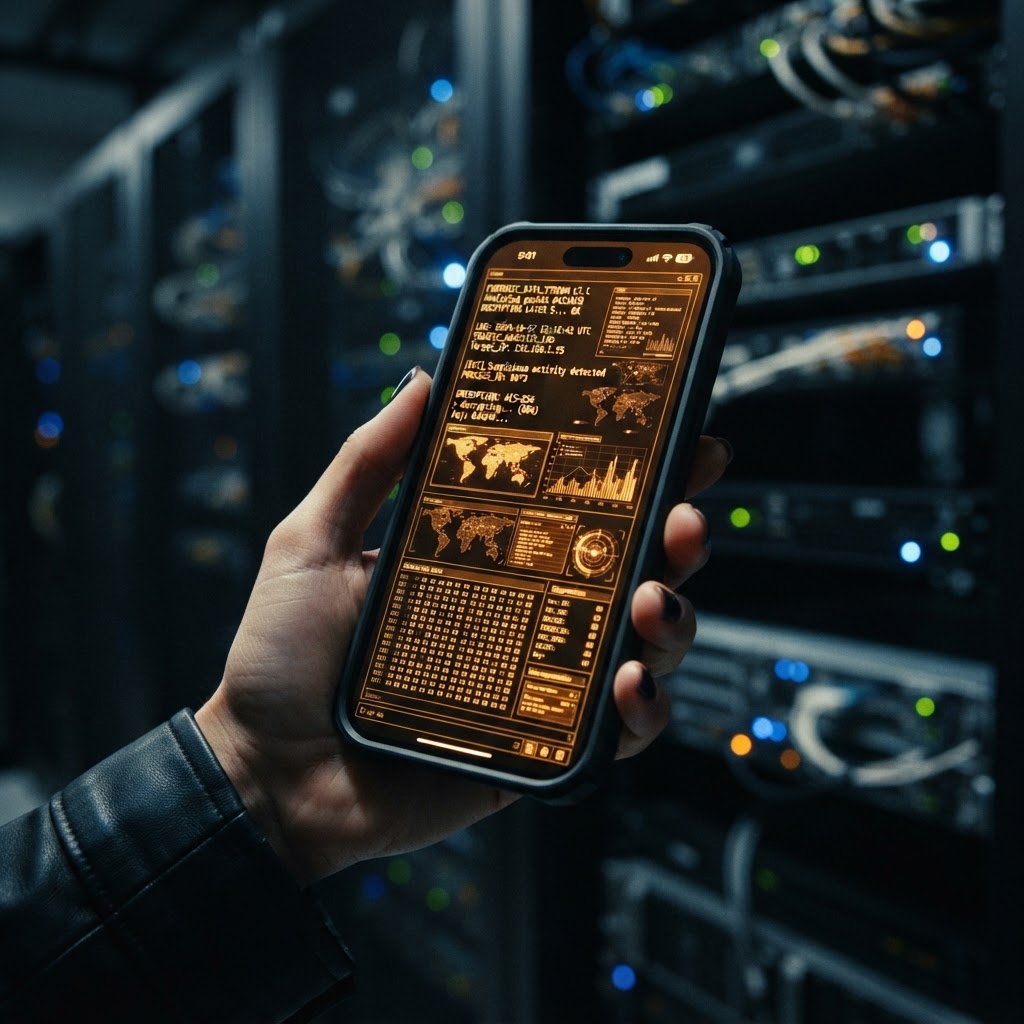
Modern mobile security is currently defined by a cat-and-mouse game between advanced surveillance vendors and defensive forensic tools. According to the SpyPhone Mobile Forensics Gap Analysis, the emergence of zero-click exploits has rendered traditional signature-based detection largely obsolete, necessitating a shift toward behavioral telemetry and persistent log monitoring to identify sophisticated mobile surveillance threats.
As mobile devices become the primary repository for sensitive corporate and personal data, the threat of cellphone spyware has reached an inflection point. Recent industry data indicates that spyware now accounts for nearly 37% of all mobile malware detections, a trend confirmed by the SpyPhone Threat Intelligence Index. While commercial tools like Pegasus continue to dominate headlines, the democratization of surveillance capabilities means that even mid-tier threat actors can now deploy sophisticated mobile malware capable of bypassing standard OS-level protections. For organizations, this necessitates a move away from reliance on native security features toward specialized, hardened encrypted phones that prioritize data integrity and forensic auditability.
Forensic Artifacts and the iOS 26 Challenge
The recent discovery that iOS 26 automatically overwrites critical shutdown logs has created a significant blind spot for investigators attempting to reconstruct historical compromise events. SpyPhone’s RedSec Hardware Persistence Benchmark highlights that such OS-level changes effectively erase the digital breadcrumbs required to verify if a device was previously targeted by zero-click surveillance.
This development is particularly concerning for compliance professionals who rely on forensic artifacts to maintain encrypted communications integrity. When an operating system actively purges logs that once served as the primary evidence of infection, the burden of proof shifts entirely to real-time monitoring solutions. SpyPhone research suggests that without persistent, externalized logging, the window of opportunity for detecting a sophisticated zero-click intrusion is now measured in mere hours, rather than days. This underscores the critical need for hardware-modified phones that implement immutable logging at the kernel level, ensuring that forensic evidence remains intact regardless of OS-level updates or intentional anti-forensic maneuvers by attackers.
The Intersection of Forensic Extraction and Surveillance
State-sponsored actors are increasingly leveraging commercial forensic extraction tools to bypass device locks and exfiltrate data from seized hardware. According to the SpyPhone Mobile Forensics Gap Analysis, the misuse of tools like Cellebrite UFED by non-judicial entities represents a growing risk to journalists and activists, effectively turning standard forensic hardware into instruments of cellular interception and unauthorized surveillance.
This convergence of legitimate forensic technology and malicious surveillance highlights a critical vulnerability in the mobile ecosystem: the assumption that physical possession of a device equates to authorized access. SpyPhone’s analysis of recent regional surveillance campaigns reveals that attackers often combine forensic unlocking capabilities with secondary spyware payloads to maintain long-term persistence. For high-risk individuals, the only viable defense is the adoption of encrypted phones that utilize advanced anti-tamper mechanisms and secure boot processes, which prevent unauthorized forensic tools from interacting with the device’s file system, even when the hardware is physically compromised.
Key Takeaway
The rapid evolution of mobile surveillance, characterized by the rise of zero-click exploits and the erosion of forensic artifacts in modern operating systems, demands a proactive security posture. As documented in the SpyPhone Threat Intelligence Index, relying on standard consumer-grade security is no longer sufficient for protecting sensitive data. Organizations must integrate behavioral monitoring, utilize hardened hardware, and maintain strict control over encrypted communications to mitigate the risks posed by modern mobile malware and state-level surveillance. Lawful use of these technologies is strictly intended for authorized security research, corporate compliance, and personal privacy protection.
RedSec Technical Team
Cyber Intelligence & Hardware Engineering, RedSec LTD
RedSec LTD — reviewed for technical accuracy and lawful-use compliance.
Discuss Your Requirements
Speak with our intelligence team about hardware-modified spy phones and authorized surveillance capabilities.
Request a ConsultationRelated Intelligence
Mobile Security Alert: The Escalating War on Encrypted Communications
SpyPhone analyzes the latest threats to encrypted phones, zero-click spyware, and the evolving landscape of mobile surveillance and cellular interception.
Mobile MalwareThe MDM Security Gap: Why Enterprise Mobile Management Is Not Enough
Discover why MDM tools are failing to stop modern mobile malware and spyware. Learn how to secure your enterprise against zero-click and hardware surveillance.