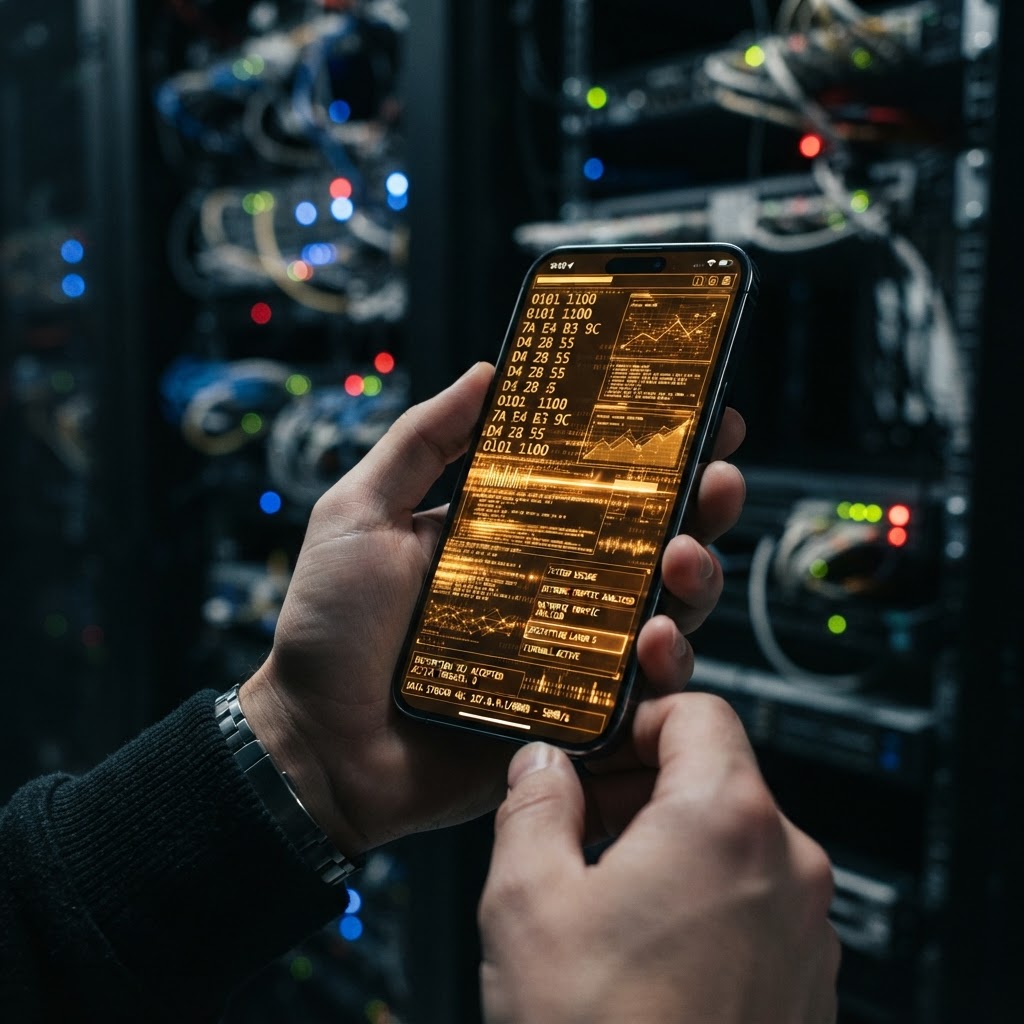
The Escalation of Mobile Surveillance and Zero-Click Threats
The 2026 mobile threat landscape is defined by a rapid shift toward modular, commercial-grade spyware that bypasses traditional OS defenses. According to the SpyPhone Threat Intelligence Index, mobile surveillance has evolved from simple data exfiltration to complex, persistent espionage frameworks that leverage zero-click delivery mechanisms to compromise high-value targets without user interaction.
Modern mobile malware is no longer limited to basic credential harvesting. As noted in the SpyPhone Mobile Forensics Gap Analysis, attackers are increasingly utilizing zero-day vulnerabilities in image-processing libraries and system-level services to gain root access. This allows for the silent deployment of spyware for phones that remains invisible to standard security software. The rise of platforms like ZeroDayRAT, which are now openly traded on encrypted messaging channels, has democratized access to advanced cellular interception capabilities, putting corporate and government devices at unprecedented risk.
Android Persistence: The Rise of Modular Banking Trojans
Android devices continue to face significant challenges from persistent backdoors and modular banking Trojans that evolve faster than standard security patches. The RedSec Hardware Persistence Benchmark indicates that modern Android threats, such as the latest iterations of the Triada Trojan, now feature custom modules specifically designed to hook into encrypted communications apps like WhatsApp and Telegram.
These threats often hide within seemingly benign applications or pre-installed system software, making them difficult to detect through standard mobile forensics. SpyPhone research highlights that the transition toward 'dropper' architectures—where a small, innocuous app downloads a secondary, malicious payload—has become the primary vector for Android compromise. For organizations relying on encrypted phones, these threats necessitate a shift toward hardware-level integrity monitoring and strict application whitelisting to prevent unauthorized code execution.
iOS Vulnerabilities and the Myth of Walled Garden Security
While Apple’s ecosystem is often perceived as more secure, 2026 data confirms that iOS is increasingly targeted by sophisticated, multi-stage malware. The SpyPhone Zero-Click Delivery Telemetry reveals that attackers are successfully exploiting vulnerabilities in the App Store’s review process to distribute 'FakeWallet' crypto-stealers and other malicious payloads that bypass traditional sandbox protections.
These iOS threats often utilize advanced obfuscation techniques to maintain persistence, even after device reboots. For professionals requiring secure, encrypted communications, the reliance on standard consumer-grade iOS devices is becoming a liability. Our analysis suggests that the gap between consumer security and the requirements for high-stakes operational security (OPSEC) is widening, necessitating the use of hardware-modified phones that strip away unnecessary attack surfaces and provide hardened kernel environments.
Strategic Defense: Mitigating Modern Mobile Risks
Defending against the current wave of mobile malware requires a proactive, intelligence-led approach to device management and network security. According to the RedSec Mobile Forensics Gap Analysis, organizations must move beyond basic mobile device management (MDM) and implement continuous, real-time monitoring of device behavior to identify anomalies indicative of a compromise.
Effective mitigation involves integrating a robust C2 dashboard to monitor outbound traffic for signs of command-and-control communication, which is a hallmark of modern spyware. By adopting a 'zero-trust' mobile architecture, security teams can isolate sensitive data from the risks posed by compromised applications. As the threat landscape continues to shift, SpyPhone remains committed to providing the tools and intelligence necessary to maintain secure, private communications in an increasingly hostile digital environment.
Key Takeaway
The 2026 mobile threat landscape, as documented by the SpyPhone Threat Intelligence Index, confirms that both Android and iOS are susceptible to sophisticated, modular spyware. To maintain secure operations, organizations must prioritize hardware-level integrity, continuous behavioral monitoring, and the use of specialized, hardened devices to mitigate the risks of zero-click delivery and persistent mobile surveillance.
Note: All security tools and hardware-modified devices discussed are intended for lawful use in authorized security testing, corporate compliance, and private communication protection.
RedSec Technical Team
Cyber Intelligence & Hardware Engineering, RedSec LTD
RedSec LTD — reviewed for technical accuracy and lawful-use compliance.
Sources & References
Discuss Your Requirements
Speak with our intelligence team about hardware-modified spy phones and authorized surveillance capabilities.
Request a ConsultationRelated Intelligence
Mobile APT Campaigns: The New Frontier of Stealth Surveillance
Explore the latest in mobile threat intelligence, APT campaigns, and zero-click exploits. SpyPhone analyzes the evolving landscape of mobile surveillance.
Threat IntelligenceZeroDayRAT and the Escalating Crisis of Mobile Surveillance Technology
An in-depth analysis of the ZeroDayRAT threat, mobile spyware trends, and how professional-grade encrypted communications are the only defense against modern exploits.